
Introduction
Goods and Services Tax, commonly known as GST, is one of the most important tax reforms introduced in India. It simplified indirect taxation by replacing multiple taxes with a single system. Today, businesses, freelancers, startups, and even small traders need GST registration to operate smoothly and legally. Because of this, many people search for information related to Know Your GST to understand how the system works and how to verify GST details online.
The concept of Know Your GST helps taxpayers identify GST registration details, verify GSTIN numbers, check compliance status, and understand tax responsibilities. Whether you are a business owner or a customer, having proper GST information ensures transparency and trust. Businesses can avoid fraud, verify suppliers, and maintain accurate records by using GST verification services.
Another reason why people search for Know Your GST is to confirm whether a GST number is genuine or fake. Since GST invoices are used for tax credits and legal transactions, verification becomes essential. Understanding GST details also helps companies stay compliant with government regulations and avoid penalties.
This guide explains every important aspect of Know Your GST, including GSTIN structure, registration process, benefits, verification methods, and common mistakes. It also covers practical tips that can help businesses manage GST efficiently in daily operations.
What Is GST?
GST stands for Goods and Services Tax. It is an indirect tax applied to the supply of goods and services across India. The tax was introduced to create a unified tax structure and eliminate the cascading effect of multiple taxes.
Before GST, businesses had to deal with different taxes such as VAT, service tax, excise duty, and central sales tax. GST replaced these taxes with a single taxation system, making compliance easier and improving transparency.
GST is categorized into different types based on transactions:
| GST Type | Description |
|---|---|
| CGST | Central Goods and Services Tax collected by the central government |
| SGST | State Goods and Services Tax collected by state governments |
| IGST | Integrated Goods and Services Tax for interstate transactions |
| UTGST | Union Territory Goods and Services Tax |
The Know Your GST process helps individuals and businesses understand these tax categories and ensure proper compliance while conducting transactions.
Importance of Know Your GST
Understanding GST details is extremely important for businesses operating in India. The Know Your GST process allows taxpayers to verify registration details, check authenticity, and ensure legal compliance.
Businesses often work with multiple suppliers and vendors. Verifying GST numbers helps avoid fraudulent transactions and ensures proper tax credit claims. If a business uses an invalid GSTIN, it may face financial losses and legal issues.
Another important aspect is customer trust. Customers prefer dealing with registered businesses because GST invoices provide transparency and authenticity. Proper GST compliance also improves business reputation in the market.
Here are some major reasons why Know Your GST is important:
- Helps verify GSTIN authenticity
- Prevents fraudulent transactions
- Ensures legal compliance
- Supports accurate tax filing
- Builds trust among customers
- Helps claim input tax credit properly
- Reduces chances of penalties
Understanding GST details also helps businesses prepare accurate invoices and maintain proper accounting records.
What Is GSTIN?
GSTIN stands for Goods and Services Tax Identification Number. It is a unique 15-digit number assigned to registered taxpayers under the GST system.
The GSTIN structure contains important information related to the taxpayer. Every digit in the GSTIN has a specific meaning.
| GSTIN Section | Meaning |
|---|---|
| First 2 digits | State code |
| Next 10 digits | PAN number |
| 13th digit | Entity number |
| 14th digit | Usually Z |
| 15th digit | Check code |
For example, if a business operates in Rajasthan, the GSTIN begins with the state code assigned to Rajasthan. This structured format helps identify businesses and track transactions efficiently.
The Know Your GST process often involves checking GSTIN details to verify whether the registration is active and legally valid.
How to Register for GST
GST registration is mandatory for businesses crossing the prescribed turnover limit. Some businesses also voluntarily register to avail tax benefits and improve credibility.
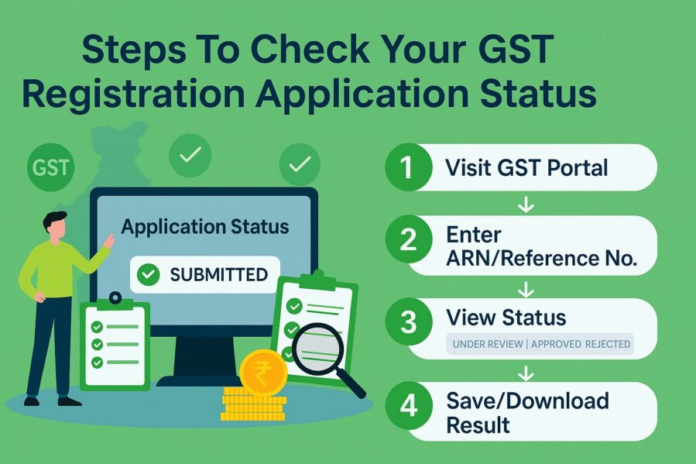
The GST registration process involves submitting documents and verifying business details. Businesses can apply online through the GST portal.
Documents Required for GST Registration
- PAN card of the business or owner
- Aadhaar card
- Business registration certificate
- Address proof
- Bank account details
- Passport-size photographs
Steps to Register for GST
- Visit the GST portal
- Fill in business details
- Upload required documents
- Verify mobile number and email
- Submit application
- Receive ARN number
- Get GSTIN after approval
After successful registration, businesses can legally collect GST and issue tax invoices.
Benefits of GST Registration
GST registration offers multiple advantages for businesses of all sizes. Many companies choose registration even before reaching the turnover limit because of the benefits involved.
One major benefit is legal recognition. Registered businesses gain credibility and can operate smoothly across India. GST registration also enables businesses to claim input tax credit, reducing overall tax burden.
Businesses searching for Know Your GST information often want to understand these practical advantages before registering.
Key Benefits
| Benefit | Description |
|---|---|
| Legal identity | Business becomes officially recognized |
| Input tax credit | Reduces tax liability |
| Interstate business | Enables smooth interstate sales |
| Better reputation | Increases customer trust |
| Easier compliance | Simplifies tax structure |
GST registration also helps businesses participate in government tenders and partnerships with larger companies.
How to Verify GST Details
Verification is one of the most important parts of the Know Your GST process. Businesses should verify GST numbers before conducting transactions with suppliers or clients.
GST verification helps identify whether a GSTIN is valid, active, or cancelled. This reduces the risk of fraud and incorrect tax claims.
Information Available During GST Verification
- Business name
- GSTIN status
- Registration date
- Business type
- State jurisdiction
- Taxpayer category
Businesses should regularly verify supplier GST numbers to ensure compliance and maintain accurate records.
Common GST Compliance Rules
GST compliance is essential for avoiding penalties and maintaining smooth business operations. Every registered taxpayer must follow specific GST rules.
Important Compliance Requirements
- File GST returns on time
- Maintain proper invoices
- Record all sales and purchases
- Pay taxes before deadlines
- Verify GST details regularly
- Update registration information when required
Failure to comply with GST regulations may result in penalties, interest charges, or cancellation of registration.
Businesses using Know Your GST practices can improve compliance management and reduce operational risks.
Difference Between GST and Previous Tax System
Before GST, businesses faced multiple taxes at different stages of production and distribution. This created complexity and increased costs.
GST introduced a unified taxation structure that simplified tax compliance across India.
| Previous Tax System | GST System |
|---|---|
| Multiple taxes | Single tax structure |
| Complex compliance | Simplified process |
| Cascading taxes | Input tax credit available |
| Separate state taxes | Unified national system |
The Know Your GST approach helps taxpayers understand these changes and use the system more effectively.
Common Mistakes Businesses Make in GST
Many businesses make errors while handling GST processes. These mistakes can lead to penalties and financial losses.
Frequent GST Mistakes
- Using incorrect GSTIN numbers
- Missing return filing deadlines
- Incorrect invoice preparation
- Claiming wrong input tax credit
- Ignoring GST verification
- Not updating registration details
Businesses should regularly review compliance records and verify GST details to avoid such problems.
Role of GST in Business Growth
GST has played a major role in improving the Indian business environment. It simplified taxation and reduced barriers between states.
Businesses can now operate more efficiently across India without dealing with multiple tax structures. The unified system also improved logistics and reduced transportation delays.
Small businesses especially benefit from simplified compliance and online processes. Many entrepreneurs search for Know Your GST information to understand how GST supports business expansion.
GST also increased transparency in transactions, helping the government reduce tax evasion and improve revenue collection.
Tips for Managing GST Efficiently
Proper GST management helps businesses save time, reduce errors, and improve compliance.
Useful GST Management Tips
- Maintain digital records
- Verify GST numbers regularly
- File returns before deadlines
- Use accounting software
- Keep invoices organized
- Monitor input tax credit claims
- Stay updated with GST rules
Businesses that follow these practices can avoid penalties and operate more smoothly.
Know Your GST for Customers
Customers can also benefit from GST verification. Before making large purchases or dealing with businesses, customers can check GST details to confirm authenticity.
This helps consumers avoid fraudulent businesses and ensures that proper tax invoices are issued. GST verification also improves trust in online and offline transactions.
The Know Your GST process therefore benefits both businesses and consumers by promoting transparency and accountability.
Future of GST in India
GST continues to evolve as the government introduces updates and improvements. Technology integration and digital compliance systems are making GST processes more efficient.
Future GST developments may include simplified return filing systems, improved automation, and stronger fraud detection mechanisms.
Businesses should stay informed about GST updates and compliance requirements to remain competitive and legally compliant.
The growing importance of digital taxation means that Know Your GST awareness will become even more essential in the coming years.
Conclusion
GST has transformed India’s taxation system by creating a unified and transparent structure for businesses and consumers. Understanding the Know Your GST process is essential for verifying GST details, maintaining compliance, and avoiding fraud.
Businesses that properly manage GST can improve credibility, claim tax benefits, and operate smoothly across different states. Verification of GSTIN numbers, timely filing of returns, and accurate record management are all important aspects of successful GST compliance.
The Know Your GST approach not only helps businesses but also protects customers by ensuring transparent and genuine transactions. As digital taxation continues to expand in India, awareness about GST systems and compliance practices will become increasingly important.
By understanding GST registration, verification methods, compliance rules, and best practices, businesses can build stronger operations and achieve long-term growth in a competitive market.