
Introduction
India has millions of homes, offices, businesses, villages, and other locations spread across a large and diverse geographical area. Traditional addresses are useful, but they can sometimes be difficult to describe precisely, especially in places where streets, buildings, landmarks, or house numbers are not clearly defined. Digital technology is creating new ways to identify locations more accurately, and DigiPIN is an important concept in this development. People searching for know your digipin are generally interested in understanding how a digital location identifier can make addressing simpler and more precise.
A digital address system can support services that depend on accurate location information. Delivery companies, emergency services, government agencies, financial institutions, businesses, and individuals can potentially benefit from standardized location identification. Rather than relying only on lengthy descriptions, a digital identifier can represent a specific geographical area. Understanding the purpose, structure, potential applications, and responsible use of DigiPIN can help people become more familiar with India’s evolving digital addressing ecosystem.
What Is DigiPIN?
DigiPIN is a digital addressing concept designed to provide a standardized way of identifying locations. It is intended to complement conventional addresses by associating geographical locations with a digital identifier.
Traditional addresses can contain several components, such as a person’s name, house number, street, locality, city, district, state, and postal code. Although this information can be useful, differences in formatting and incomplete descriptions can sometimes make a location difficult to identify.
A digital addressing system aims to reduce such ambiguity. By connecting a location with a standardized digital representation, it can make location information easier to process in digital systems. This is why understanding know your digipin can be useful for people interested in digital public infrastructure and modern location services.
Why Digital Addressing Matters
Addresses are essential for many everyday activities. People use them to receive packages, access public services, register accounts, communicate with organizations, and provide directions.
However, conventional addresses are not always equally precise. Rural areas may have fewer formal street names, while rapidly developing urban neighborhoods can experience changes in buildings and local landmarks.
Digital addressing can provide another layer of precision. A standardized digital identifier can help systems recognize a location consistently, potentially reducing confusion caused by variations in written addresses.
This does not mean traditional addresses become unnecessary. Instead, digital identifiers can work alongside existing addressing systems to improve the way locations are represented and processed.
How DigiPIN Relates to Geography
A digital address system is fundamentally connected to geography. Instead of depending entirely on descriptive words, it can represent a location based on its geographical position.
This approach allows digital systems to work with location information in a structured manner. A particular area can be associated with an identifier that can be interpreted within the relevant addressing framework.
The geographical basis is especially useful when a location is difficult to describe using conventional address information. In such situations, a digital identifier can provide an additional reference point.
For users trying to know your digipin, understanding this geographical relationship is important because it explains why DigiPIN is different from an ordinary house number or postal code.
DigiPIN and Traditional Addresses
Traditional addresses and digital identifiers serve related but different purposes. A conventional address is usually designed for people to read and understand. It can describe a location using names, numbers, landmarks, and administrative areas.
A digital identifier is designed to make location information easier for digital systems to process. It can provide a standardized reference that complements written address information.
For example, a person may provide their regular postal address when communicating with another person while a digital addressing system may provide an additional structured location reference for a digital service.
This combination can potentially improve convenience without requiring people to abandon familiar addressing methods.
How People Can Find Their DigiPIN
The process for finding a digital location identifier depends on the official system and tools available for the relevant service. Users should rely on the recognized digital addressing interface or application associated with the system rather than unofficial websites or unknown services.
Typically, a user may need to provide or permit access to location information so that the system can associate the relevant geographical position with its digital identifier.
Accuracy matters during this process. Users should ensure that location permissions, device settings, and map positioning are functioning correctly when required.
People interested in know your digipin should also remember that a digital identifier is connected to a location, so they should understand what location the system is representing before sharing the resulting information.
Why Location Accuracy Is Important
Location accuracy can influence how useful a digital address becomes. If a device is showing an incorrect position, the resulting location information may not correspond to the intended property or place.
GPS performance can vary depending on buildings, environmental conditions, device settings, and other factors. Users should therefore check the displayed location carefully when accuracy is important.
For important services, people should compare digital location information with their known physical address and confirm that the correct place is being represented.
Accurate information is particularly important for deliveries, emergency assistance, business operations, and official services where even a small location error can create practical difficulties.
Uses of Digital Addressing
Digital addresses can have applications across many areas. Delivery and logistics companies can potentially use structured location information to improve routing and identify destinations.
Businesses can use accurate location references when serving customers or managing field operations. Public agencies can potentially use digital addressing to improve service delivery and location-based planning.
Individuals can also benefit when sharing a location with organizations that need a precise reference. In the future, digital addressing could become increasingly integrated into applications that depend on reliable geographical information.
The broader value of know your digipin lies in understanding how such systems can connect physical locations with digital services.
Benefits for Delivery Services
Delivery operations depend heavily on accurate destination information. A conventional address may sometimes be difficult for a delivery person to interpret, particularly in areas with similar street names, incomplete addressing, or recently developed neighborhoods.
A standardized digital identifier can potentially provide an additional location reference. This could help logistics systems connect a shipment with a more precise geographical destination.
Digital addressing may also support route planning and reduce uncertainty when multiple properties share similar descriptive addresses.
However, practical results depend on how widely the system is adopted and integrated across delivery networks.
Potential Benefits for Rural Areas
Digital addressing may be particularly useful in locations where conventional addressing systems are less detailed. Villages and remote communities can contain homes and establishments that are difficult to identify using standard street-based descriptions.
A geographical digital identifier can provide another way to represent such locations. This could potentially support access to delivery services, financial services, government programs, and other location-dependent activities.
The goal is not necessarily to replace local knowledge or traditional addresses. Instead, digital addressing can provide a standardized digital layer that complements existing systems.
Applications for Businesses
Businesses increasingly rely on accurate location information. Retailers, service providers, logistics companies, financial institutions, and field-service organizations may all need reliable addresses.
A digital addressing system can help organizations manage location information more consistently. This may support customer onboarding, delivery planning, service appointments, and geographical analysis.
For small businesses, a digital location reference could also make it easier to communicate their physical presence to customers and service providers.
As digital infrastructure develops, structured location information may become increasingly relevant to business operations.
DigiPIN and Government Services
Government services often require accurate information about where people live, work, or receive services. Digital addressing can potentially support administrative processes by providing standardized location references.
It may assist with planning, service delivery, infrastructure development, and location-based programs. A consistent digital address can also help connect physical locations with digital records when appropriate systems are available.
However, government applications require strong privacy, security, and accuracy standards. Location information should be handled responsibly, particularly when connected with personal records.
Privacy and Responsible Sharing
A digital location identifier can be useful, but users should still think carefully about privacy. A precise location can reveal information about where a person lives, works, or regularly spends time.
People should avoid sharing location information publicly unless there is a clear reason to do so. When providing a digital address to an organization, users should understand why it is being requested and how it may be used.
Security is especially important when location information is connected with identity, financial accounts, or official records.
Understanding know your digipin should therefore include not only learning how to find a digital address but also learning how to use it responsibly.
DigiPIN Is Not the Same as a PIN Code
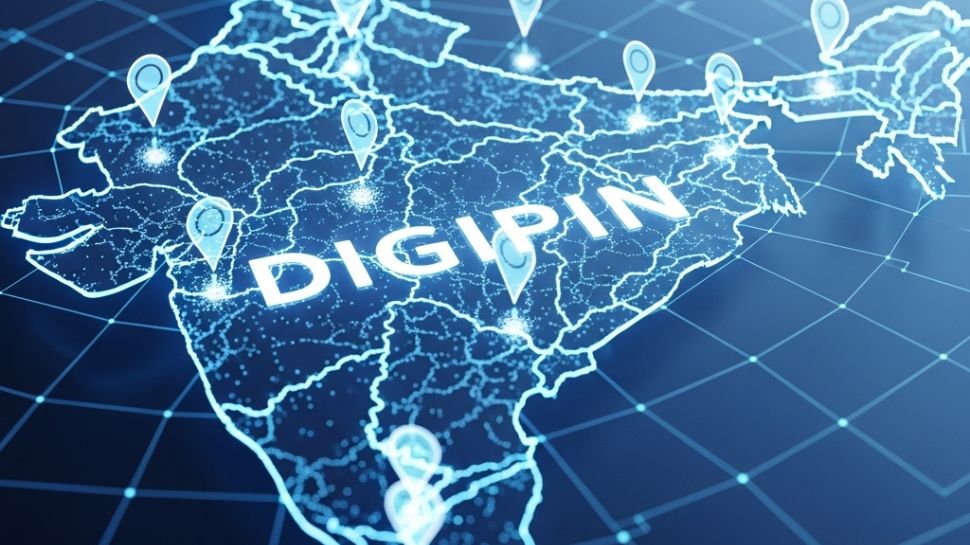)
One common source of confusion is the difference between a digital address identifier and a traditional postal PIN code. A PIN code is used by the postal system to identify a particular geographical postal area.
A digital addressing identifier can provide a more granular geographical reference. The two systems can therefore serve complementary purposes.
A PIN code may cover a broad area containing many addresses, while a digital addressing system can potentially provide a more precise representation of a particular location.
Recognizing this distinction makes it easier to understand why digital addressing can add value to existing postal infrastructure.
Digital Addressing and the Future
As India continues expanding its digital infrastructure, location information is likely to become increasingly important. Applications ranging from logistics to public services depend on the ability to identify places accurately.
Digital addressing can provide a foundation for connecting physical locations with digital platforms. Its usefulness will depend on adoption, interoperability, privacy protections, technical accuracy, and integration with existing systems.
Future services may make digital location identifiers increasingly familiar to ordinary users. What currently seems like a specialized concept could eventually become a routine part of digital transactions and location-based services.
Tips for Using a Digital Address
Users can follow a few simple practices when working with digital location information:
- Verify that the displayed location is correct before sharing it.
- Use recognized and trustworthy digital addressing services.
- Keep sensitive location information private when possible.
- Check whether an organization genuinely needs the information before providing it.
- Continue keeping your conventional address information updated where required.
These habits can make digital addressing safer and more useful.
Common Questions About DigiPIN
People exploring know your digipin may wonder whether digital addressing replaces their existing home address. In most situations, a digital identifier should be viewed as an additional location reference rather than a simple replacement for every traditional addressing requirement.
Another common question concerns accuracy. Digital systems can provide structured geographical information, but users should still verify that the represented location is correct.
People may also wonder where DigiPIN can be used. Its practical applications depend on adoption by relevant organizations, platforms, and services. As digital addressing infrastructure develops, the number of potential applications may expand.
Conclusion
Digital addressing represents an important development in the way physical locations can be represented within digital systems. For anyone interested in know your digipin, the key idea is that a digital identifier can complement traditional addresses by providing a standardized geographical reference.
DigiPIN has potential applications in delivery, logistics, business operations, government services, rural addressing, and other location-dependent activities. At the same time, accuracy and privacy should remain important considerations. Users should verify their location information and share it responsibly.
As India’s digital infrastructure continues to evolve, structured location systems may become increasingly useful in everyday life. Understanding how digital addressing works today can help individuals and organizations prepare for a future where physical addresses and digital identifiers work together more closely.