
Introduction
Choosing the right ring can make a beautiful piece of jewellery much more comfortable to wear. However, finding the correct size can sometimes be confusing, especially when shopping online or purchasing a ring as a gift. A ring that is too tight may feel uncomfortable and difficult to remove, while one that is too loose may move around or slip from the finger. The good news is that you do not always need professional equipment to get a useful measurement. With a thin strip of paper, a non-stretchy string, a pen, and a ruler, you can estimate your size at home. You can also measure the inside diameter of a ring that already fits you well. Learning how to know your ring size can help you shop with greater confidence and reduce the chances of ordering an unsuitable size.
Why Knowing Your Ring Size Matters
Ring size affects both comfort and appearance. A correctly sized ring should sit securely on the finger without causing excessive pressure. It should also be able to pass over the knuckle with reasonable ease. If a ring is too large, it may rotate continuously, feel unstable, or even fall off during everyday activities. If it is too small, it can leave uncomfortable marks and become difficult to remove when your fingers swell naturally. This is why guessing your size based only on appearance is not recommended. Different fingers have different dimensions, and the same finger can also vary slightly between your left and right hands. Accurate measurement is particularly important when buying rings online because you cannot try the product on before purchasing.
What You Need to Measure Your Ring Size
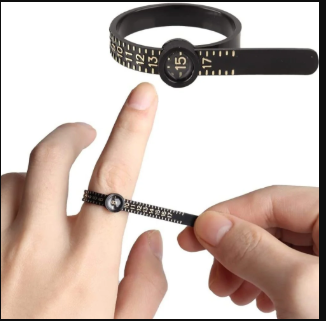
One advantage of learning how to know your ring size at home is that the process requires very few items. A narrow strip of paper is often one of the easiest tools because it does not stretch and can be marked accurately. You can also use a piece of non-stretchy thread or string, although paper may be easier to measure. You will need a pen or pencil to mark the point where the paper meets itself and a ruler with millimetre measurements. If you already own a ring that fits the intended finger comfortably, you can use that ring as another reference. A professional ring sizer is another option if you want additional confidence. Whichever method you use, careful measuring is more important than having expensive equipment.
Method One: Measure Your Finger With Paper
The paper-strip method is one of the simplest ways to find your approximate ring size. Begin by cutting a narrow strip of paper that is long enough to wrap comfortably around the base of your finger. Place it around the finger where the ring will sit. The paper should be snug against the skin but should not be pulled so tightly that it presses into your finger. At the same time, it should not be so loose that there is a visible gap between your skin and the paper. Mark the exact point where one end of the paper meets the other. Remove the paper and lay it flat against a ruler. Measure from the starting edge to the marked point in millimetres. This measurement represents your approximate finger circumference, which can then be compared with the sizing chart provided by the jewellery seller.
Method Two: Use a Ring That Already Fits
If you have a ring that already fits the finger you want to measure, it can provide a useful reference. This method is particularly convenient because you are measuring an actual ring rather than estimating the circumference of your finger. Place the ring on a flat surface and use a ruler to measure the inside diameter. Measure straight across the centre of the opening from one inner edge to the opposite inner edge. Make sure you measure only the inside opening and do not include the thickness of the metal. Once you have the measurement in millimetres, compare it with the appropriate ring-size chart. The existing ring should fit the same finger on the same hand because finger sizes can differ. Using a ring from another finger may produce an incorrect result. This is one of the most practical methods for understanding how to know your ring size when you already have a well-fitting ring.
Method Three: Use String Carefully
String can also be used when paper is not available. Choose a thin piece of non-stretchy string and wrap it around the base of the finger. Keep it comfortably snug rather than pulling it tightly. Mark the location where the end of the string meets the remaining length. Then remove the string, place it straight beside a millimetre ruler, and measure the distance between the starting point and the mark. Avoid elastic, stretchy thread, or materials that can expand because they may produce a measurement that is smaller than your actual finger circumference. It is also a good idea to repeat the process two or three times. If the measurements are slightly different, take additional readings and look for the result that is most consistent. Repeating the process helps reduce mistakes caused by positioning or marking.
Measure the Correct Finger
One of the easiest mistakes to make when measuring a ring size is measuring the wrong finger. Each finger can have a different circumference, and the corresponding finger on the opposite hand may not be exactly the same size. Before beginning, decide where the new ring will be worn. Measure that specific finger rather than using a general measurement from another finger. The position of the measurement also matters. The paper or string should be placed around the area where the ring will normally sit. If you have a prominent knuckle, make sure the final ring will be able to pass over it comfortably. A measurement that fits the base of your finger but cannot pass the knuckle will not be useful for everyday wear.
Choose the Right Time to Measure
Finger size can change slightly throughout the day because of temperature, activity, and natural swelling. For this reason, taking one measurement at a random time may not always provide the best result. Your hands should be at a comfortable, normal temperature when measuring. Avoid measuring immediately after exposure to very cold or very hot conditions. It can also be helpful to measure more than once during the day and compare the results. Current ring-sizing guidance commonly recommends repeating measurements rather than relying on a single reading. If you notice a small difference between measurements, consider the fit you want and check the jewellery seller’s sizing recommendations before selecting a final size.
Understanding Ring Size Charts
After measuring your finger circumference or the inside diameter of an existing ring, you need to convert that measurement into the sizing system used by the seller. This is important because ring sizes are not represented identically in every country. Indian sizing, for example, commonly uses a numerical system, while US sizing uses a different numerical scale. UK sizing may use letters. Some international sellers also provide measurements in millimetres or European sizing. Never assume that a number from one system is automatically the same in another. Always compare your measurement with the chart supplied by the jewellery brand or retailer. If you are buying from an Indian jewellery seller, use the Indian size chart rather than converting from a US or UK size without checking the seller’s specifications.
What to Do If You Are Between Two Sizes
Sometimes your measurement may fall between two available ring sizes. This can happen because fingers do not always correspond perfectly to standard sizing measurements. In such cases, the appropriate choice can depend on the ring design, band width, finger shape, and the sizing policy of the seller. A slightly larger size may provide greater comfort if the smaller option feels restrictive, but an excessively loose ring can move around. Wide bands can also feel different from narrow bands because they cover more of the finger. If you are uncertain, compare your measurement again and review the seller’s recommendations. For an expensive ring, a professional jeweller can provide additional confirmation before you place an order.
Common Mistakes to Avoid
Several simple mistakes can affect your measurement. Measuring with a stretchy material can produce an inaccurate result because the material may tighten around the finger. Measuring the outside diameter of an existing ring instead of the inside diameter can also lead to the wrong size. Another common mistake is measuring a ring that belongs to a different finger. People may also pull the paper or string too tightly, creating a smaller circumference than their actual finger size. Printing a ring-size template without checking its scale can create another problem because printers may automatically resize documents. If you use a printable sizing guide, verify its scale according to the instructions. Taking two or three measurements and comparing them can help identify obvious inconsistencies.
How to Know Your Ring Size for an Online Purchase
Online jewellery shopping makes accurate sizing particularly important because you cannot test the ring before ordering. Start by measuring the exact finger where you plan to wear the ring. Record the circumference in millimetres and, if possible, measure an existing ring that fits the same finger. Compare both results with the retailer’s size chart. Do not rely solely on a generic chart found elsewhere because individual brands may present sizing information differently. Before ordering, check whether the ring is narrow, wide, adjustable, or unusually shaped, as these features can influence how the ring feels. Understanding how to know your ring size before opening the size selection menu can make the purchasing process much easier and help you select a more suitable option.
How to Measure Ring Size for a Surprise Gift
Finding someone’s ring size can be more challenging when the purchase is intended to be a surprise. One option is to discreetly borrow a ring that the person already wears on the same finger. Measure its inside diameter carefully and return it without drawing attention to the process. However, make sure the ring you borrow is actually worn on the intended finger. A ring worn on the index finger, for example, may be significantly different in size from one worn on the ring finger. You can also ask a friend or family member who may already know the person’s size. If neither option is possible, choosing a ring with an adjustable design may reduce sizing concerns. For valuable jewellery, professional assistance may be worthwhile.
Why a Comfortable Fit Is Better Than a Tight Fit
The goal of ring sizing is not simply to find a number. The goal is to achieve a comfortable and secure fit. A ring should remain on your finger during normal movement but should not cause pain, excessive pressure, or deep marks. It should have enough room to move over the knuckle when necessary while remaining secure at the base of the finger. Remember that your finger may change slightly throughout the day, so a ring that feels perfect for a few minutes may feel different later. If the ring is difficult to remove during normal conditions, it may be too tight. If it spins constantly or slips easily, it may be too loose. Comfort should therefore be considered alongside the numerical measurement.
When to Get Professional Ring Sizing
Home measurement is convenient, but there are situations where professional sizing is a better choice. If you are purchasing an expensive engagement ring, wedding band, heirloom piece, or a ring with a complicated design, consider having your finger measured by a jeweller. Professional ring gauges can provide a more direct way to compare different sizes. A jeweller can also consider your knuckle shape and the style of the ring when recommending a size. This is especially helpful if your home measurements produce different results. If you are still unsure about how to know your ring size, professional measurement can give you greater confidence before making an important purchase.
A Simple Ring Size Checklist
Before ordering a ring, review your measurement one more time. Confirm that you measured the correct finger and used a non-stretchy material if measuring circumference. Make sure the paper or string was comfortably snug rather than extremely tight. Check the measurement in millimetres and repeat it at least once. If you used an existing ring, confirm that it fits the same finger and that you measured the inside diameter rather than the outside. Finally, compare your result with the exact sizing chart used by the seller. These small checks can prevent many common sizing mistakes. Keeping a written record of the finger, measurement, and selected sizing system can also be useful when buying multiple rings in the future.
Conclusion
Learning how to know your ring size does not have to be complicated. A paper strip, non-stretchy string, ruler, or a well-fitting existing ring can provide a useful starting point for determining the correct size. The most important steps are measuring the correct finger, using the right technique, repeating the measurement, and checking the result against the seller’s specific sizing chart. Finger size can vary with temperature and throughout the day, so careful measurement is better than simply guessing. If the ring is valuable, unusually wide, or difficult to resize, professional sizing can provide extra confidence. With a little patience and attention to detail, you can find a comfortable ring size and make your next jewellery purchase much easier.