
Introduction
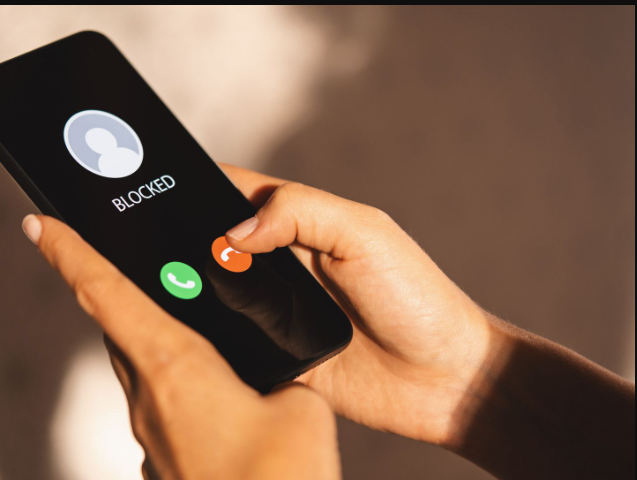
Being unable to reach someone by phone can be confusing, especially when calls suddenly stop connecting or messages no longer seem to receive a response. Many different technical and personal reasons can cause communication problems, so it is not always easy to determine what is happening. This leads many people to search for how do you know if someone blocked your number. While there are some signs that may suggest a number has been blocked, there is generally no single sign that can prove it with complete certainty. Call settings, network problems, a switched-off phone, Do Not Disturb or Focus modes, poor reception, and changes in messaging services can create similar results. The best approach is to look for several signs together rather than assuming that one unusual call or message automatically means you have been blocked.
What Happens When Someone Blocks Your Number?
When a person blocks your number, their phone or communication service is configured to prevent normal calls or messages from reaching them in the usual way. The exact behavior depends on the phone, operating system, carrier, and communication app being used. For example, blocking on an iPhone can prevent calls and messages from being delivered to the recipient, while the sender does not receive a notification specifically saying they have been blocked.
On Android devices, blocking can also cause calls from a particular number to be automatically declined. Google explains that blocked numbers can be managed through the Phone app, although the exact experience can differ depending on the device and software version. Because blocking behavior is not identical across every device, you should avoid relying on one particular call pattern as absolute proof.
Does the Call Go Straight to Voicemail?
One of the most commonly discussed signs when people ask how do you know if someone blocked your number is a call that goes directly to voicemail or appears to end very quickly. If your calls repeatedly fail to ring normally while calls to other people work as expected, you might wonder whether your number has been blocked.
However, going directly to voicemail does not necessarily mean that you have been blocked. A person’s phone could be switched off, out of network coverage, in Airplane Mode, experiencing a technical problem, or using a Focus or call-filtering feature. Apple specifically notes that calls can fail to ring because of settings such as Focus, unknown-caller screening, or other phone configurations.
Therefore, voicemail behavior should be considered only one possible clue. Repeated patterns over time may be more informative than a single unsuccessful call.
What Happens to Your Text Messages?
Text messages can provide another clue, but they are not always definitive. On some platforms, you may notice that messages no longer show the same delivery information you previously saw. However, the meaning of delivery indicators depends on the messaging service being used.
For example, Apple’s support information explains that when someone blocks a phone number or contact, messages from that person are not delivered to the recipient, and the sender is not informed that their messages have been blocked. This means you should not expect to receive a clear notification saying that you have been blocked.
On Android, messaging behavior can vary depending on whether you are using SMS, MMS, RCS or another messaging application. Google also recommends checking messaging settings and whether a contact has been blocked when messages are not being received.
Can You Tell From the Delivery Status?
Delivery status can sometimes provide useful information, particularly when you know how the messaging system normally behaves. If messages that previously showed delivery or read information suddenly stop doing so, you may wonder whether the recipient has blocked you.
However, delivery indicators can disappear for many reasons. The recipient might have disabled read receipts, lost internet access, changed messaging applications, switched devices, or experienced a temporary service problem. RCS features in particular depend on compatible settings and connectivity.
For this reason, delivery status alone should not be treated as proof. When researching how do you know if someone blocked your number, it is better to consider delivery behavior together with calling patterns and other circumstances. A missing delivery indicator is a clue at most, not a definite answer.
Does a Blocked Number Receive Voicemail?
Voicemail behavior depends heavily on the phone and service being used. Some blocking systems prevent the caller from leaving a normal voicemail, while others may handle blocked calls differently. On Google Phone, for example, Google states that when visual voicemail is enabled, blocked callers cannot leave voicemails.
This demonstrates why there is no universal voicemail rule for blocked numbers. One person’s phone may behave differently from another person’s phone because of carrier settings, operating system features, voicemail configuration, or third-party applications.
If your call repeatedly goes to voicemail, do not immediately conclude that you have been blocked. Instead, consider whether the person’s phone is unavailable or whether they may have changed their call settings.
Could Their Phone Simply Be Turned Off?
Yes. A phone that is switched off can produce communication behavior that looks similar to blocking. If the device has no battery, is turned off, is in Airplane Mode, or is outside network coverage, calls may not connect normally.
Network interruptions can also affect text messages and calling. Someone may temporarily lose service because they are traveling, underground, inside a building with weak reception, or experiencing an outage from their mobile provider.
This is why timing matters. If you tried calling once while the person was unavailable, there is not enough evidence to conclude that you were blocked. If the same behavior continues for a long period while other communication methods also stop working, you may have more reason to think about whether the person intentionally limited contact.
Could Do Not Disturb Be the Reason?
Another reason you may not get through is a Do Not Disturb or Focus setting. Modern smartphones provide several features that can silence calls and notifications without blocking the caller.
Apple explains that Focus settings such as Do Not Disturb, Sleep and Work can affect whether incoming calls ring normally. It also provides settings for screening or filtering calls from unknown numbers.
Therefore, if someone does not answer your calls, it does not automatically mean that they have blocked you. They may simply have notifications silenced or be using a setting that limits interruptions. This is especially important when you are trying to interpret one isolated calling incident.
Try Calling at a Different Time
If you are concerned about being blocked, avoid repeatedly calling the person within a short period. Instead, consider whether the problem may be temporary. Try again later if the situation is appropriate.
Someone may be working, sleeping, traveling, attending an event, dealing with poor reception, or intentionally avoiding their phone for a while. Repeated calls can also make an uncomfortable situation more stressful for both people.
When considering how do you know if someone blocked your number, look at the overall pattern rather than attempting to force an immediate answer. If calls consistently behave differently over an extended period, there may be a reason for the change, but it still may not be possible to identify the exact reason from your phone alone.
Does Calling From Another Number Prove It?
Some people consider calling from a different phone number to determine whether their original number has been blocked. If the second number connects normally while the first does not, they may interpret this as evidence of blocking.
However, this is not a reliable test. Different numbers can be treated differently by spam filters, call-screening features, unknown-caller settings, carrier systems and contact lists. The recipient may also answer one call simply because they recognize or expect that number.
More importantly, if someone has intentionally blocked a number, repeatedly trying to bypass that decision with another number may cross a personal boundary. It is better to respect the person’s communication preferences rather than attempting to circumvent a block.
Can You Know for Certain That You Were Blocked?
In most ordinary phone situations, you cannot know with absolute certainty from your own device alone. This is an important point for anyone researching how do you know if someone blocked your number.
Blocking systems are generally designed so that the blocked person does not receive a straightforward notification announcing the block. Apple’s support information explicitly states that a sender cannot find out through Messages that they have been blocked.
Some services may produce unusual messages or call behavior, but these are not universal. Even a message such as a call failing or a number appearing unavailable can have multiple explanations.
The most accurate conclusion is therefore often that communication is not getting through, rather than that blocking has definitely occurred.
Signs That May Suggest Your Number Is Blocked
Although no single sign is conclusive, several repeated changes may make blocking one possible explanation. These can include calls consistently failing in the same unusual way, messages no longer showing expected delivery behavior, and the person becoming unreachable through normal phone communication.
Another clue may be that the communication pattern changes suddenly after previously working normally. For example, if calls and messages had been functioning without problems and then both stop reaching the person, you may reasonably wonder whether their settings have changed.
Still, these signs can have alternative explanations. A new phone, changed number, network issue, lost device, messaging-app change or privacy setting can create similar results. It is better to remain cautious than to assume the most personal explanation.
What Should You Do If You Think You Were Blocked?
If you believe someone may have blocked your number, the healthiest response is usually to give them space. Do not repeatedly call, send large numbers of messages, or use different numbers to get around a possible block.
If the matter is genuinely important, consider whether there is an appropriate alternative communication method that respects the person’s boundaries. For urgent or safety-related situations, use the appropriate emergency or official channel rather than repeatedly attempting to contact someone who may not want direct communication.
Remember that being unable to reach someone does not necessarily mean that something negative has happened. They may simply be unavailable or choosing not to respond at that moment.
How iPhone and Android Blocking Can Differ
iPhone and Android devices both support blocking, but the user experience can vary. Apple’s current iPhone settings allow users to manage blocked contacts centrally, and blocking can affect Phone, Messages and FaceTime communications.
Google’s Phone app similarly allows users to block numbers, with blocked calls being automatically declined. Messaging applications can have their own blocking and spam controls as well.
These differences explain why there is no universal answer to how do you know if someone blocked your number. A behavior that suggests blocking on one service may have an entirely different explanation on another. The phone model, operating system, carrier and messaging app all matter.
Common Misunderstandings About Phone Blocking
One common misunderstanding is that a single unanswered call proves blocking. It does not. Another is that a missing message receipt automatically means a person has blocked you. Again, this is not necessarily true.
People also sometimes believe that calling from another number will provide definitive proof. It may provide another observation, but it cannot establish the reason for the original call failure.
The safest approach is to avoid treating technology as a perfect way to determine someone’s intentions. Phone behavior can provide clues, but it cannot tell you exactly why another person has chosen not to answer.
Frequently Asked Questions
Can you tell if someone blocked your number?
There is usually no guaranteed notification that tells you another person has blocked your number. Repeated call or message behavior may provide clues, but other technical explanations are possible.
Does a call going straight to voicemail mean I am blocked?
Not necessarily. A phone that is switched off, out of coverage, using Focus or experiencing a network problem can produce similar behavior.
Will text messages show that I have been blocked?
Usually, the sender is not directly notified that they have been blocked. Messaging behavior depends on the device and service being used.
Should I call from another number to check?
It is generally better not to use another number to bypass a possible block. If someone has chosen to restrict communication, respecting that boundary is the more appropriate response.
Can a network problem look like blocking?
Yes. Poor reception, service outages, an inactive phone, or connectivity problems can interfere with calls and messages and may look similar to blocking.
Conclusion
Understanding how do you know if someone blocked your number can be difficult because smartphones usually do not provide a simple confirmation to the person who may have been blocked. Calls going directly to voicemail, changes in message delivery, or an unusual lack of response can be possible clues, but none of these signs alone proves that a block has occurred.
Phone settings such as Focus, Do Not Disturb, call screening, spam filtering and network conditions can produce similar results. Different devices and communication services also handle blocked calls and messages differently.
The best approach is to look at the overall communication pattern without jumping to conclusions. If you suspect that someone has blocked you, giving them space is usually the most respectful choice. Ultimately, how do you know if someone blocked your number does not have one universal answer, and only the other person or the relevant service settings can provide certainty.