

Introduction
Many people wonder how to know if your pregnant after a missed period, unprotected sex, or noticing unexpected changes in their body. Early pregnancy can cause several physical and emotional changes, but symptoms are not the same for everyone. Some people notice changes within the first few weeks, while others have few or no noticeable symptoms at first. A missed period can be an important early sign, but it can also happen for many reasons unrelated to pregnancy. Symptoms such as tiredness, breast tenderness, nausea, changes in appetite, increased urination, or mood changes may occur during early pregnancy, but these symptoms can also have other causes. The most reliable way to determine whether pregnancy has occurred is to use a pregnancy test that detects human chorionic gonadotropin, commonly called hCG.
How to Know If Your Pregnant
The first step in understanding how to know if your pregnant is to consider your menstrual cycle and whether pregnancy was biologically possible. If you have had penis-in-vagina sex without effective contraception, or if contraception may have failed, pregnancy is possible. A late or missed period can be one of the earliest noticeable signs, particularly for someone whose menstrual cycles are usually regular.
However, a late period does not automatically mean pregnancy. Stress, changes in weight, illness, hormonal conditions, changes in exercise, and other factors can affect menstrual cycles. Similarly, physical symptoms alone cannot confirm pregnancy because many early pregnancy symptoms overlap with symptoms that occur before menstruation. A pregnancy test provides much more useful information than trying to interpret symptoms individually.
Missing Your Period
A missed period is one of the most commonly recognized early signs of pregnancy. If your periods are usually predictable and your expected period does not arrive, pregnancy may be one possible explanation. However, cycle timing can vary naturally, and some people have irregular periods that make a missed period difficult to interpret.
If pregnancy is possible, taking a home pregnancy test is generally more useful than waiting for additional symptoms. Most pregnancy tests can be used from the first day of a missed period. If you do not know when your next period is due, the NHS advises testing at least 21 days after the last unprotected sex.
Early Pregnancy Symptoms
People often search how to know if your pregnant by looking for physical symptoms. Early pregnancy can cause tiredness, tender or swollen breasts, nausea, increased urination, constipation, changes in taste or smell, food cravings or aversions, increased vaginal discharge, and mood changes. Some people may also experience light spotting around the time their period is expected.
These symptoms vary considerably. Some people experience several symptoms, while others experience very few. Pregnancy symptoms can also resemble premenstrual symptoms, which means they cannot establish pregnancy on their own. According to the NHS, pregnancy symptoms commonly begin around four to six weeks of pregnancy, although timing differs between individuals.
Breast Tenderness and Changes
Breast tenderness can occur during early pregnancy because of hormonal changes. The breasts may feel sore, fuller, heavier, or more sensitive than usual. Some people notice these changes before they realize their period is late.
However, breast tenderness is not specific to pregnancy. Hormonal changes before menstruation can produce similar sensations. Therefore, if you are trying to determine how to know if your pregnant, breast changes should be considered only as a possible clue rather than confirmation. If the symptom is unusual for you and pregnancy is possible, a correctly timed pregnancy test can provide more useful information.
Tiredness and Fatigue
Feeling unusually tired is another possible early pregnancy symptom. Hormonal changes during early pregnancy can contribute to significant fatigue, and some people notice that ordinary activities suddenly feel more tiring than usual.
Fatigue, however, has many possible causes. Poor sleep, stress, illness, demanding work, nutritional issues, and other health conditions can all contribute to tiredness. For that reason, fatigue alone cannot answer how to know if your pregnant. If pregnancy is possible, combine your symptoms with the timing of your menstrual cycle and, most importantly, an appropriate pregnancy test rather than relying on tiredness as evidence.
Nausea and Morning Sickness
Nausea is another well-known pregnancy symptom. Despite being called morning sickness, nausea and vomiting during pregnancy can occur at different times of the day or night. Some people experience it early, while others do not experience significant nausea at all.
Nausea can also result from infections, digestive problems, medications, stress, food-related illness, or other conditions. Consequently, feeling sick does not prove pregnancy. If you are wondering how to know if your pregnant, a pregnancy test is more dependable than interpreting nausea alone. Pregnancy-related nausea often becomes noticeable during the early weeks, but the timing and severity differ between individuals.
Increased Urination
Some people notice that they need to urinate more often during early pregnancy. Hormonal and physical changes can contribute to this symptom. Increased urination may occur alongside other early pregnancy changes.
However, frequent urination can also be caused by drinking more fluids, caffeine, urinary tract problems, or other medical conditions. If urination is painful, accompanied by burning, fever, blood, or significant discomfort, medical advice may be appropriate. When considering how to know if your pregnant, increased urination can be a possible symptom but should not be treated as proof of pregnancy.
When Should You Take a Pregnancy Test?
Timing matters when using a home pregnancy test. Most tests are designed to detect hCG in urine. This hormone begins to be produced after implantation and increases during early pregnancy.
The NHS says most pregnancy tests are most reliable from the first day of a missed period. If you do not know when your period is expected, testing at least 21 days after the last unprotected sex is recommended. Mayo Clinic similarly notes that home pregnancy tests are more likely to be accurate after the first day of a missed period because hCG levels generally rise rapidly during early pregnancy.
How Home Pregnancy Tests Work
Home pregnancy tests detect hCG in urine. Depending on the product, you may urinate directly onto the test, place the test into a urine sample, or add urine to a designated testing area. Results usually appear within a few minutes, but the exact procedure differs between products.
Always read the instructions supplied with the specific test and check its expiration date. The test should also display an appropriate control indicator showing that it has worked correctly. If the control indicator does not appear, the test may be invalid and should generally be repeated with another test.
What Does a Positive Result Mean?
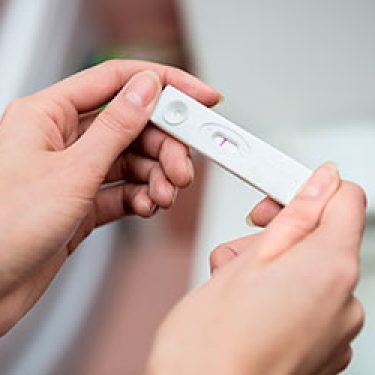
A correctly performed positive home pregnancy test is generally considered highly reliable. A positive result means the test detected hCG at a level consistent with pregnancy. The NHS states that a positive home pregnancy test is almost certainly correct when the instructions have been followed properly.
If you receive a positive result, consider contacting a healthcare professional to discuss next steps and pregnancy care. Medical professionals can provide guidance based on your individual circumstances and may use additional testing when appropriate. If you are unsure whether you want to continue a pregnancy, confidential healthcare support can help you understand your options.
What Does a Negative Result Mean?
A negative test result does not always completely rule out pregnancy, especially if the test was taken too early. Testing before enough hCG has accumulated in the urine can produce a false-negative result.
If you are trying to understand how to know if your pregnant and receive a negative result but your period still does not arrive, consider repeating the test after several days or about a week, depending on the circumstances and test instructions. Mayo Clinic notes that testing too early is a common reason for false-negative results.
If repeated tests remain negative but your period does not begin, speaking with a healthcare professional can help determine whether another reason is responsible for the missed period.
Can You Be Pregnant Without Symptoms?
Yes. Not everyone experiences noticeable early pregnancy symptoms. Some people may have several symptoms, while others may feel almost completely normal during the early weeks.
This is an important point when considering how to know if your pregnant. The absence of nausea, breast tenderness, fatigue, or other common symptoms does not necessarily mean that pregnancy is impossible. Conversely, having several symptoms does not prove pregnancy. Testing is more informative than symptom counting.
What Can Cause Pregnancy-Like Symptoms?
Several normal or medical circumstances can cause symptoms that resemble early pregnancy. Premenstrual hormonal changes can cause breast tenderness, fatigue, mood changes, bloating, and other sensations. Stress and changes in sleep can also affect how a person feels.
Certain illnesses and medications can produce symptoms that overlap with pregnancy. This is why relying solely on physical sensations can lead to uncertainty. If pregnancy is possible, an appropriately timed home pregnancy test is a practical first step. Persistent menstrual irregularities or unexplained symptoms should be discussed with a healthcare professional.
When to Seek Medical Advice
Pregnancy-related symptoms are often mild, but certain symptoms require prompt medical attention. Significant vaginal bleeding, severe or persistent abdominal or pelvic pain, fainting, severe dizziness, or other concerning symptoms should not be ignored if pregnancy is possible.
The NHS advises seeking medical help when pregnancy symptoms raise concerns, particularly when bleeding or abdominal or pelvic pain occurs. If you believe you may be experiencing a medical emergency, seek urgent medical care rather than relying on an online article or home testing alone.
Pregnancy Testing and Next Steps
If a home test is positive, arranging appropriate healthcare is an important next step. Healthcare professionals can help confirm the pregnancy when necessary and provide information about prenatal care, medications, nutrition, and other considerations.
If a test is negative but your period remains absent, repeating the test can be appropriate because an early negative result may not detect pregnancy. If you continue receiving negative results while your period does not arrive, a healthcare professional can assess other possible causes. Mayo Clinic notes that a healthcare professional may use a blood test or other evaluation when pregnancy remains uncertain.
Common Mistakes When Checking for Pregnancy
One common mistake is testing too early. Even when pregnancy has occurred, there may not yet be enough hCG in urine for a home test to detect it. Another mistake is failing to follow the test’s instructions or reading the result outside the recommended time window.
Another issue is relying entirely on symptoms. Feeling tired, having sore breasts, experiencing nausea, or having a late period can all occur for reasons other than pregnancy. Anyone researching how to know if your pregnant should therefore use symptoms as possible clues rather than definitive evidence. Correctly timed pregnancy testing provides a much stronger basis for determining whether pregnancy has occurred.
Conclusion
Understanding how to know if your pregnant begins with recognizing that early symptoms can vary widely. A missed period, breast tenderness, tiredness, nausea, increased urination, food changes, and mood changes can occur during early pregnancy, but none of these symptoms alone confirms pregnancy. Some people may have several symptoms, while others may have very few or none.
A home pregnancy test is the practical way to check for pregnancy. Most tests are most reliable from the first day of a missed period, while people who do not know when their period is due can generally test at least 21 days after the last unprotected sex. If a test is negative but pregnancy is still suspected, repeating the test after several days or seeking professional medical advice can help clarify the situation. If a test is positive, contacting a healthcare professional can help with confirmation and appropriate next steps. Symptoms that include significant bleeding or severe abdominal or pelvic pain warrant prompt medical attention.