
Introduction
Understanding your skin type is an important first step toward creating a skincare routine that works for you. Many people purchase cleansers, moisturizers, serums, and other products without knowing whether their skin is oily, dry, combination, normal, or sensitive. As a result, a product that works well for one person may feel uncomfortable or ineffective for someone else. Learning how to know your skin type can make it easier to select suitable products and understand how your skin responds to different ingredients and environmental conditions.
Your skin can change over time because of age, weather, hormones, stress, lifestyle, medications, and skincare habits. Therefore, identifying your skin type is not necessarily a one-time process. Paying attention to how your skin feels and behaves can help you make better decisions. This guide explains the major skin types, simple ways to identify them at home, common signs to observe, and practical skincare considerations for each type.
What Are the Main Skin Types?
Most basic skincare guides classify skin into five broad categories: normal, oily, dry, combination, and sensitive. These categories describe general characteristics rather than permanent medical diagnoses.
Normal skin generally has a balanced amount of oil and moisture. Oily skin tends to produce more sebum, while dry skin may feel tight, rough, or flaky. Combination skin commonly has more oil in some areas and less in others. Sensitive skin may react easily to certain products or environmental factors.
A person can also have overlapping characteristics. For example, someone may have combination skin that is also sensitive. This is why observing your skin carefully is more useful than relying on a single characteristic.
How to Know Your Skin Type After Cleansing
One simple way to learn how to know your skin type is to observe your skin after gently washing your face.
Start with a mild cleanser and rinse your face with lukewarm water. Avoid applying moisturizer, serum, sunscreen, makeup, or other skincare products immediately afterward. Allow your skin to remain product-free for a short period and observe how it feels.
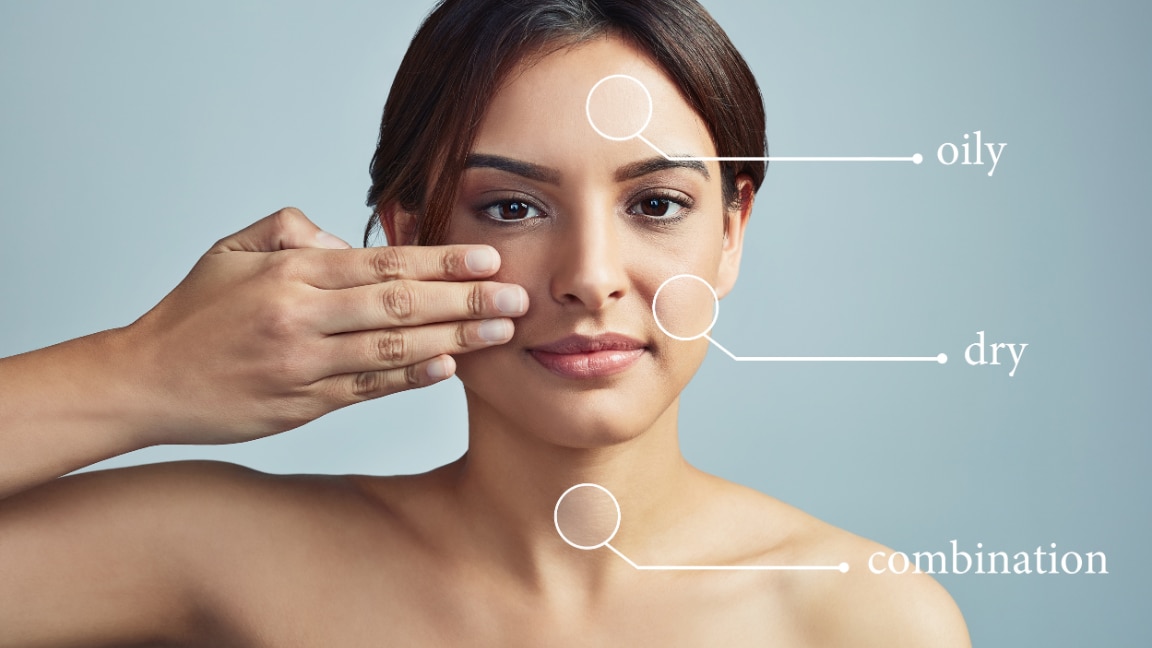
If your entire face becomes noticeably shiny, you may have oily skin. If your face feels tight or uncomfortable, you may have dry skin. If your T-zone becomes oily while your cheeks remain relatively comfortable or dry, combination skin may be likely.
If your skin feels comfortable without significant oiliness or tightness, it may be closer to the normal category.
Understanding Oily Skin
Oily skin is generally characterized by increased sebum production. Sebum is an oily substance naturally produced by the skin that helps protect and lubricate it.
People with oily skin may notice shine across the forehead, nose, cheeks, and chin. They may also experience clogged pores or frequent blemishes.
However, having oily skin does not mean that the skin should be aggressively scrubbed or stripped of all oil. Harsh cleansing can irritate the skin and may leave it feeling uncomfortable.
A gentle cleansing routine and an appropriate lightweight moisturizer can be useful considerations for people with oily skin.
Signs of Dry Skin
Dry skin may feel tight, rough, or uncomfortable, especially after cleansing. Some people may notice visible flaking or areas that appear less smooth.
Cold weather, low humidity, hot showers, certain skincare products, and frequent washing can make dryness more noticeable.
If you are trying to understand how to know your skin type, pay attention to whether your skin consistently feels dry rather than only after using a particular product.
A gentle cleanser and moisturizer can help support the skin barrier. Avoiding excessively hot water and harsh products may also help reduce unnecessary dryness.
Understanding Combination Skin
Combination skin has characteristics associated with both oily and dry or normal skin.
The T-zone, which generally includes the forehead, nose, and chin, may become oily while the cheeks remain normal or dry.
This can make skincare more complicated because one product may not feel equally comfortable across the entire face.
People with combination skin can focus on balanced care rather than trying to eliminate oil completely. Lightweight hydration may be appropriate for oilier areas, while drier areas may benefit from additional moisturizing support.
Normal Skin Characteristics
Normal skin generally has a relatively balanced appearance and comfortable moisture level.
People with this skin type may experience limited oiliness and dryness under ordinary conditions. Their skin may feel comfortable after cleansing and may not frequently develop obvious flaky or excessively shiny areas.
However, normal skin can still experience occasional acne, irritation, dryness, or sensitivity.
No skin type is completely problem-free. Even people with balanced skin benefit from gentle cleansing, moisturizing, sun protection, and healthy skincare habits.
Sensitive Skin Is Different
Sensitive skin is often described by how the skin reacts rather than simply by how oily or dry it is.
People with sensitive skin may experience stinging, burning, redness, itching, or discomfort after using certain products or encountering environmental triggers.
Sensitivity can occur alongside oily, dry, combination, or normal skin.
If a product repeatedly causes significant irritation, it is sensible to stop using it and consider discussing persistent symptoms with a qualified healthcare professional or dermatologist.
The Tissue or Blotting Paper Test
Another commonly discussed method for how to know your skin type involves observing oil on blotting paper or a clean tissue.
After cleansing and waiting for a while without applying skincare products, gently press the tissue against different areas of your face.
Visible oil across many areas may suggest oily skin. Oil mainly around the forehead, nose, and chin may indicate combination skin. Very little oil combined with a tight or dry feeling may suggest dry skin.
This test is only a basic indicator. It should be combined with longer-term observation because oil production can vary during the day.
Observe Your Skin Throughout the Day
Skin can look different in the morning compared with the afternoon or evening.
Some people begin the day with comfortable skin but develop noticeable shine later. Others may feel dryness after cleansing that improves after applying moisturizer.
Pay attention to these patterns for several days rather than drawing conclusions from one observation.
Keeping a simple skincare journal can help. Record how your skin feels after cleansing, whether it becomes oily, whether dry patches appear, and how it responds to new products.
Consider Seasonal Changes
Weather can influence skin behavior.
During colder or drier months, skin may feel tighter or rougher. Hot and humid conditions can increase the feeling of oiliness or perspiration.
This means your skin may not behave exactly the same throughout the year.
When considering how to know your skin type, focus on your usual characteristics while recognizing that environmental conditions can temporarily alter how your skin looks and feels.
Does Acne Determine Skin Type?
Acne and skin type are not the same thing.
People with oily skin may be more prone to clogged pores, but acne can occur in people with different skin characteristics.
Likewise, having dry skin does not automatically mean that someone cannot develop breakouts.
Skin concerns and skin type should therefore be considered separately. A person may have combination skin with acne, dry skin with occasional breakouts, or oily skin without significant acne.
How Skincare Products Affect Your Skin
Sometimes what appears to be your natural skin type may actually be influenced by the products you use.
A harsh cleanser can make skin feel unusually dry. Heavy products can make some people feel excessively greasy. Over-exfoliation can contribute to irritation and discomfort.
When evaluating how to know your skin type, consider your routine as well as your natural skin characteristics.
If your skin changes dramatically after introducing a product, the product itself may be contributing to the change.
Choosing a Cleanser
The cleanser is one of the basic parts of a skincare routine.
People with oily skin may prefer lightweight cleansing products, while people experiencing dryness may prefer gentler formulations that do not leave the skin feeling stripped.
Sensitive skin often benefits from avoiding unnecessary fragrance and harsh ingredients, although individual tolerance varies.
Regardless of skin type, cleansing should not leave the face persistently painful, excessively tight, or irritated.
Choosing a Moisturizer
Moisturizer can help support the skin barrier and reduce uncomfortable dryness.
Oily skin does not necessarily mean that moisturizer should be avoided. A lightweight formulation may feel more comfortable for some people.
Dry skin may benefit from richer moisturizing products.
Combination skin may require different approaches in different areas.
The right moisturizer depends on both skin type and individual product tolerance.
Importance of Sun Protection
Sun protection is an important part of everyday skincare regardless of whether your skin is oily, dry, normal, combination, or sensitive.
Sun exposure can contribute to premature skin aging and other forms of skin damage.
A broad-spectrum sunscreen suitable for your skin and lifestyle can be incorporated into a daily routine.
People with sensitive skin may need to pay particular attention to how their skin reacts to different sunscreen formulations.
Common Mistakes When Identifying Skin Type
One common mistake is identifying skin type based on a single day’s appearance.
Another is assuming that oily skin does not require moisturizer or that dry skin should never be cleansed.
People may also confuse temporary irritation with their natural skin type.
Using several new products simultaneously can make it difficult to determine what is causing a reaction.
A better approach is to observe your skin consistently and introduce changes gradually.
Skin Type Can Change
Your skin type is not necessarily fixed throughout your entire life.
Age, hormonal changes, climate, stress, lifestyle, medications, and skincare practices can influence skin behavior.
Someone who had oily skin as a teenager may experience less oil production later. Similarly, environmental changes can temporarily make normally comfortable skin feel dry.
This is why learning how to know your skin type should be viewed as an ongoing process rather than a permanent label.
How Diet and Lifestyle May Affect Skin
Skincare products are only one part of overall skin health.
Adequate sleep, hydration, balanced nutrition, regular physical activity, and stress management can support general well-being.
However, individual skin concerns can have many causes, and there is no single diet that guarantees perfect skin.
If persistent skin problems occur, professional medical advice is more appropriate than relying solely on online skincare tips.
Patch Testing New Products
Before introducing a new skincare product, people with sensitive or reactive skin may benefit from testing a small amount first.
A patch test can help identify potential irritation before applying a product more broadly, although it cannot guarantee that a product will never cause a reaction.
If severe irritation occurs, discontinue the product and seek appropriate medical advice.
When to Consult a Dermatologist
Home observation can help identify broad skin characteristics, but persistent or severe problems deserve professional evaluation.
A dermatologist can assess concerns such as persistent acne, significant redness, itching, scaling, unusual changes, or recurring irritation.
If you are unsure about your skin type because your skin reacts strongly to multiple products, professional guidance can also help you develop a suitable routine.
Building a Simple Routine
Once you understand your skin characteristics, keep your routine simple.
A basic routine can include gentle cleansing, appropriate moisturizing, and daytime sun protection.
Additional products can be introduced according to specific concerns.
Adding too many products at once can increase the possibility of irritation and makes it harder to determine which product is helping or causing problems.
Why Knowing Your Skin Type Matters
Understanding how to know your skin type can make skincare shopping more focused.
Instead of choosing products based only on advertisements or trends, you can consider whether the formulation is appropriate for your skin characteristics.
This does not guarantee that a product will work perfectly because individual skin tolerance varies.
Nevertheless, knowing whether your skin tends to be oily, dry, combination, normal, or sensitive provides a useful starting point.
Final Tips for Understanding Your Skin
When evaluating your skin, observe it under ordinary conditions and avoid making conclusions immediately after applying several products.
Look for consistent patterns in oiliness, dryness, comfort, redness, and sensitivity.
Remember that your skin can change with seasons and age.
Most importantly, avoid comparing your skin directly with someone else’s. Everyone’s skin has different characteristics, and an effective routine should be based on individual needs rather than trends.
Conclusion
Learning how to know your skin type does not require complicated equipment. By gently cleansing your face, observing how it feels and looks over time, and paying attention to oiliness, dryness, combination patterns, and sensitivity, you can develop a clearer understanding of your skin.
Oily, dry, combination, normal, and sensitive skin each have different characteristics, but these categories are only general guides. Your skin can change because of weather, age, hormones, lifestyle, and skincare products.
Once you understand your skin’s behavior, you can build a simpler and more suitable routine. Focus on gentle cleansing, appropriate hydration, sun protection, and careful introduction of new products. Avoid harsh treatments and unnecessary product changes.
Ultimately, knowing how to know your skin type is less about finding a permanent label and more about learning how your skin behaves. Consistent observation and, when necessary, professional dermatological advice can help you make informed skincare choices and maintain healthy-looking skin.