
Introduction
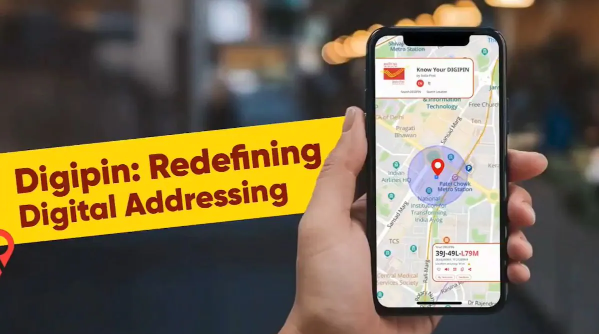
In an increasingly digital world, addresses are becoming more than just names of streets, houses, and neighborhoods. Digital services, online deliveries, emergency assistance, financial services, and government platforms often need accurate location information to work efficiently. This is where DIGIPIN can play an important role. DIGIPIN is a digital addressing system designed to provide a standardized location reference for places across India. Instead of depending only on traditional address descriptions, users can use a digital identifier associated with a specific geographical location.
The idea behind DIGIPIN is to make location identification more precise and easier to use in digital environments. Traditional addresses can sometimes be difficult to understand, especially in areas where roads, buildings, or landmarks are not clearly numbered. A digital location reference can help connect a physical place with digital systems. For people interested in understanding how modern addressing works, know your DIGIPIN is an important concept to explore. This guide explains what DIGIPIN means, how it works, where it can be useful, and why digital addressing may become increasingly relevant.
What Is DIGIPIN?
DIGIPIN is a digital addressing system that provides a unique geographical reference for a particular location. It is designed to support India’s evolving digital infrastructure by creating a standardized way to identify locations. Rather than relying completely on written descriptions, a digital address can represent a specific geographical area through a structured identification system.
The purpose of DIGIPIN is not simply to replace conventional postal addresses. Instead, it can complement existing addresses by adding a precise digital location layer. This can be particularly useful when an address is difficult to describe using conventional methods. In villages, developing areas, remote regions, and places with similar house numbers, identifying an exact location can sometimes be challenging. A digital identifier can make location-based services easier to organize and process. Understanding know your DIGIPIN therefore begins with recognizing the difference between a conventional address and a digital location reference.
How Does DIGIPIN Work?
DIGIPIN works by associating geographical coordinates with a standardized digital code. The country is divided into defined geographical areas, and each location is represented through a specific identifier. This approach allows a physical location to be represented digitally without depending entirely on a long written address.
When a location is identified through its geographical position, the corresponding digital addressing system can provide an associated code. The concept is useful because geographical coordinates can be difficult for ordinary users to remember or communicate. A structured digital code can make location information more convenient for applications and services.
The system is designed around geographical accuracy and digital accessibility. Depending on how a service integrates the system, users may be able to use their digital address for different location-related activities. As digital infrastructure expands, systems such as DIGIPIN can help businesses and public services connect physical locations with online platforms more efficiently.
Why Is DIGIPIN Important?
Accurate addressing is important for many everyday activities. A person may have a complete postal address but still find it difficult to explain their exact location to a delivery worker, emergency responder, service provider, or visiting organization. Differences in spelling, incomplete landmarks, and changing local infrastructure can make conventional addresses harder to process digitally.
DIGIPIN offers another way to represent location information. By linking a physical place with a digital identifier, it can help create consistency across digital services. This may be particularly valuable in regions where formal addressing systems are less detailed.
The importance of know your DIGIPIN also comes from the growth of digital public infrastructure. As more services move online, reliable location information becomes increasingly valuable. A standardized digital address can potentially support logistics, public administration, emergency services, financial services, and other location-dependent applications.
DIGIPIN and Traditional Addresses
Traditional addresses remain essential for communication, postal services, property identification, and many official purposes. They normally contain information such as a house number, street, locality, city, district, state, and postal code. However, not every location is equally easy to describe using these elements.
DIGIPIN can work alongside a traditional address rather than necessarily replacing it. A person can have a conventional address for regular communication while also having a digital location reference for online services. This combination can provide both human-readable and machine-readable location information.
For example, a delivery address may include a house number and street name, while a digital identifier can provide an additional location reference. This can reduce ambiguity when multiple addresses appear similar or when a location is situated in an area with limited formal addressing.
How Can You Know Your DIGIPIN?
If a service or official digital addressing platform provides DIGIPIN functionality for a location, users can generally identify the digital address associated with their geographical position through the relevant system. The process is intended to connect the user’s location with its corresponding digital identifier.
Before using any digital address for an important service, users should make sure that the displayed location corresponds to the intended place. Location permissions may also be relevant when a device is being used to identify the current position.
The basic idea behind know your DIGIPIN is simple: identify your location, obtain the corresponding digital identifier, and understand how it can be used. Users should keep in mind that a digital address is location-specific, so checking the displayed information carefully is important before sharing it with another person or service.
Uses of DIGIPIN
Digital addressing can have applications across several sectors. One of the most obvious areas is logistics and delivery. Online shopping and courier services depend heavily on accurate location information. A standardized digital reference could help service providers locate destinations more efficiently.
Emergency services are another potential use. When someone needs urgent assistance, describing a location verbally can sometimes be difficult. A precise digital location reference may provide an additional way to communicate where help is required.
Government services may also benefit from standardized digital addressing. Public administration often involves large quantities of location-based information. A consistent digital addressing layer can support data management and service delivery.
Other potential applications include financial services, insurance, utilities, e-commerce, transportation, field services, and location-based business operations. As organizations adopt digital infrastructure, the usefulness of standardized addressing can expand.
Benefits of Using a Digital Address
One major advantage of digital addressing is consistency. Written addresses can vary in format, spelling, and level of detail, while a standardized identifier follows a defined structure. This can make location information easier for digital systems to process.
Another benefit is convenience. Users may find it easier to share a digital location identifier than explain a complicated route or provide several landmarks. This can be useful when communicating with delivery personnel, service providers, or organizations.
Digital addressing can also support better data management. Businesses and government organizations frequently need to connect people, services, and physical locations. A consistent geographical reference can make such processes more organized.
For these reasons, know your DIGIPIN is becoming a useful concept for people who want to understand how location information can be integrated into India’s digital ecosystem.
DIGIPIN for Deliveries and Logistics
The logistics industry depends on accurate addresses. Delivery personnel often deal with incomplete addresses, confusing local names, missing house numbers, and locations that are difficult to find. Even when a postal address is technically correct, reaching the exact destination can require additional phone calls or directions.
A digital addressing system can provide another reference point. When integrated into logistics systems, it may help businesses associate delivery records with precise geographical locations. This can improve address verification and potentially reduce confusion.
For customers, the benefit can be greater convenience. Instead of repeatedly explaining directions, a digital identifier could provide an additional location reference. However, the usefulness of any system depends on how widely it is adopted and integrated by service providers.
DIGIPIN and Emergency Services
During emergencies, location accuracy can be extremely important. People may not always know their complete address, especially when they are traveling or visiting an unfamiliar area. They may also struggle to describe their surroundings accurately.
A digital location identifier can provide an additional method for communicating a location. If emergency systems support the relevant digital address infrastructure, it could help responders identify the required area more efficiently.
This does not mean that traditional location information becomes unnecessary. Users should still provide landmarks, road names, building information, or other details whenever possible. Digital addressing should be considered an additional tool for communicating location rather than a replacement for all existing methods.
Role of DIGIPIN in Digital India
India has experienced rapid growth in digital services, including digital payments, online government services, e-commerce, telemedicine, education platforms, and mobile applications. These services frequently depend on reliable information about people and places.
A standardized digital addressing framework can contribute to this broader digital transformation. It can help create a common location layer that different services may use according to their requirements.
The significance of know your DIGIPIN is therefore connected to a larger shift toward digital infrastructure. Just as digital identity and online payment systems have changed how people interact with services, standardized digital addressing can potentially change how locations are identified and shared.
Privacy and Responsible Use
Location information can be sensitive because it may reveal where a person, home, workplace, or business is located. Users should therefore think carefully before sharing a digital address publicly.
A digital address should be shared only with people or services that genuinely need the location information. Users should also review the privacy practices of platforms that request location access.
Understanding know your DIGIPIN should include understanding responsible location sharing. Digital convenience is valuable, but users should remain aware of what information they are providing and why it is being requested.
Future of Digital Addressing in India
The future of addressing is likely to become increasingly connected with digital technology. As smartphones, mapping systems, online services, logistics networks, and government platforms become more integrated, accurate location information will continue to be important.
Digital addressing may support smarter logistics, better public-service delivery, improved location verification, and more efficient digital transactions. Its long-term impact will depend on adoption, interoperability, privacy practices, and integration with existing addressing systems.
As these technologies develop, more people may become familiar with concepts such as digital addresses and geographical identifiers. Learning know your DIGIPIN today can help users understand the role that digital location systems may play in everyday services in the future.
Frequently Asked Questions
What is DIGIPIN?
DIGIPIN is a digital addressing system that provides a standardized geographical reference for a location. It is designed to support digital identification of places across India.
Why do I need a digital address?
A digital address can provide an additional way to identify and share a physical location. It may be useful for deliveries, services, administration, and other location-dependent activities.
Can DIGIPIN replace my postal address?
A digital address is better understood as an additional location reference. Traditional postal addresses continue to serve important communication and administrative purposes.
Is DIGIPIN useful for online deliveries?
Digital addressing can potentially help delivery and logistics services identify locations more accurately, particularly when conventional addresses are incomplete or difficult to interpret.
Should I share my DIGIPIN publicly?
Users should consider location privacy before sharing any precise digital address. It is generally sensible to provide location information only when it is necessary and to trusted individuals or services.
Conclusion
Digital addressing represents an important development in the way physical locations can interact with digital services. Traditional addresses remain valuable, but modern online systems increasingly require precise and structured location information. DIGIPIN provides a digital approach to identifying geographical locations and can potentially support logistics, emergency assistance, government services, business operations, and other applications.
For users, learning know your DIGIPIN is a practical way to understand this emerging aspect of India’s digital infrastructure. The concept combines geographical information with a standardized digital reference, making locations easier to represent in digital systems. As adoption and integration develop, digital addressing may become a more familiar part of everyday online services. Understanding how it works, where it can be useful, and how to share location information responsibly can help users make better use of India’s evolving digital ecosystem.