
Introduction
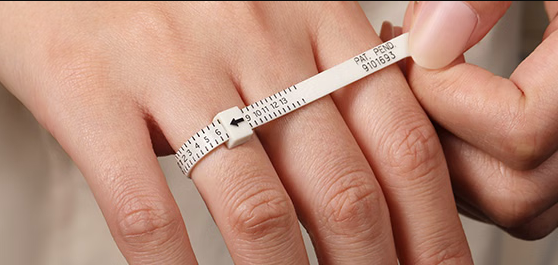
Finding the correct ring size is important when buying a new ring, ordering jewelry online, choosing a gift, or designing a custom piece. A ring that is too tight can feel uncomfortable, while one that is too loose may move around or slip from the finger. Fortunately, you do not always need to visit a jewelry store to estimate your size. With a few simple tools and careful measurements, you can get a useful starting point at home. Understanding how to know your ring size also makes online jewelry shopping easier because you can compare your measurement with the seller’s sizing chart before placing an order.
Ring sizes can differ between countries and manufacturers, so knowing the measurement of your finger in millimeters can be particularly helpful. Factors such as temperature, time of day, finger shape, ring width, and swelling can influence the way a ring fits. Taking more than one measurement and checking it against the appropriate size chart can improve accuracy.
Why Knowing Your Ring Size Matters
Ring size determines how comfortably a ring fits around your finger. An accurately sized ring should slide over the knuckle without excessive resistance while remaining secure enough that it does not easily fall off.
This becomes particularly important when purchasing rings online. Unlike shopping at a jewelry store, online buyers may not have the opportunity to try on several sizes before making a purchase. A small difference in size can noticeably affect comfort, especially with rings that are wide or have a thick band.
Knowing your size in advance can also make gift shopping easier. If you are buying a ring for someone else, measuring an existing ring or asking someone close to the recipient can provide useful information without revealing the surprise.
How to Know Your Ring Size With Paper
One of the simplest methods for learning how to know your ring size is to use a narrow strip of paper. Cut a thin strip that is long enough to wrap comfortably around the base of the finger.
Wrap the paper around the finger where the ring will normally sit. Make sure it is snug but not tight. Mark the point where the end of the paper meets the rest of the strip.
Remove the paper and measure the distance from the beginning of the strip to the marked point using a ruler. Record the measurement in millimeters. This number represents an approximate finger circumference.
You can then compare the circumference with a reliable ring-size conversion chart. Repeat the measurement two or three times to make sure the result is consistent.
Measuring With a String
A piece of non-stretch string can also be used to estimate ring size. The process is similar to the paper-strip method, but the string should not be pulled tightly around the finger.
Wrap the string around the base of the intended finger and mark the point where the ends meet. Lay the string flat and measure its length with a ruler.
String can sometimes be less accurate than paper because it may stretch or bend during measurement. For that reason, avoid elastic or highly flexible materials.
If the measurement falls between two sizes, it is useful to repeat the process carefully and consider factors such as ring width and knuckle size before selecting the final size.
Using an Existing Ring
If you already own a ring that fits the intended finger comfortably, you may be able to use it as a reference. Measure the inside diameter of the ring across the widest part of its inner opening.
The measurement should be taken from the inside edge to the opposite inside edge rather than including the thickness of the metal. Record the diameter in millimeters and compare it with the sizing chart used by the jewelry retailer.
This method can be convenient because you do not need to measure the finger directly. However, the existing ring must fit the same finger. Fingers on the same person’s left and right hands can differ in size, and different fingers can vary considerably.
Understanding Ring Size Charts
Ring sizes are not universal worldwide. Different regions commonly use different systems, including U.S., U.K., European, and other sizing standards. This means that simply knowing a number is not always enough when purchasing jewelry internationally.
For example, a ring labeled with a particular size in one country may correspond to a different number or letter in another sizing system. The actual finger circumference or inside diameter provides a more reliable basis for conversion.
When shopping online, always check the seller’s own sizing chart rather than relying exclusively on a generic chart. Manufacturers may use slightly different standards, and some brands provide measurements in millimeters alongside their standard sizes.
Best Time to Measure Your Finger
The time at which you measure your finger can affect the result. Fingers may be slightly smaller when they are cold and somewhat larger after exposure to heat or physical activity.
For a practical measurement, choose a normal indoor temperature and avoid measuring immediately after exercising, taking a hot shower, or spending significant time outdoors in extreme temperatures.
It is also useful to measure later in the day because fingers can change size during the day. If you are unsure about the result, take measurements at different times and compare them.
Learning how to know your ring size accurately is therefore not only about the measuring tool. The conditions under which you measure can also influence the result.
Consider Your Knuckle Size
Finger shape is another important consideration. Some people have relatively large knuckles compared with the base of their fingers. A ring needs to pass over the knuckle comfortably while still fitting securely around the lower part of the finger.
If the ring fits comfortably at the base but cannot pass over the knuckle, the size may need to be adjusted. On the other hand, making a ring too large simply to accommodate a knuckle can cause it to spin or move excessively.
When measuring, consider both the base of the finger and the largest point the ring needs to pass over. A professional jeweler can help when there is a significant difference between these measurements.
How Ring Width Affects Fit
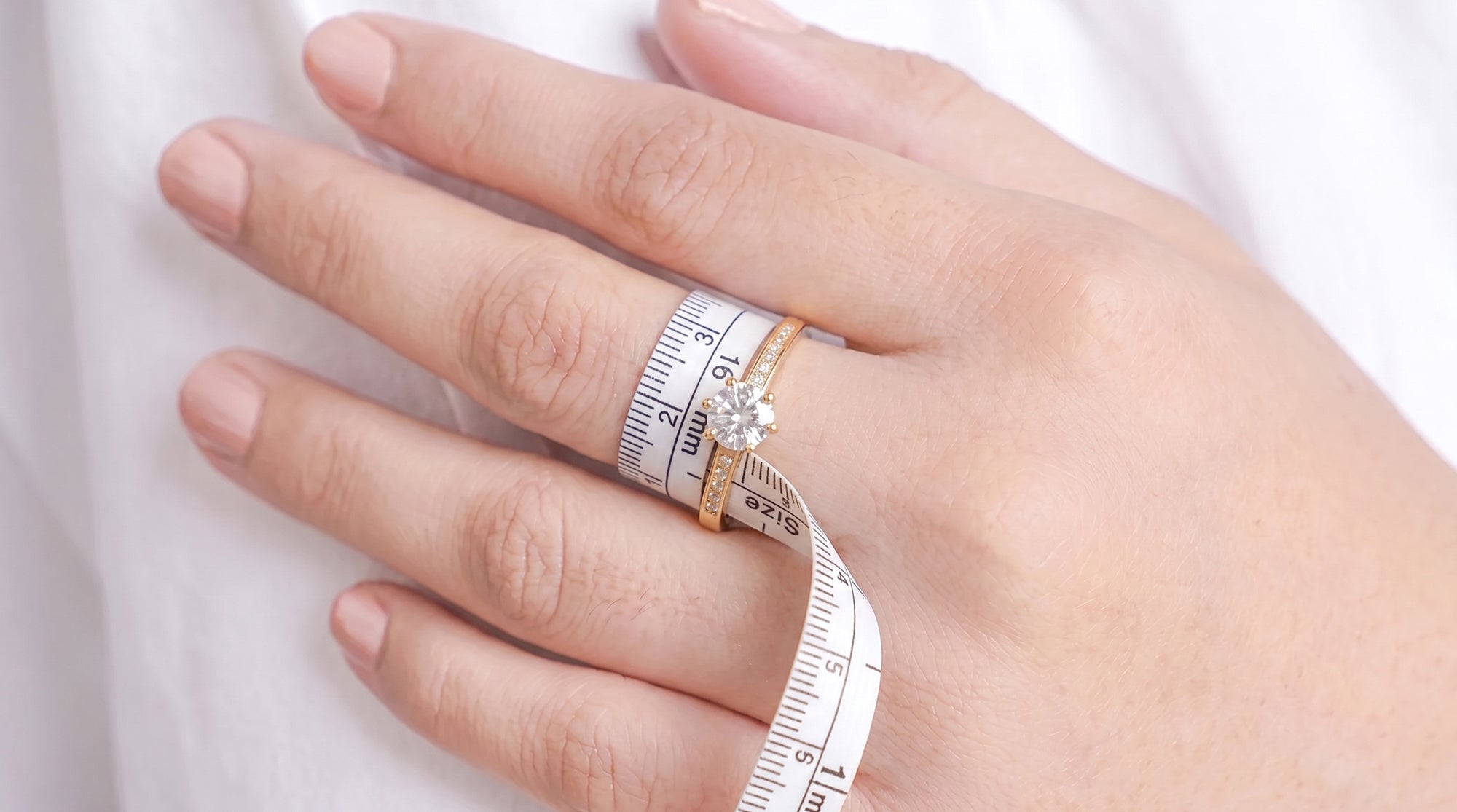
The width of a ring band can change how it feels on the finger. Narrow bands usually feel less restrictive, while wide bands cover more of the finger and can feel tighter even when the nominal size is the same.
If you are purchasing a wide wedding band or statement ring, the sizing recommendation may differ from that of a thin band. Some jewelry retailers recommend going slightly larger for particularly wide designs, although the appropriate adjustment depends on the specific ring.
When learning how to know your ring size, consider the actual design you plan to wear rather than treating every ring as identical. The shape, width, interior profile, and material can all affect comfort.
Measuring Different Fingers
Do not assume that every finger has the same size. Your thumb, index finger, middle finger, ring finger, and little finger can all require different ring sizes.
Even the corresponding finger on your other hand may have a different measurement. This is why a ring that fits the ring finger of one hand may not fit the ring finger of the other.
Measure the exact finger on which you plan to wear the ring. If you are buying a ring as a gift, try to determine the intended finger rather than estimating based on another ring worn on a different finger.
Common Ring Sizing Mistakes
One common mistake is wrapping paper or string too tightly around the finger. This produces a smaller circumference and can lead to an uncomfortable ring.
Another mistake is measuring only once. A single measurement may be affected by finger position, temperature, or how tightly the material was wrapped. Taking several measurements can provide a more reliable result.
Using the wrong conversion chart is another frequent problem. If a retailer uses U.S. sizing, for example, do not automatically assume that a European measurement will correspond to the same number.
Finally, do not ignore the ring’s width. A thick band can have a different feel from a narrow ring even when both have the same nominal size.
How to Know Your Ring Size Without Measuring Your Finger
If you cannot measure your finger directly, an existing ring can provide a useful alternative. Choose a ring that fits the intended finger well and measure its internal diameter.
You can also compare the ring with a physical ring-sizing tool if one is available. Some jewelry stores provide sizing kits that contain rings or measuring tools corresponding to different sizes.
For surprise gifts, asking a friend or family member to discreetly find the recipient’s ring size may also work. Another option is to borrow one of the recipient’s rings that is known to fit the correct finger and use it as a reference.
These methods may not be as accurate as professional sizing, but they can provide a useful estimate.
Professional Ring Sizing
For valuable jewelry, wedding rings, engagement rings, or custom-made pieces, professional sizing can provide greater confidence. Jewelers have specialized ring gauges and measurement tools designed specifically for determining ring sizes.
A professional can also account for knuckle shape, ring width, band design, and the way a particular ring sits on the finger. This can be especially helpful when a person’s measurements fall between standard sizes.
Professional sizing is also useful if a ring has an unusual design or if you have previously experienced problems with rings being too tight or loose.
Ring Size and Seasonal Changes
Finger size can change slightly depending on temperature and other conditions. Warm weather may cause fingers to swell, while cold conditions can temporarily reduce their size.
This does not mean you need different ring sizes for every season. Instead, it is a reason to avoid measuring immediately after exposure to unusually hot or cold conditions.
For rings worn every day, a comfortable middle ground is generally preferable. The ring should have enough room for normal changes while remaining secure during ordinary activities.
Tips for Online Ring Shopping
Online shopping makes accurate sizing particularly important. Before ordering, check the retailer’s measurement instructions and compare your measurement with its specific chart.
Read the store’s exchange or resizing policy as well. Even careful measurements can occasionally produce an imperfect fit, and knowing your options before buying can make the process easier.
If you are between sizes, consider contacting the seller for guidance, particularly when purchasing a wide band, unusual design, or custom ring. Different styles can fit differently.
Learning how to know your ring size before browsing online jewelry can save time and reduce the likelihood of ordering an unsuitable size.
What to Do If Your Ring Does Not Fit
If a newly purchased ring is too tight or too loose, avoid forcing it onto your finger. A ring that is difficult to remove can become uncomfortable, particularly if the finger swells.
Check whether the retailer offers exchanges or professional resizing. Some rings can be resized relatively easily, while others may have design limitations. Eternity bands, intricate settings, certain materials, and some specialty designs may require different solutions.
If a ring becomes suddenly tight after previously fitting normally, consider whether temporary swelling could be responsible. Persistent or significant swelling should not be ignored.
Conclusion
Learning how to know your ring size can make buying and wearing jewelry much easier. Simple methods using paper, string, an existing ring, or a sizing tool can provide a useful estimate, while professional measurement offers greater confidence for valuable or custom jewelry.
For the best result, measure the exact finger where the ring will be worn, use millimeters when possible, take several measurements, and avoid unusually hot or cold conditions. Remember that ring width, knuckle size, finger shape, and the sizing system used by the retailer can all influence the final choice.
Whether you are shopping for yourself, preparing for a special occasion, or choosing a surprise gift, accurate sizing helps create a more comfortable fit. Taking a few minutes to measure carefully before purchasing can prevent many common sizing problems and make your jewelry experience more enjoyable.