
Introduction
Many people wonder, how do you know if you have a blood clot in your leg, particularly when they experience unexplained swelling, pain, warmth, or a change in skin color. A blood clot that forms in a deep vein of the leg is called deep vein thrombosis, or DVT. It can occur in the lower leg, thigh, or pelvis and may sometimes cause noticeable symptoms. However, some people with DVT have no symptoms at all, so it is not possible to reliably confirm a clot simply by looking at or feeling the leg.
Recognizing warning signs is important because a DVT can sometimes lead to a pulmonary embolism if part of the clot breaks away and travels to the lungs. A pulmonary embolism can be life-threatening and requires immediate medical attention. This article explains common symptoms, risk factors, diagnostic tests, treatment, and situations that require urgent or emergency care.
What Is a Blood Clot in the Leg?
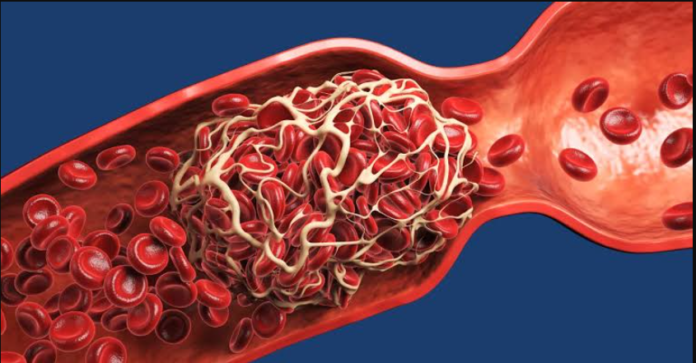
A blood clot in a deep vein of the leg is known as deep vein thrombosis. It occurs when blood forms a clot inside a deep vein and interferes with normal blood flow. DVT most commonly develops in the lower leg, thigh, or pelvis. It is part of a group of conditions called venous thromboembolism, which also includes pulmonary embolism.
A clot does not always cause obvious symptoms. According to the CDC, about half of people with DVT have no symptoms. When symptoms do occur, they commonly affect one leg and can include swelling, pain or tenderness, warmth, and redness or discoloration. Because several other conditions can cause similar symptoms, medical testing is necessary to determine whether a clot is actually present.
How Do You Know If You Have a Blood Clot in Your Leg?
If you are asking how do you know if you have a blood clot in your leg, the main warning signs to watch for are unexplained swelling, pain or tenderness, warmth, and changes in the color of the skin. These symptoms may develop around the area affected by the clot.
Swelling may be particularly noticeable when one leg looks larger than the other. Some people experience aching, cramping, or tenderness, while others notice a warm area of skin. Redness or another type of discoloration can also occur. However, none of these signs alone proves that a blood clot is present. Muscle injuries, infections, inflammation of superficial veins, and other conditions can produce similar symptoms.
Common Symptoms of Deep Vein Thrombosis
The symptoms of DVT can vary from person to person. Swelling is one of the most commonly recognized signs and may involve part or most of the affected leg. Pain or tenderness can occur without an obvious injury and may be noticed when the area is touched or during movement.
The affected area may also feel warmer than surrounding skin. Redness or discoloration is another possible warning sign. Some people describe the sensation as an unexplained ache, cramp, or feeling of heaviness in the leg.
It is important not to wait for every symptom to appear. A person can have DVT with only one or a few symptoms, and some people have no noticeable symptoms at all.
Can a Blood Clot Cause Leg Pain?
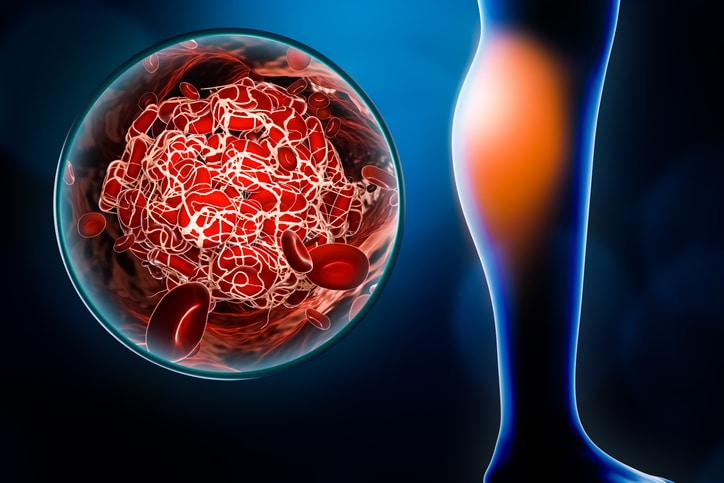
Leg pain can occur with DVT, but pain by itself does not mean that a blood clot is present. Many common problems, including muscle strain, joint problems, nerve irritation, and injuries, can cause leg pain.
Pain that occurs together with unexplained swelling, warmth, tenderness, or skin discoloration deserves medical attention, particularly when there are known risk factors for blood clots. A healthcare professional can evaluate the symptoms and determine whether diagnostic testing is appropriate.
Trying to diagnose DVT based only on the location or intensity of pain can be misleading. The appearance and sensation of the leg are not sufficient to confirm or exclude a clot.
Can a Blood Clot Cause Swelling?
Yes, swelling is a common symptom of DVT. It may occur because the clot interferes with normal blood flow through a deep vein. The swelling can affect part or all of the leg.
One-sided swelling that appears without an obvious injury can be particularly important to have evaluated. However, swelling also has many other possible causes, including injury, infection, fluid retention, and other circulation problems.
Because symptoms overlap, a healthcare professional may need to combine your medical history and physical examination with blood tests or imaging. A duplex ultrasound is commonly used to examine blood flow through the veins when DVT is suspected.
Risk Factors for a Blood Clot
Knowing your risk factors can help put symptoms into context. Blood clots can happen to anyone, but certain circumstances increase the likelihood. These include prolonged immobility, hospitalization, surgery, significant injury, and long-distance travel.
Other factors can include older age, a family history of blood clots, certain chronic illnesses, cancer, pregnancy or the period shortly afterward, and exposure to estrogen-containing medicines such as some hormonal contraceptives or hormone replacement therapy.
Having a risk factor does not mean that a person has a clot. Similarly, someone without an obvious risk factor can still develop DVT. This is why new or unexplained symptoms should be evaluated rather than dismissed.
Blood Clots After Long Travel or Sitting
Long periods without movement can increase the risk of blood clots because blood flow in the legs can become slower. This is one reason extended travel is associated with DVT risk, particularly when additional risk factors are present.
During long journeys, regularly moving your legs and getting up to walk when possible can help maintain circulation. The CDC recommends getting up and walking every one to two hours during trips lasting more than four hours and performing simple leg movements while seated.
If swelling, pain, warmth, or discoloration develops after prolonged travel, contact a healthcare professional promptly rather than assuming the symptoms are simply caused by sitting.
How Doctors Diagnose a Blood Clot
If you are wondering how do you know if you have a blood clot in your leg, the important point is that a definite diagnosis requires medical evaluation. A healthcare professional may review your symptoms, medical history, medications, recent surgery or hospitalization, mobility, and other risk factors.
A physical examination can provide useful information, but it cannot by itself confirm DVT. Doctors may use blood tests and imaging depending on the individual’s circumstances. Duplex ultrasonography is an important imaging test for examining blood flow and detecting a clot in the veins.
Because other conditions can resemble DVT, professional assessment is important before deciding on treatment.
Why You Should Not Self-Diagnose
It can be tempting to search for symptoms online and decide that a swollen or painful leg must have a clot. However, symptoms are not specific enough to make that determination safely.
For example, muscle injury, cellulitis, and inflammation of superficial veins can produce symptoms that resemble DVT. Conversely, DVT can sometimes occur without obvious symptoms. The CDC specifically notes that special medical tests are required to diagnose DVT or pulmonary embolism.
If you have symptoms that concern you, particularly unexplained swelling or pain in one leg, contacting a healthcare professional is safer than attempting to confirm or rule out a clot yourself.
When a Blood Clot Becomes an Emergency
The most serious complication of DVT occurs when part of the clot breaks away and travels to the lungs. This is called a pulmonary embolism, or PE. It can cause difficulty breathing, chest pain that may worsen with a deep breath or cough, coughing up blood, a rapid or irregular heartbeat, lightheadedness, or fainting.
If you experience sudden difficulty breathing, significant chest pain, coughing up blood, fainting, or other symptoms suggesting a pulmonary embolism, seek emergency medical care immediately. A PE can occur even when a person has not noticed symptoms of DVT beforehand.
These symptoms should not be monitored at home while waiting to see whether they improve.
What Tests May Be Used?
Healthcare professionals have several methods available to evaluate suspected venous thromboembolism. For a suspected DVT, duplex ultrasound is an important diagnostic imaging method. Blood tests such as a D-dimer test may also be used in appropriate situations to help assess the possibility of a clot.
The exact testing approach depends on symptoms, risk factors, medical history, and the healthcare professional’s assessment. There is no single home test that can reliably confirm that a person does or does not have DVT.
If a pulmonary embolism is suspected, different imaging tests may be needed to examine the blood vessels of the lungs. The type of testing is determined by medical professionals according to the situation.
How Are Blood Clots Treated?
Treatment depends on the location and severity of the clot and the individual’s medical circumstances. Anticoagulant medicines, commonly called blood thinners, are frequently used to prevent an existing clot from growing and to reduce the risk of additional clots. Different anticoagulant medicines may be appropriate for different people.
In certain serious situations, other treatments may be considered. These can include medicines that dissolve clots or procedures designed to remove or treat a clot. Such treatments are generally reserved for particular circumstances because they can carry significant risks.
People who are prescribed anticoagulants should take them exactly as directed and discuss other medicines or supplements with their healthcare professional because anticoagulants can increase bleeding risk.
Can You Prevent Blood Clots?
Not every blood clot can be prevented, but some measures can reduce risk. Maintaining regular movement is particularly important when sitting for long periods. During extended travel, standing and walking periodically and moving the feet and legs while seated can support circulation.
People undergoing surgery or hospitalization may receive individualized preventive measures based on their risk. Some people may be advised to use compression stockings or preventive medication, but these decisions should be made with a healthcare professional rather than started independently.
If you have previously had a blood clot or have several risk factors, discussing prevention with your healthcare provider can help determine which measures are appropriate for you.
When Should You Contact a Doctor?
If you are asking how do you know if you have a blood clot in your leg, unexplained swelling, pain or tenderness, warmth, or redness/discoloration should not be ignored. The CDC recommends contacting a doctor as soon as possible when these symptoms occur.
Prompt evaluation is particularly important if symptoms appear after surgery, hospitalization, prolonged immobility, significant injury, or long-distance travel, or if you have other known risk factors.
If you develop symptoms of a possible pulmonary embolism, such as sudden difficulty breathing, chest pain, coughing up blood, rapid or irregular heartbeat, severe lightheadedness, or fainting, seek emergency medical care immediately.
Conclusion
Knowing how do you know if you have a blood clot in your leg starts with recognizing the possible warning signs, but symptoms alone cannot confirm DVT. Common signs include unexplained swelling, pain or tenderness, warmth, and redness or discoloration, often affecting one leg. However, some people have no symptoms, and other medical conditions can produce similar symptoms.
A healthcare professional can evaluate your symptoms and risk factors and use appropriate tests, such as duplex ultrasound, to determine whether a clot is present. DVT should be taken seriously because a clot can travel to the lungs and cause a potentially life-threatening pulmonary embolism.
If you develop unexplained symptoms that could indicate DVT, seek medical advice promptly. If you experience sudden breathing difficulty, chest pain, coughing up blood, fainting, or similar emergency symptoms, seek immediate emergency care.
Important: This article is for general educational information and cannot diagnose a blood clot. If you currently have symptoms that concern you, especially one-sided leg swelling or unexplained pain, contact a healthcare professional promptly.