
Introduction
Astrology has been an important part of Indian culture for centuries. Many people look at their horoscope to understand their personality, relationships, career possibilities, and different aspects of life. One of the most common questions among astrology enthusiasts is how to identify their rashi. In Vedic astrology, rashi generally refers to the zodiac sign occupied by the Moon at the time of a person’s birth. It is considered an important element of an individual’s birth chart and is frequently used for horoscope readings.
Knowing your rashi can help you understand traditional astrological interpretations associated with your personality and emotional nature. However, identifying it requires more than simply knowing your birthday. Your exact birth time and birthplace can also influence the calculation. This guide explains how to know your rashi, which details are required, and how the twelve zodiac signs are understood in Indian astrology.
What Does Rashi Mean in Astrology?
Rashi is a Sanskrit word commonly used to describe a zodiac sign in Indian astrology. Vedic astrology divides the zodiac into twelve sections, with each section representing a particular sign. These signs are associated with different characteristics, elements, ruling planets, and traditional astrological meanings.
Unlike Western astrology, which commonly identifies zodiac signs through the position of the Sun, Vedic astrology often gives considerable importance to the Moon sign. The Moon’s position at the exact moment of birth determines a person’s Janma Rashi. Astrologers use this information when preparing birth charts and interpreting planetary influences.
Understanding this distinction is important because your Sun sign and Moon sign may be different. Someone might have one zodiac sign according to Western astrology and another according to their Vedic Moon sign. Both systems follow different approaches, so knowing which method you want to use is the first step.
How to Know Your Rashi Using Birth Details
The most reliable way to identify your rashi is through your birth details. Generally, three important pieces of information are required: your date of birth, exact time of birth, and birthplace. These details help astrologers calculate the Moon’s position when you were born.
Your date of birth provides the starting point for the calculation, while your birth time helps determine the Moon’s precise position. Your birthplace is also important because geographical coordinates and local time calculations are considered when preparing a birth chart.
You can provide these details to a qualified Vedic astrologer or use a reliable online birth chart calculator. The calculator will generally generate your horoscope and display your Janma Rashi. If your birth time is uncertain, the result may require additional verification because the Moon changes its position throughout the day.
Understanding the Twelve Rashis

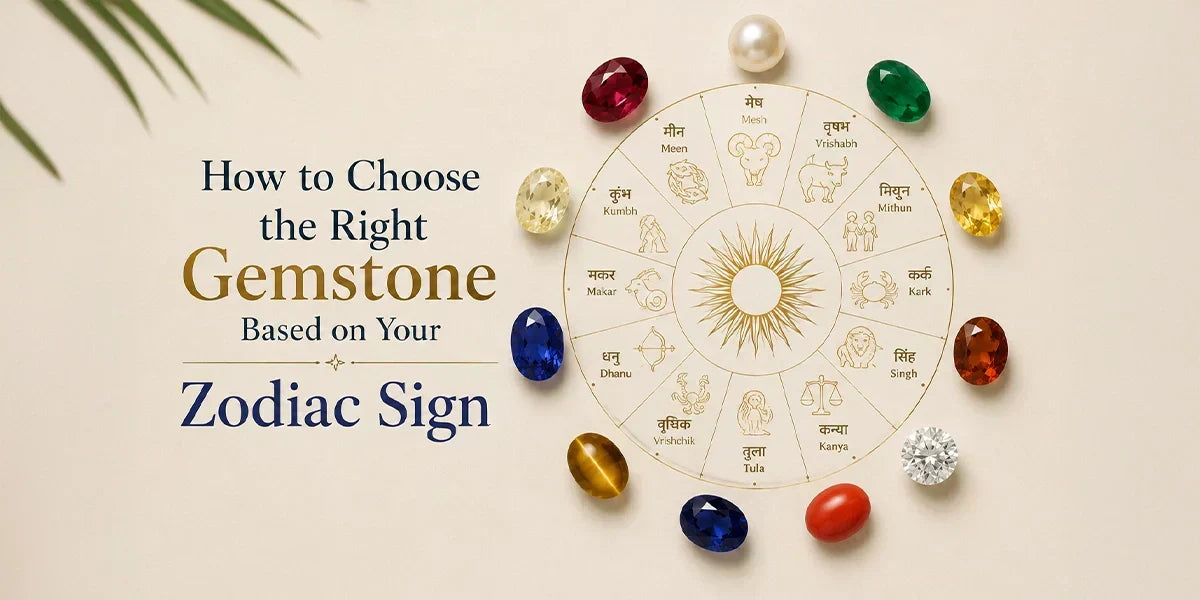
Vedic astrology recognizes twelve primary rashis. Each has its own Sanskrit name, corresponding English zodiac name, and traditional planetary association. Learning about these signs can help you become familiar with the basic structure of Indian astrology.
1. Mesh Rashi (Aries)
Mesh Rashi is the first zodiac sign and is ruled by Mars. It is traditionally associated with courage, confidence, determination, and leadership. People connected with this sign are often described in astrology as energetic and enthusiastic. They may enjoy taking initiative and approaching challenges directly. Mars represents action and ambition, which gives this sign an active symbolic identity.
2. Vrishabh Rashi (Taurus)
Vrishabh Rashi is ruled by Venus and is associated with stability, comfort, patience, and practicality. Traditional interpretations describe this sign as dependable and persistent. It is also connected with beauty, material security, and appreciation for the finer things in life. People associated with this sign are often considered steady in their decisions and committed to their responsibilities.
3. Mithun Rashi (Gemini)
Mithun Rashi is ruled by Mercury and represents communication, curiosity, learning, and adaptability. It is traditionally associated with people who enjoy exchanging ideas and exploring different subjects. This sign symbolizes intellectual activity and social interaction. Astrology often describes Mithun individuals as expressive, observant, and interested in discovering new information.
4. Kark Rashi (Cancer)
Kark Rashi is ruled by the Moon and is associated with emotions, family, care, and sensitivity. It symbolizes nurturing qualities and emotional connections. Traditional astrology connects this sign with people who value relationships and personal security. The Moon’s influence is considered important because it represents the mind, feelings, and emotional responses in Vedic astrology.
5. Singh Rashi (Leo)
Singh Rashi is ruled by the Sun and is traditionally associated with confidence, creativity, leadership, and recognition. This sign represents authority and self-expression. Astrological interpretations often describe Singh individuals as ambitious and enthusiastic about their goals. The Sun symbolizes vitality, identity, and personal strength, making it the central planetary influence of this rashi.
6. Kanya Rashi (Virgo)
Kanya Rashi is ruled by Mercury and is associated with organization, intelligence, analysis, and attention to detail. It represents a practical approach to everyday responsibilities. Traditional astrology connects this sign with careful planning and problem-solving abilities. People associated with Kanya Rashi are often described as thoughtful, observant, and interested in improving their skills.
7. Tula Rashi (Libra)
Tula Rashi is ruled by Venus and represents balance, harmony, cooperation, and relationships. It is associated with fairness and the ability to consider different perspectives. Traditional interpretations connect this sign with beauty, diplomacy, and social connections. Its symbolism highlights the importance of maintaining balance in personal and professional relationships.
8. Vrishchik Rashi (Scorpio)
Vrishchik Rashi is traditionally ruled by Mars in Vedic astrology. It is associated with determination, intensity, transformation, and emotional depth. This sign symbolizes persistence and the ability to face difficult situations. Astrological descriptions often connect it with strong willpower, privacy, and a desire to understand things beyond their surface appearance.
9. Dhanu Rashi (Sagittarius)
Dhanu Rashi is ruled by Jupiter and represents knowledge, wisdom, optimism, and exploration. It is traditionally associated with education, philosophy, and personal growth. People connected with this sign are often described as curious about different cultures and ideas. Jupiter symbolizes expansion and learning, making this sign closely connected with intellectual and spiritual development.
10. Makar Rashi (Capricorn)
Makar Rashi is ruled by Saturn and is associated with discipline, responsibility, patience, and ambition. It symbolizes long-term planning and consistent effort. Traditional astrology describes this sign as practical and hardworking. Saturn represents structure, limitations, and lessons, which are considered important themes in the interpretation of Makar Rashi.
11. Kumbh Rashi (Aquarius)
Kumbh Rashi is traditionally ruled by Saturn in classical Vedic astrology. It is associated with originality, independence, social awareness, and intellectual thinking. This sign symbolizes community interests and unconventional perspectives. People connected with Kumbh are often described as thoughtful and interested in ideas that can benefit society.
12. Meen Rashi (Pisces)
Meen Rashi is ruled by Jupiter and is associated with imagination, compassion, spirituality, and intuition. Traditional interpretations connect this sign with creativity and emotional understanding. It symbolizes sensitivity and an interest in philosophical or spiritual subjects. People associated with Meen Rashi are often described as imaginative and considerate.
Difference Between Sun Sign and Moon Sign
One common source of confusion when learning about astrology is the difference between a Sun sign and a Moon sign. Both are important in their respective astrological interpretations, but they are calculated using different planetary positions.
The Sun sign is determined by the Sun’s position in the zodiac at the time of birth. In many popular Western astrology systems, people identify their zodiac sign using only their birth date. The Moon sign, on the other hand, depends on the Moon’s position at the exact time and place of birth.
In Vedic astrology, the Moon sign is commonly called Janma Rashi. It is traditionally used for horoscope matching, daily predictions, and various astrological calculations. Therefore, when someone asks how to know your rashi, it is important to clarify whether they mean their Vedic Moon sign or their Western Sun sign.
Can You Find Your Rashi Without Knowing Your Birth Time?
Finding your rashi without an exact birth time can sometimes be possible, but the result may not always be accurate. The Moon generally remains in one zodiac sign for approximately two to two and a half days. If the Moon changes signs on your birth date, even a difference of a few hours may affect the result.
If you do not know your birth time, you can first check your birth certificate, hospital records, or ask family members who may remember the details. You can also consult an experienced astrologer for guidance.
Some astrology calculators provide approximate results using a default birth time. However, such calculations should not be treated as completely reliable when the Moon was close to changing signs. Accurate birth information is always preferable when preparing a traditional Vedic birth chart.
Why Is Knowing Your Rashi Important?
In Indian astrology, rashi is considered an important part of understanding an individual’s birth chart. It is traditionally used in different areas of astrological practice, including horoscope interpretation, marriage compatibility, naming traditions, and daily predictions.
For example, some families consult the Moon sign when selecting a traditional name for a newborn. In horoscope matching, astrologers may compare the birth charts of two individuals using different factors, including their rashis and nakshatras. Daily and monthly horoscopes are also frequently organized according to zodiac signs.
However, it is important to understand that astrology is a traditional belief system rather than a scientifically established method of predicting personality or future events. People can explore it for cultural, historical, or personal interest without treating every prediction as a guaranteed outcome.
What Is the Role of Nakshatra in Finding Your Rashi?
Nakshatra is another important concept in Vedic astrology. The zodiac is divided into twenty-seven nakshatras, which are lunar constellations used in traditional horoscope calculations. Each nakshatra covers a specific portion of the zodiac and is associated with particular astrological interpretations.
Your birth nakshatra is determined by the Moon’s position at the time of your birth. Since the Moon moves through different nakshatras as it travels across the zodiac, your exact birth details are important for identifying it correctly.
Rashi and nakshatra are related but are not the same thing. Rashi identifies the zodiac sign occupied by the Moon, while nakshatra identifies its position within a smaller lunar division. Together, these details provide additional information for preparing and interpreting a traditional Vedic birth chart.
Common Mistakes to Avoid When Identifying Your Rashi
Many people make simple mistakes when trying to identify their zodiac sign. One common mistake is assuming that the birth month alone determines the Vedic Moon sign. Although birth dates are useful, they cannot always establish the correct Janma Rashi without considering the Moon’s position.
Another mistake is entering an incorrect birth time or selecting the wrong birthplace in an online calculator. Even small differences may affect certain horoscope calculations, particularly when the Moon is close to entering another sign.
People should also avoid confusing their nakshatra with their rashi or treating Western zodiac results as identical to Vedic astrology results. Choosing the correct astrological system and checking the birth information carefully can help prevent unnecessary confusion.
Conclusion
Learning how to identify your zodiac sign can be an interesting way to explore Indian astrology and understand its traditional concepts. Your Janma Rashi is determined by the Moon’s position at the time of your birth, making your birth date, exact birth time, and birthplace important details for accurate calculation.
The twelve rashis each have unique traditional meanings and planetary associations. Understanding the difference between your Sun sign, Moon sign, and nakshatra can also make astrology easier to explore. Whether you use an online birth chart calculator or consult an experienced astrologer, accurate information is essential.
Ultimately, knowing your rashi can help you become more familiar with Vedic astrology, its cultural significance, and its traditional interpretations. Explore these concepts with an open mind and remember that astrological descriptions should be viewed as cultural and personal beliefs rather than scientifically proven facts.