
Introduction
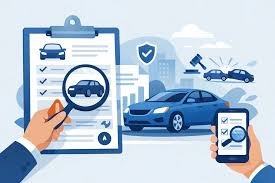
Owning a vehicle comes with several responsibilities that go beyond driving from one destination to another. Every vehicle has important information associated with it, including registration details, manufacturing information, insurance records, engine specifications, ownership history, and other identification data. Understanding these details helps vehicle owners manage their responsibilities more effectively and make informed decisions. Whether someone owns a motorcycle, scooter, car, or commercial vehicle, having access to accurate vehicle information can make everyday vehicle management easier.
Today, digital technology has made vehicle-related information more accessible than ever. People no longer need to depend entirely on physical documents or visit multiple offices to understand basic vehicle records. With the right information and authorized services, owners can check essential records and keep their documents organized. Learning how to know your vehicle details is therefore an important step toward responsible vehicle ownership. It helps individuals understand their vehicles, maintain legal compliance, and avoid unnecessary complications when purchasing, selling, or using a vehicle.
1. Understanding the Importance of Vehicle Information
Vehicle information plays an essential role in everyday transportation. Every registered vehicle has a unique identity that connects it with important records maintained by the relevant transport authorities. These records help identify the vehicle, establish registration status, and provide information about its technical specifications.
For vehicle owners, understanding these details is useful in several situations. For example, when renewing insurance, applying for certain transport services, or transferring ownership, accurate information becomes necessary. It also helps owners confirm that their documents contain consistent information. Keeping these records accessible can save time and reduce confusion during important transactions.
Another advantage is improved awareness of vehicle ownership responsibilities. When individuals understand their registration, insurance, and other records, they can manage renewals and documentation more efficiently. This knowledge also becomes valuable when purchasing a second-hand vehicle because buyers can compare the information provided by the seller with available official records.
2. What Information Can You Find About Your Vehicle?
A vehicle record may contain several important details depending on the registration system and the information made available through authorized services. These details help establish the identity and legal status of a particular vehicle.
Some commonly available vehicle details include:
-
Registration Number: The unique number assigned to a registered vehicle.
-
Registration Date: The date when the vehicle was officially registered.
-
Vehicle Class: Information identifying whether the vehicle is a car, motorcycle, commercial vehicle, or another category.
-
Manufacturer Information: The company responsible for producing the vehicle.
-
Model Details: The particular model or variant associated with the vehicle.
-
Fuel Type: Information about whether the vehicle uses petrol, diesel, CNG, electricity, or another fuel.
-
Insurance Status: Available information about the vehicle’s insurance validity.
-
PUC Information: Pollution Under Control certificate details, where available.
These records provide a useful overview of a vehicle’s identity and documentation. However, the information displayed may differ depending on the platform, registration authority, and applicable privacy restrictions.
3. How to Know Your Vehicle Details Online
Digital services have simplified the process of accessing vehicle information. In India, vehicle owners can use authorized government transportation platforms to check eligible registration information.
The process generally involves a few straightforward steps. First, identify the official service that provides vehicle-related information. Next, enter the required registration details in the appropriate section. Depending on the service, users may need to complete a verification process before accessing the available information.
After submitting the required details, the platform may display information associated with the registration number. Users should carefully review the available records and compare them with their physical documents.
It is important to use trusted and authorized platforms rather than unfamiliar websites that request unnecessary personal information. Vehicle records may contain sensitive details, so users should avoid sharing registration information, identification documents, or verification codes with unknown individuals.
4. The Role of Vehicle Registration Numbers
A registration number is one of the most important identification elements associated with a motor vehicle. It helps transport authorities distinguish one registered vehicle from another and connect the vehicle with its official records.
In India, vehicle registration numbers generally contain information related to the registering state or union territory, the regional transport office, and a unique combination of letters and numbers. This format makes it easier to identify the registration authority responsible for the vehicle.
Registration numbers are useful in many everyday situations. They are required for various transport-related services, insurance documentation, ownership transfers, and certain verification procedures. They can also help individuals check available registration information through authorized services.
Vehicle owners should ensure that their registration plates are clearly visible and comply with applicable regulations. Damaged, missing, or incorrectly displayed number plates can create unnecessary problems during traffic checks and other official procedures.
5. Why Vehicle Details Matter When Buying a Second-Hand Vehicle

Purchasing a used vehicle can be an affordable way to meet transportation needs. However, buyers should carefully examine the available records before completing a transaction. A vehicle may appear attractive from the outside while having documentation problems or an unclear ownership history.
Checking the available vehicle information helps buyers compare the registration number, manufacturer, model, fuel type, and other details with the information provided by the seller. Any mismatch should be investigated before making a payment.
Buyers should also examine the Registration Certificate, insurance documents, pollution certificate, and applicable transfer records. It is equally important to inspect the vehicle physically and arrange a professional mechanical assessment when necessary.
Another important consideration is checking whether the vehicle has outstanding loans or other restrictions that could affect ownership transfer. Official records and relevant financial documentation can help clarify these matters.
Understanding how to know your vehicle details before purchasing a used vehicle gives buyers a better starting point for making informed decisions. Nevertheless, registration information alone cannot establish the complete mechanical condition or accident history of a vehicle.
6. Understanding Your Vehicle’s Engine and Technical Specifications
Technical specifications provide important information about how a vehicle operates. These details are useful when selecting maintenance products, understanding performance, and comparing different models.
Some common technical specifications include engine capacity, transmission type, maximum power, torque, fuel efficiency, and vehicle weight. Electric vehicles may also include battery capacity, driving range, charging specifications, and motor output.
Engine capacity is generally measured in cubic centimetres for conventional vehicles. It provides an indication of engine size, although it does not independently determine overall performance. Power and torque are other important measurements that influence acceleration and driving characteristics.
Understanding these specifications helps owners select suitable engine oil, replacement components, and maintenance services. It also makes it easier to understand the manufacturer’s recommendations.
Vehicle owners should refer to the owner’s manual and official manufacturer documentation for accurate technical information. Guessing specifications based only on appearance or model names can lead to incorrect maintenance decisions.
7. Vehicle Insurance and Documentation
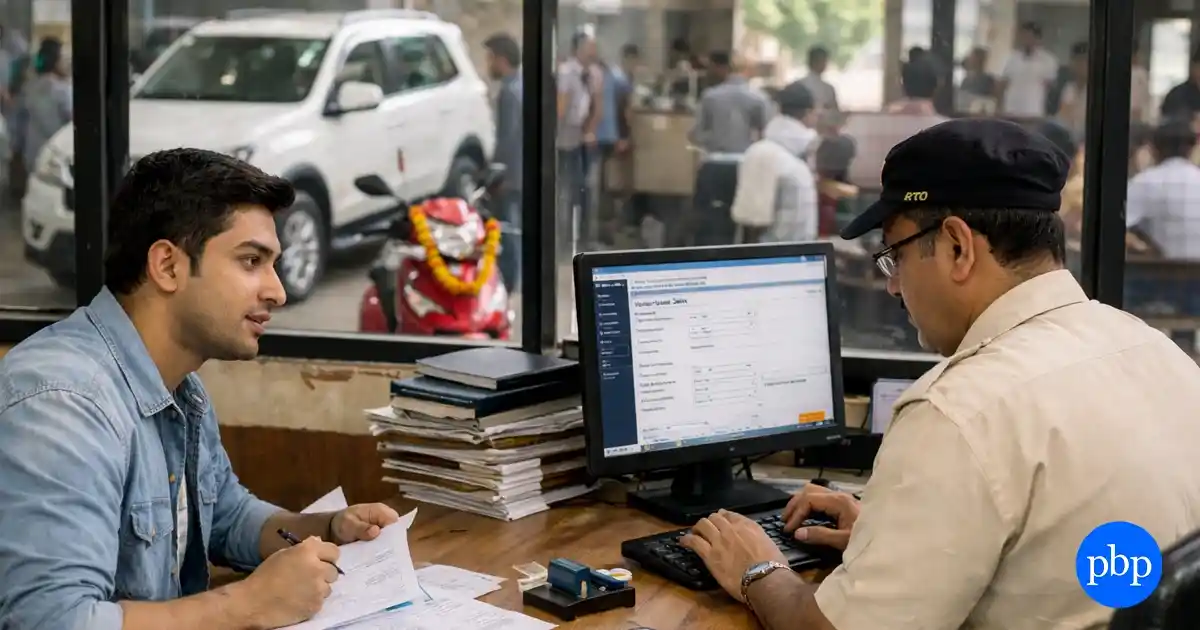
Insurance is an important part of responsible vehicle ownership. It provides financial protection against certain risks and helps vehicle owners meet applicable legal requirements.
In India, third-party motor insurance is generally mandatory for vehicles used on public roads. Comprehensive insurance policies may provide additional protection, depending on the coverage selected and the policy conditions.
Owners should regularly check their insurance documents to confirm the policy period, vehicle registration number, insured details, and coverage information. Any incorrect information should be corrected through the insurance provider.
Other important documents include the Registration Certificate, driving licence, and valid Pollution Under Control certificate, where applicable. Commercial vehicles may also require additional permits and fitness-related documentation.
Keeping digital copies of important documents can improve convenience, but vehicle owners should ensure that they use legally accepted document formats and authorized digital services. Organized documentation makes it easier to handle inspections, renewals, and unexpected situations.
8. How Digital Platforms Are Changing Vehicle Management
Technology has transformed the way people access transportation-related services. Previously, many vehicle-related activities involved physical paperwork, repeated office visits, and long waiting periods. Digital platforms have made several processes more convenient by allowing users to access information through computers and smartphones.
Government transportation services have introduced digital facilities for eligible vehicle-related activities. These may include registration information, licence services, document access, and application tracking.
Mobile applications have also contributed to this development. Vehicle owners can use suitable applications to organize maintenance reminders, monitor fuel expenses, store service records, and manage insurance renewal dates.
However, convenience should not come at the cost of privacy. Users should check whether an application is officially authorized before providing personal or vehicle-related information. They should also review permissions and avoid installing unknown applications that make unrealistic promises.
Digital tools are most useful when they support accurate information, secure access, and responsible vehicle management.
9. Common Mistakes to Avoid When Checking Vehicle Information
Although accessing vehicle records has become easier, users can still make mistakes that lead to confusion or incorrect conclusions.
One common mistake is entering an incorrect registration number. Even a small typing error may prevent users from finding the intended record. Therefore, registration details should always be checked carefully before submission.
Another mistake is depending on unofficial platforms without verifying their reliability. Some websites may display outdated information or request unnecessary personal details. Using authorized services is a safer approach.
People also sometimes assume that online registration information provides a complete vehicle history. This is not always true. Available records may not include every previous repair, accident, insurance claim, or ownership-related event.
Ignoring document renewal dates is another common problem. Vehicle owners should regularly review insurance, pollution certificates, and other applicable documents.
Finally, users should never share OTPs, passwords, or sensitive verification information with strangers. Protecting personal information is an important part of using digital transportation services safely.
10. Tips for Maintaining Accurate Vehicle Records
Maintaining organized vehicle records can make ownership easier and more convenient. A simple documentation routine helps individuals avoid last-minute difficulties and ensures that important information remains accessible.
Vehicle owners should keep their Registration Certificate, insurance policy, pollution certificate, purchase invoice, and service records in a secure location. Digital copies can provide an additional layer of convenience when physical documents are unavailable.
It is also helpful to maintain a record of regular servicing. Details such as oil changes, tyre replacements, battery maintenance, and major repairs can help owners understand the vehicle’s maintenance history.
Owners should update relevant records whenever required. For example, changes in ownership, address information, or other registration-related details may require official updates.
Regularly reviewing these documents helps identify mistakes early. It also makes it easier to prepare for insurance renewals, vehicle inspections, and resale transactions.
A well-maintained documentation system supports better planning and responsible ownership throughout the vehicle’s life.
11. The Benefits of Knowing Your Vehicle Details
Understanding vehicle information provides practical benefits for both new and experienced vehicle owners. It improves awareness, saves time, and helps individuals make more informed decisions.
One major benefit is convenience. When owners already know their registration information, insurance validity, and technical specifications, they can complete many routine tasks more efficiently.
Another advantage is improved financial planning. Maintenance records and technical information help owners understand servicing requirements and avoid unsuitable replacement parts. Insurance details also make it easier to plan renewals and evaluate available coverage options.
Vehicle information is equally important during resale. Buyers generally want to verify registration and documentation before purchasing a used vehicle. Owners who maintain accurate records can make the verification process easier.
Most importantly, having access to reliable information encourages responsible vehicle management. It allows owners to identify documentation issues, understand their obligations, and take timely action whenever necessary.
12. The Future of Digital Vehicle Information Services
The future of vehicle information management is likely to become increasingly connected and technology-driven. Improvements in digital identity systems, online government services, and vehicle connectivity may make certain transportation services more convenient.
Modern vehicles are already equipped with advanced technologies that can monitor performance, fuel consumption, battery conditions, and maintenance requirements. Electric vehicles are also introducing new types of information related to charging, battery health, and driving efficiency.
As digital services develop, vehicle owners may benefit from more integrated platforms that organize multiple records in one place. Such systems could make document management and maintenance planning easier.
At the same time, data security and privacy will remain important concerns. Service providers must protect personal information and ensure that vehicle-related records are accessed only through appropriate authorization.
For consumers, the best approach is to understand existing services while staying informed about new developments. Technology can improve convenience, but accurate records and responsible usage will always remain essential.
Conclusion
Understanding vehicle information is an important responsibility for every vehicle owner. From registration numbers and insurance records to technical specifications and maintenance documents, each detail contributes to better vehicle management. Having accurate information makes everyday tasks easier and helps individuals avoid unnecessary documentation problems.
Learning how to know your vehicle details also becomes valuable when purchasing a second-hand vehicle, renewing insurance, arranging maintenance, or transferring ownership. Digital transportation services have made accessing eligible information more convenient, but users should always prioritize official platforms and protect their personal data.
Ultimately, responsible vehicle ownership is about more than driving safely. It also involves maintaining accurate records, understanding legal requirements, and keeping important documents updated. By developing these habits, vehicle owners can manage their vehicles more confidently and enjoy a smoother ownership experience.