

Introduction
In today’s digital world, many important services allow people to submit applications online. Whether someone is applying for a government scheme, educational admission, a job, a scholarship, a financial service, or an official document, keeping track of the application is an essential part of the process. After submitting the required information and documents, applicants naturally want to know what happens next. This is where the option to know your application status becomes valuable. It helps individuals understand whether their application has been received, reviewed, approved, rejected, or is still being processed.
Checking an application status regularly can also reduce uncertainty and help applicants prepare for the next step. Instead of waiting without information, they can use available online portals and official communication channels to follow progress. Understanding different status messages, knowing where to check updates, and responding to requests on time can make the overall experience easier and more organized.
What Does Know Your Application Status Mean?
The phrase know your application status refers to checking the current progress of an application after it has been submitted to an organization, department, institution, or service provider. It allows applicants to see what stage their request has reached and whether any additional action is required. Most organizations provide an application tracking facility through their official websites, mobile applications, email notifications, or customer support services.
For example, someone who applies for a government certificate may want to confirm whether the application has reached the concerned department. Similarly, a student waiting for admission results may check whether their application is under review or whether a decision has been announced. These tracking facilities provide useful information and help applicants remain informed throughout the process.
Why Is Checking Application Status Important?
Checking application progress is important because submitting an application does not always mean that the process is complete. Many applications require document verification, eligibility checks, administrative reviews, or approval from different authorities. Without checking updates, applicants may miss important notifications or deadlines.
Regular tracking also helps identify problems at an early stage. For instance, an application may remain incomplete because a document is missing or some information needs correction. If the applicant checks the status regularly, they can identify the issue and take corrective action before it causes further delays.
Another benefit is better planning. People applying for jobs, educational programs, financial assistance, or government services often need to make decisions based on the outcome. Knowing the current progress helps them organize their time and prepare for possible next steps.
Different Types of Application Status Messages
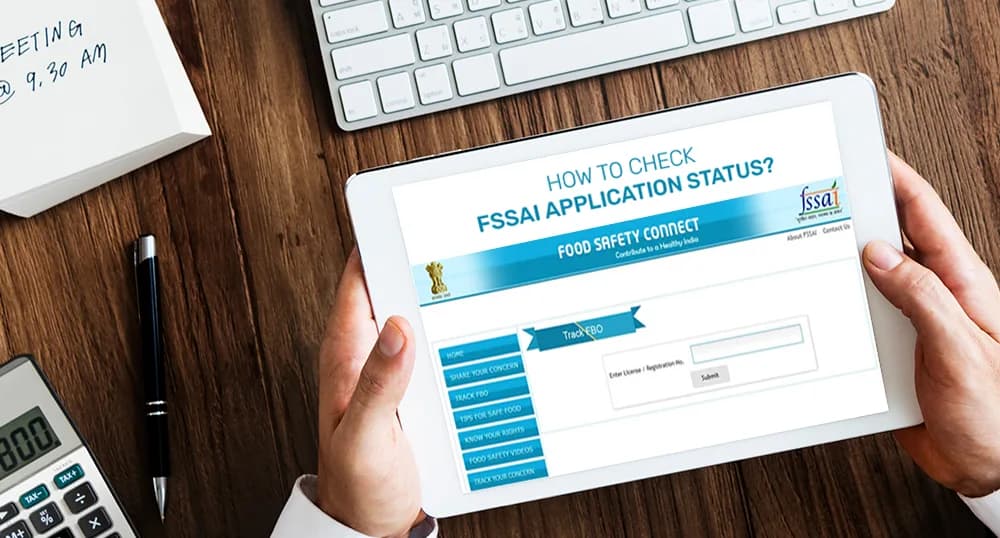
When applicants use an online tracking facility, they may encounter different status messages. Each message represents a particular stage in the application process. Understanding these terms helps avoid confusion.
1. Application Submitted
This message generally indicates that the application form has been successfully submitted through the official platform. It confirms that the system has received the information, although detailed verification may not have started yet.
2. Under Review
An under-review status means that the concerned organization is examining the application. Officials may be checking the submitted information, eligibility requirements, supporting documents, and other relevant details.
3. Pending Verification
This status usually indicates that additional verification is required before the application can move forward. The organization may need to confirm personal information, educational qualifications, identity documents, or other submitted details.
4. Additional Information Required
Sometimes an application cannot proceed because certain documents or details are missing. In such situations, the applicant may receive a notification requesting additional information. Submitting the requested details within the given deadline is important.
5. Approved
An approved status generally means that the application has successfully passed the required review process. However, applicants should check whether any further formalities, payments, appointments, or document collection steps remain.
6. Rejected
A rejected status indicates that the application has not been accepted. Depending on the organization’s rules, applicants may be able to understand the reason, correct an issue, appeal the decision, or submit a fresh application.
How to Check Your Application Status Online
Online tracking has made it easier for applicants to receive updates without visiting an office. Most modern organizations provide dedicated portals where users can check application progress using a reference number or registration details.
The first step is to visit the official website of the organization where the application was submitted. Applicants should avoid unofficial websites because they may provide incorrect information or request unnecessary personal details.
Next, locate the section related to application tracking, application status, or check your application. Depending on the platform, users may need to enter an application number, registration ID, date of birth, registered mobile number, or another verification detail.
After entering the required information, submit the details and review the displayed result. If the portal provides a downloadable acknowledgment or status report, applicants can save a copy for future reference. This simple process makes it easier to know your application status whenever an official update becomes available.
Important Details Required for Application Tracking
Before opening an application tracking portal, it is useful to keep certain information ready. These details help the system identify the correct application and provide accurate results.
Commonly required information includes:
-
Application Reference Number: A unique number generated after submitting an application.
-
Registration ID: An identification number associated with the applicant’s account.
-
Registered Mobile Number: The phone number used during registration.
-
Date of Birth: Some platforms use this information for identity verification.
-
Email Address: Certain services send verification codes or tracking notifications through email.
Not every platform requires all these details. Applicants should follow the instructions provided on the official website and avoid sharing confidential information with unknown individuals.
Common Reasons Why Application Status Does Not Update
Many applicants become concerned when their application status remains unchanged for several days or weeks. However, a delayed update does not necessarily mean that the application has been rejected or cancelled. Several factors can affect processing time.
One common reason is a high volume of applications. During admission periods, recruitment drives, government scheme registrations, or examination seasons, organizations may receive thousands of applications. Processing each request takes time.
Another possible reason is document verification. If the submitted documents require manual examination, the process may take longer than expected. Technical issues, incomplete information, public holidays, and administrative delays can also affect progress.
Applicants should first check the official processing timeline before becoming concerned. If the expected period has passed, contacting the relevant department through its official support channel is a sensible next step.
How to Solve Common Application Tracking Problems
Sometimes applicants experience difficulties while trying to access their application details. The website may not load, the application number may appear invalid, or the tracking page may display outdated information. These problems can often be resolved through a few basic steps.
First, carefully verify the application number and other information entered into the portal. Even a small typing mistake can prevent the system from finding the correct record. If the problem continues, try accessing the website through another browser or device.
Applicants can also check whether the official portal has announced scheduled maintenance or technical difficulties. Clearing browser cache or refreshing the page may help with temporary loading problems.
If none of these steps works, contact the organization’s official helpdesk. Keep the application acknowledgment, registration details, and relevant communication available so the support team can investigate the issue more efficiently.
Benefits of Digital Application Tracking
Digital application tracking offers several advantages for both applicants and organizations. One of its biggest benefits is convenience. People can check progress from their homes without repeatedly visiting government offices, educational institutions, or company branches.
Another advantage is transparency. When organizations display different processing stages, applicants gain a clearer understanding of what is happening with their requests. This can reduce unnecessary inquiries and improve communication.
Digital tracking can also save time and resources. Automated systems allow organizations to manage large numbers of applications more efficiently. Notifications through email and SMS can inform users about important developments without requiring them to check the portal continuously.
Furthermore, online records make it easier for applicants to maintain documentation. They can save acknowledgment receipts, reference numbers, and status updates for future use.
Safety Tips While Checking Application Status
Although online tracking is convenient, applicants should always protect their personal information. Application portals may contain sensitive details, including identification numbers, contact information, educational records, and financial information.
Always use the official website or authorized mobile application. Check the website address carefully before entering personal information. Avoid clicking unknown links received through unsolicited messages or emails.
Never share passwords, one-time passwords, or account verification codes with strangers claiming to provide application assistance. Genuine organizations generally do not require applicants to disclose confidential login credentials over phone calls or social media messages.
It is also advisable to avoid checking sensitive application information through public computers or unsecured networks. If using a shared device, log out after completing the process and avoid saving passwords.
These precautions help applicants protect their information while using online services.
What Should You Do After Your Application Is Approved?
Receiving an approval notification is an important milestone, but applicants should not assume that every requirement has been completed. Depending on the application type, additional steps may be necessary.
For educational admissions, students may need to confirm their seats, pay admission fees, or submit original documents. Job applicants may receive interview schedules, joining instructions, or requests for further verification.
For government services, approval may be followed by certificate generation, document collection, or delivery. Financial applications may require additional formalities before the service becomes active.
Therefore, applicants should carefully read the approval message and follow the instructions provided by the organization. Keeping a copy of the approval notification can also be useful for future reference.
Best Practices for Managing Multiple Applications
People sometimes submit several applications at the same time. For example, a student may apply to multiple colleges, while a job seeker may submit applications to different companies. Managing all these requests can become confusing without proper organization.
A simple tracking record can make the process easier. Applicants can maintain a personal document containing application names, submission dates, reference numbers, expected response dates, and the latest updates.
It is also helpful to use separate folders for important documents and acknowledgment receipts. Checking registered email accounts regularly ensures that important notifications are not overlooked.
Setting reminders for deadlines and follow-ups can further improve application management. These habits make it easier to know your application status without repeatedly searching through old messages or documents.
The Future of Online Application Tracking
Technology continues to improve the way organizations handle applications. Modern digital platforms increasingly use automation, artificial intelligence, and secure databases to simplify administrative processes.
In the future, applicants may receive more personalized updates through integrated dashboards and automated notifications. These systems could provide clearer explanations of pending requirements, expected processing stages, and possible next actions.
Mobile-friendly services are also becoming increasingly important because many people prefer managing official activities through smartphones. Improved accessibility can help individuals in different locations use digital services more conveniently.
However, technology must be supported by strong security practices, accurate information, and reliable customer support. A useful tracking system should not only display updates but also help applicants understand what those updates mean.
Frequently Asked Questions (FAQs)
1. How can I know my application status online?
You can check your application status by visiting the official website of the organization where you submitted your application. Open the tracking section and enter the required reference number or registration details to view the latest update.
2. What should I do if my application status is pending?
A pending status usually means that the application is still being processed. Check the official processing timeline and look for any requests for additional documents. If the expected period has passed, contact the relevant department.
3. Can I check my application status using my mobile phone?
Yes. Most modern application tracking portals are accessible through smartphones. You can open the official website using a mobile browser or use an authorized application if one is available.
4. Why is my application number showing as invalid?
An invalid application number may result from typing mistakes, incorrect registration details, or a temporary technical issue. Verify the information using your acknowledgment receipt and contact official support if the problem continues.
5. Does an application submitted message mean approval?
No. An application submitted message generally confirms that the organization has received your request. It does not mean that the application has been reviewed or approved. You must wait for the official decision.
Conclusion
Understanding the application tracking process is important for anyone using online services for education, employment, government facilities, financial products, or official documentation. Checking updates regularly helps applicants stay informed, identify missing information, resolve technical problems, and prepare for the next stage.
The ability to know your application status provides greater convenience and transparency throughout the application journey. However, applicants should always use official platforms, protect their personal information, and carefully follow the instructions provided by the concerned organization.
By keeping reference numbers safe, checking notifications regularly, and responding promptly to verification requests, individuals can manage their applications more effectively. Whether an application is submitted, pending, under review, approved, or rejected, understanding its current position makes the entire process easier to handle.