
Introduction
A blood clot in a deep vein of the leg is known as deep vein thrombosis, or DVT. It can develop when blood forms a clot inside one of the deeper veins, most commonly in the calf or thigh. Recognizing possible warning signs is important because a clot can sometimes become larger or travel through the bloodstream to the lungs, causing a pulmonary embolism. However, DVT can also occur without noticeable symptoms, which means that feeling normal does not always rule it out. People often ask, how do you know if you have a blood clot in your leg, especially when they notice unexplained swelling, pain, warmth, or a change in skin color. These symptoms can have several other causes, so they should not be used to diagnose a clot by themselves.
What Is a Blood Clot in the Leg?
A deep vein thrombosis occurs when a blood clot develops in a deep vein, usually in the lower limb. Unlike a small clot close to the surface of the skin, a DVT develops deeper inside the venous system. The condition matters because part of the clot can potentially break away and travel to the lungs. When a clot blocks blood flow in the lungs, it is called a pulmonary embolism, which can be life-threatening and requires immediate medical attention.
DVT does not always produce obvious symptoms. According to the CDC, about half of people with DVT may have no symptoms at all. When symptoms do appear, they commonly involve swelling, pain or tenderness, warmth, and redness or discoloration in the affected area. This is why knowing the warning signs and understanding personal risk factors can be more useful than trying to identify a clot based on one symptom alone.
Swelling in One Leg
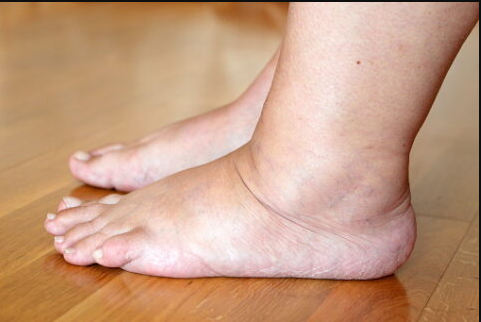
One of the most noticeable warning signs of a possible DVT is swelling in one leg. The swelling may develop in the calf, ankle, thigh, or a larger portion of the leg. It can appear relatively suddenly and may be more noticeable when compared with the unaffected leg. Swelling occurs because a clot can interfere with normal blood flow through the affected vein.
If you suddenly develop unexplained swelling in one leg, especially when it occurs together with pain, warmth, or skin discoloration, it is important to seek medical advice promptly. Swelling does not automatically mean you have a blood clot because injuries, infections, inflammation, and other conditions can produce similar symptoms. However, unexplained one-sided swelling is a symptom that should not simply be ignored.
Pain or Tenderness in the Leg
Pain or tenderness is another common sign associated with DVT. Some people describe the discomfort as an aching, cramping, or throbbing sensation, particularly in the calf or thigh. The discomfort may become more noticeable when standing or walking, although the exact experience can vary from person to person.
When thinking about how do you know if you have a blood clot in your leg, unexplained pain is more concerning when it appears alongside other symptoms such as swelling, warmth, or a change in skin color. Pain alone is not enough to establish that a clot exists. Muscle strain, exercise, injury, nerve problems, arthritis, and other conditions can also cause leg discomfort. For this reason, new or unexplained leg pain should be evaluated according to its severity, duration, associated symptoms, and your individual risk factors.
Warmth or Changes in Skin Color
The skin over an affected area may feel warmer than the surrounding skin. Redness or another change in skin color can also occur. These changes may be caused by inflammation associated with a clot and altered blood flow through the affected vein.
Warmth and discoloration are more significant when they occur with swelling or unexplained pain. Still, they are not unique to DVT. Skin infections, injuries, inflammation, and other medical conditions can produce similar changes. Therefore, someone should not assume that warmth or redness proves the presence of a blood clot.
If you notice a combination of swelling, tenderness, warmth, and discoloration in one leg, contact a healthcare professional promptly for assessment.
Can a Blood Clot Have No Symptoms?
Yes. This is an important point when learning how do you know if you have a blood clot in your leg. Some people with DVT have few symptoms or none at all. The absence of pain or swelling therefore does not guarantee that a person does not have a clot.
This is one reason doctors consider both symptoms and risk factors when evaluating suspected DVT. Someone who recently had major surgery or spent a long period with limited movement may have a different level of concern than someone without known risk factors. Medical professionals may use clinical assessment together with laboratory or imaging tests to determine whether a clot is present.
Because DVT can be silent, people should pay attention to changes in their health and discuss concerns with a healthcare professional rather than relying entirely on symptoms.
Risk Factors for a Blood Clot
Certain circumstances can increase the likelihood of developing DVT. Reduced movement is an important factor because remaining still for long periods can slow blood flow in the veins. This can happen during hospitalization, recovery after surgery, prolonged travel, or extended periods of sitting.
Other factors can also increase risk, including previous blood clots, some cancers and cancer treatments, pregnancy and the period after giving birth, certain hormone medicines, obesity, and some conditions that make blood more likely to clot. Age can also influence risk. Having a family history of blood clots may be another relevant consideration.
Having a risk factor does not mean that someone definitely has a blood clot. It simply means that symptoms may deserve more careful attention.
Recent Travel and Prolonged Sitting
Long periods of sitting can increase the risk of blood clots because the legs remain relatively inactive. This can be relevant during long-distance travel, especially when movement is limited for many hours. However, travel alone does not mean a person has DVT.
After a long trip, unexplained swelling, pain or tenderness, warmth, or discoloration in a leg should be taken seriously, particularly if the symptoms are new. People who have additional risk factors may need to be especially attentive.
The CDC notes that DVT symptoms can include swelling, unexplained pain or tenderness, warmth, and redness or discoloration. If these symptoms occur, medical evaluation should be sought rather than assuming that they are simply the result of sitting or traveling.
How Doctors Diagnose a Blood Clot
Symptoms alone cannot confirm DVT. When a healthcare professional suspects a blood clot, they may consider the person’s symptoms, medical history, risk factors, and physical examination before deciding which tests are appropriate.
Duplex ultrasonography is the standard imaging test used to diagnose DVT. It uses sound waves to examine blood flow through the veins and can identify blockages or clots in deep veins. A D-dimer blood test may also be used in appropriate situations. A negative D-dimer can make DVT less likely in certain patients, but test selection depends on the clinical situation.
This is why searching for symptoms online can provide useful information but cannot replace professional evaluation. If a DVT is suspected, timely diagnosis is important because treatment can reduce the risk of complications.
Why You Should Not Try to Diagnose It Yourself
People sometimes try to determine whether they have DVT by pressing the leg, comparing the size of both legs, checking skin color, or performing movements at home. These observations may help someone notice that something has changed, but they cannot confirm whether a clot is present.
There is also no reliable home method that can safely rule out DVT based solely on symptoms. A person may have several symptoms and not have a clot, while another person may have very few symptoms and still have one. This uncertainty is particularly important because untreated DVT can potentially lead to pulmonary embolism.
If you are wondering how do you know if you have a blood clot in your leg, the safest answer is that symptoms can raise suspicion, but appropriate medical assessment is needed for confirmation.
When a Blood Clot Becomes an Emergency
A DVT can become especially dangerous if a piece of the clot travels to the lungs and causes a pulmonary embolism. Warning signs can include sudden difficulty breathing, chest pain or discomfort that may become worse with deep breathing or coughing, a rapid or irregular heartbeat, coughing up blood, severe lightheadedness, or fainting.
These symptoms require emergency medical attention. A pulmonary embolism can occur even when a person has not noticed typical DVT symptoms in the leg. The CDC specifically advises seeking immediate medical help when symptoms suggest pulmonary embolism.
If someone has severe difficulty breathing, significant chest pain, collapses, or coughs up blood, they should seek emergency care immediately rather than waiting to see whether the symptoms disappear.
DVT Symptoms Compared With Other Leg Problems
Leg pain and swelling can happen for many reasons, so it is important not to assume that every painful or swollen leg contains a clot. A muscle strain may cause pain after exercise, while an injury can produce swelling and tenderness around the affected area. Skin infections can cause redness and warmth, while joint problems can produce pain and restricted movement.
The pattern of symptoms can provide useful information, but it cannot reliably distinguish DVT from other conditions without medical assessment. A healthcare professional may need to consider the timing of symptoms, recent activity, injuries, medications, medical conditions, and other risk factors.
For this reason, a new unexplained combination of swelling, pain, warmth, or discoloration deserves medical attention rather than self-diagnosis.
What to Do if You Suspect a Blood Clot
If you develop new unexplained swelling, pain or tenderness, warmth, or discoloration in one leg, contact a healthcare professional as soon as possible. Explain when the symptoms began and mention any relevant risk factors, such as recent surgery, hospitalization, prolonged immobility, long travel, pregnancy, previous DVT, or a family history of blood clots.
Do not rely on an online symptom checker to rule out a clot. A healthcare professional can determine whether urgent testing is appropriate. If you develop symptoms that could indicate a pulmonary embolism, such as sudden shortness of breath or chest pain, seek emergency medical care immediately.
Frequently Asked Questions
Can you have a blood clot without swelling?
Yes. DVT does not always cause noticeable symptoms. Some people may have no obvious signs, which is why risk factors and medical assessment are important when DVT is suspected.
Does leg pain always mean a blood clot?
No. Leg pain can result from many conditions, including muscle injuries, joint problems, nerve issues, and inflammation. Pain becomes more concerning when it is unexplained and occurs with other possible DVT symptoms.
Can you check for DVT at home?
You can observe symptoms such as swelling, pain, warmth, and skin discoloration, but you cannot reliably confirm or rule out DVT at home. Medical evaluation and appropriate testing are needed for diagnosis.
Which test is commonly used for DVT?
Duplex ultrasonography is the standard imaging test used to identify DVT. Depending on the situation, a healthcare professional may also use a D-dimer blood test or other investigations.
What symptoms mean a blood clot may have reached the lungs?
Sudden difficulty breathing, chest pain, rapid or irregular heartbeat, coughing up blood, severe lightheadedness, or fainting can be warning signs of pulmonary embolism and require immediate medical attention.
Conclusion
Understanding how do you know if you have a blood clot in your leg starts with recognizing the common warning signs. Swelling, unexplained pain or tenderness, warmth, and redness or discoloration can occur with DVT, particularly when several symptoms appear together in one leg. However, some people have no symptoms, and many other conditions can cause similar complaints.
The most reliable way to determine whether a DVT is present is through appropriate medical evaluation and diagnostic testing, commonly including duplex ultrasound. If you notice new or unexplained symptoms, especially when you have known risk factors, seek medical advice promptly rather than attempting to diagnose yourself.
Most importantly, watch for emergency warning signs. Sudden shortness of breath, chest pain, coughing up blood, rapid heartbeat, severe lightheadedness, or fainting may indicate a pulmonary embolism and require immediate emergency care.