
Introduction
Knowing your natural skin tone can make many everyday beauty and fashion choices easier. It can help you select a foundation, concealer, lipstick, clothing color, jewelry, or sunscreen shade that works well with your complexion. However, determining skin tone is not always as simple as looking at your face in a mirror because lighting, tanning, redness, and temporary pigmentation can change how the skin appears. Understanding the difference between skin tone and undertone is therefore an important first step when learning how to know your skin tone.
Skin tone generally describes how light or deep the surface color of your skin appears, while undertone refers to the subtle hue beneath the surface. The American Academy of Dermatology notes that undertone is the hue underneath the skin’s surface and can affect the overall appearance of the skin. Once you understand both characteristics, it becomes easier to make more informed choices about cosmetic and clothing shades without relying entirely on guesswork.
What Is Skin Tone?
Skin tone refers to the visible color of your skin. It can range across a broad spectrum, from very light to deep, with many shades between these descriptions. Skin tone is influenced by factors including melanin, genetics, sun exposure, and other biological characteristics. It can also appear somewhat different depending on the season or how much time you spend outdoors.
It is important to remember that skin tone is not a fixed label that perfectly describes every part of the body. Your face, neck, arms, and hands may have slightly different colors. Sun exposure can make certain areas darker, while areas that are usually covered may appear lighter. For makeup matching, the face and neck should be considered together rather than focusing on one small area.
Skin Tone vs. Undertone
One of the most important concepts when learning how to know your skin tone is understanding the difference between tone and undertone. Your tone is the color you can see on the surface, while your undertone is the subtle hue beneath the surface. Two people can have a similar overall skin tone while having different undertones.
Undertones are commonly described as cool, warm, or neutral. Some people may also notice olive characteristics, which can be particularly useful when selecting foundation shades. Unlike surface tone, an undertone tends to remain relatively consistent even when the skin becomes temporarily lighter or darker because of sun exposure. This distinction explains why a foundation that appears suitable based only on surface color may still look too pink, yellow, orange, or gray after application.
Why Natural Lighting Matters
Lighting can significantly affect the way skin color appears. Artificial lighting may make skin look warmer, cooler, brighter, or darker than it actually is. This can make it difficult to determine your natural complexion accurately.
When trying to understand how to know your skin tone, examine your skin under bright, natural light when possible. The American Academy of Dermatology recommends good lighting, particularly natural light, when accurately viewing skin color and texture. A window with indirect daylight can be useful because harsh direct sunlight may create strong shadows and make color assessment less reliable.
Try to examine clean skin without heavy makeup, strong filters, or colored lighting. Comparing the skin around the jawline and neck can also provide a more useful reference than looking only at the cheeks.
Checking Your Wrist and Veins
A commonly used method for estimating undertone involves looking at the veins around your wrist. Under suitable natural lighting, some people may see veins that appear more blue or purple, while others may notice greener-looking veins. A mixture of appearances can suggest a neutral undertone.
This method should not be treated as a scientific test or a guaranteed answer. Vein visibility varies between people, and skin depth, lighting, and individual anatomy can affect what you see. It is better to use the vein method alongside other observations rather than making your entire decision based on it.
If the results appear unclear, that does not mean anything is wrong. Undertones can be subtle, and many people do not fit neatly into one category.
The White and Cream Clothing Test
Another simple approach is to compare how your skin looks beside white and cream-colored materials. Hold a clean white shirt or piece of fabric near your face and then compare it with a cream or off-white material under natural light.
Some people find that one shade makes their complexion look more balanced, while the other may emphasize certain tones. This can provide an additional clue about whether your undertone appears warmer, cooler, or more neutral.
Again, the test should be viewed as a guide rather than an exact measurement. The color of your surroundings, lighting, and even the colors you are already wearing can influence your perception. Combining several tests usually produces a more useful result.
Understanding Warm Undertones
Warm undertones are often described as having subtle golden, yellow, peach, or warm-looking characteristics. People with warm undertones may find that certain golden or earthy shades complement their complexion particularly well.
When selecting makeup, warm undertones can sometimes work well with foundations that have yellow, golden, or peach-based descriptions. Clothing colors such as warm browns, earthy greens, coral, and certain oranges may also appear harmonious.
However, there is no universal rule saying that someone with a warm undertone must wear only warm colors. Personal preference remains important. The purpose of identifying an undertone is to provide another useful reference when comparing options, not to create strict beauty rules.
Understanding Cool Undertones
Cool undertones are commonly associated with pink, red, bluish, or rosy characteristics beneath the skin’s surface. People with cool undertones may find that certain cool-toned shades create a balanced appearance.
For makeup, descriptions such as cool, rosy, or pink-based can sometimes provide useful starting points when comparing foundation shades. Clothing colors such as blue, lavender, certain pinks, and jewel tones may also complement cool undertones.
As with warm undertones, these suggestions are not absolute. Skin can have complex coloring, and individual preferences can make a bigger difference than generalized color categories.
Understanding Neutral Undertones
Neutral undertones generally fall somewhere between warm and cool characteristics. A person with a neutral undertone may notice that both warm and cool colors appear reasonably natural against their skin.
Neutral undertones can make shade selection somewhat easier because a broader range of colors may look balanced. However, this does not mean every foundation will automatically match. The depth of the skin tone still matters, as does the specific formula and color of the cosmetic product.
If several undertone tests give mixed results, you may have a neutral undertone or a more subtle variation. Trying actual product samples on the jawline can provide a more reliable practical comparison than relying only on online descriptions.
What Is an Olive Undertone?
Olive undertones can have a subtle green, golden, or muted appearance. They may be especially difficult to identify because some standard warm or cool foundation categories can look too yellow, pink, orange, or gray on olive skin.
People with olive undertones may find that foundations described specifically for olive complexions provide a better match. However, product descriptions vary between brands, so testing shades remains useful.
If you repeatedly find that warm foundations look too orange and cool foundations look too pink, an olive or neutral-olive undertone may be worth considering. This does not provide a definitive diagnosis, but it can help narrow down the range of shades worth testing.
How to Know Your Skin Tone for Foundation
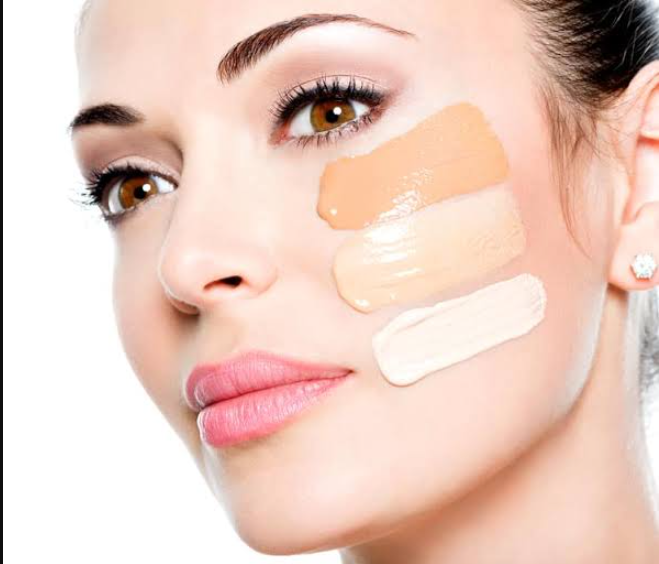
Learning how to know your skin tone becomes especially useful when selecting foundation. Instead of matching foundation to your hand or wrist alone, compare it with the area around your jaw and lower cheek. The goal is to find a shade that blends naturally into both the face and neck.
Try a small amount of several nearby shades rather than testing only one. Allow the product to settle according to the manufacturer’s instructions, then examine it under natural lighting. A shade that disappears into the skin rather than appearing noticeably lighter, darker, pinker, or yellower is generally a better starting match.
Remember that different brands may use different shade systems. A shade labeled “medium” by one brand may look different from a “medium” shade from another company.
How to Choose Concealer
Concealer selection depends on what you are trying to achieve. A concealer intended to cover blemishes may be chosen close to your natural skin tone, while an under-eye concealer may sometimes be selected with slightly different considerations.
The depth and undertone should still be considered. If the concealer is dramatically different from your complexion, it may draw attention to the area instead of creating a natural appearance.
Testing the product in natural lighting can help. Heavy indoor lighting can hide differences that become obvious outdoors. If possible, compare the shade against your jaw or another appropriate area rather than relying entirely on the color shown on a screen.
Choosing Clothing Colors
Understanding how to know your skin tone can also help when experimenting with clothing colors. Warm, cool, neutral, and olive undertones may respond differently to particular color families, although personal style remains the most important consideration.
Instead of following strict color rules, try comparing several shades near your face. Notice whether the color makes your complexion appear balanced and natural or whether it emphasizes unwanted dullness or unevenness. This approach can be more useful than assuming a certain color category will always work.
Remember that contrast matters too. Someone may look excellent in a color that does not technically match their undertone because the contrast creates an attractive overall effect.
Choosing Jewelry Colors
Jewelry is another area where undertone information can be useful. Gold, silver, rose gold, and mixed-metal jewelry can create different visual effects against the skin.
People with warm undertones may enjoy the appearance of gold, while cool undertones may complement silver or platinum-style metals. Neutral undertones can often work well with both. These are simply traditional styling guidelines rather than fixed rules.
The best test is personal observation. Place different metal colors near your face in natural light and compare them. The one that makes your complexion look balanced and comfortable may be the most suitable choice regardless of a generalized undertone category.
Why Skin Tone Can Change Over Time
Your natural skin appearance can change temporarily because of sun exposure, tanning, seasonal differences, dryness, inflammation, or other factors. This is one reason why a cosmetic match that looked perfect several months ago may not look exactly the same later.
Sun exposure can alter pigmentation, and the American Academy of Dermatology emphasizes that UV exposure can contribute to changes such as dark spots and other pigmentation concerns. Protecting your skin from excessive UV exposure is therefore important regardless of whether your complexion is light, medium, or deep.
If you notice a sudden or unusual color change rather than a normal seasonal variation, it should not simply be treated as a cosmetic issue.
Common Mistakes When Identifying Skin Tone
One common mistake is testing skin color under artificial lighting. Another is matching foundation to the hand instead of the jaw or neck. Hands can have a different level of sun exposure and may not accurately represent the area where makeup will be worn.
Another mistake is assuming that everyone belongs clearly to one undertone category. Human skin has considerable variation, and some people may have subtle or mixed characteristics. Online filters and smartphone cameras can also alter colors, making digital comparisons unreliable.
If you are choosing a product online, use brand shade descriptions as a starting point but remember that screen displays can differ from real-world colors.
A Simple Skin Tone Checklist
When learning how to know your skin tone, consider several observations together:
- Examine your skin under natural, balanced lighting.
- Identify your overall surface depth separately from your undertone.
- Compare warm, cool, and neutral characteristics rather than relying on one test.
- Test makeup shades around the jawline when possible.
- Recheck your match if your skin changes significantly with seasons or sun exposure.
Using several clues together is usually more reliable than depending on a single popular test.
When to Seek Professional Advice
Identifying your cosmetic skin tone is different from evaluating a medical change in skin color. If you notice a new, persistent, unusual, or changing patch, spot, or area of discoloration, it should not simply be assumed to be an undertone difference.
The American Academy of Dermatology notes that skin changes can sometimes provide important health clues and that skin conditions can appear differently across different skin tones. A dermatologist can assess unusual changes more accurately than an online color guide.
This is particularly important if a spot is changing, growing, bleeding, itching, or failing to heal. Such changes warrant professional evaluation rather than relying on cosmetic color categories.
Frequently Asked Questions
What is the easiest way to know your skin tone?
Start by examining your skin in natural lighting and determine its overall depth. Then consider your undertone using several clues, such as how your skin looks beside white and cream colors and how different makeup shades appear against your jawline.
What are the main skin undertones?
The most commonly used categories are warm, cool, and neutral. Some people also identify with olive undertones, which can have a muted green or golden quality.
Can skin tone change?
Yes. Surface appearance can change because of sun exposure, tanning, seasonal changes, and other factors. Your underlying undertone is generally considered more stable than your surface color.
Should foundation match the hand or face?
The jawline is generally more useful for foundation matching because it can provide a better transition between the face and neck. Testing under natural lighting can also improve the comparison.
Can I determine my undertone from veins alone?
Vein color can provide a clue, but it should not be treated as a definitive test. Combining several observations gives you a better basis for choosing cosmetic shades.
Conclusion
Learning how to know your skin tone becomes much easier when you separate overall skin tone from undertone and examine both under suitable lighting. Your surface tone describes the visible depth of your complexion, while your undertone provides a subtler color characteristic beneath the surface. Warm, cool, neutral, and olive descriptions can offer useful starting points when choosing makeup, clothing, and jewelry.
The most practical approach is to combine several clues rather than relying on a single test. Natural lighting, jawline comparisons, clothing colors, and different cosmetic samples can all help you understand what works best. Remember that these categories are guides rather than strict rules, and personal preference remains important. If you notice unusual or persistent changes in your skin rather than simply trying to identify your natural shade, professional dermatological advice is more appropriate. With a little observation and testing, how to know your skin tone can become a simple and useful part of choosing products and colors that suit you.