
Introduction
Online applications have made it easier for people to apply for government services, scholarships, certificates, licenses, registrations, and other facilities without visiting an office repeatedly. However, submitting an application is only the beginning. Applicants usually want to know whether their form has been received, whether documents have been verified, whether additional information is required, or whether the application has been approved. This is why the ability to know your application status has become an important part of many digital services.
Application tracking systems allow users to follow the progress of submitted requests using information such as an application number, reference number, submission date, registered mobile number, or other identifying details. For example, India’s ServicePlus platform allows applicants to track an application using an Application Reference Number and submission date, while registered users can also access tracking through their account dashboard. Understanding how these systems work can help applicants avoid unnecessary delays and respond quickly when an authority requests additional information.
What Does Application Status Mean?
Application status is a digital indication of where a submitted application currently stands in the processing procedure. After a form is submitted, it may pass through several stages before a final decision is reached. The exact names used for these stages differ between departments and portals, but the general purpose is to show applicants what is happening with their request.
A status may indicate that an application has been received, is under review, is awaiting documents, requires clarification, has been approved, or has been rejected. Some portals also provide a progress history showing actions taken by officials. For example, the National Single Window System describes statuses such as Initiated, Applied, Clarification Raised, Rejected, and Approved. Therefore, knowing the meaning of each status can be just as important as checking it.
Why Should You Know Your Application Status?
Regularly checking an application can help applicants identify problems before they become larger issues. If an authority requests an additional document or clarification, a person who checks the application regularly can respond promptly. Ignoring the application after submission could result in missed deadlines or unnecessary delays.
Status tracking also provides reassurance that the application has entered the relevant system. Instead of repeatedly visiting an office or making phone calls, applicants can often use an online dashboard to see whether their request is being processed. Some government systems also provide notifications through SMS or email when an action takes place. A Rajasthan government application manual, for example, describes status updates and notifications for actions taken on an application.
Information Required to Track an Application
The information required to track an application depends on the service provider. In many cases, applicants receive an application reference number or acknowledgement number immediately after submission. This number should be saved carefully because it may be required for future status checks.
Some portals may additionally request the application submission date, registered mobile number, email address, date of birth, OTP, or other application details. ServicePlus, for example, provides application tracking using an Application Reference Number and submission date and also provides an OTP/application-details option on its tracking interface.
Applicants should avoid sharing confidential information with unknown individuals claiming to provide status-checking services. Tracking should generally be performed through the relevant official portal or authorized application.
How to Know Your Application Status Online
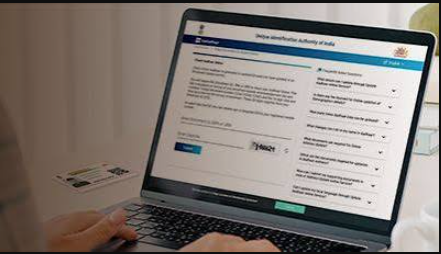
The process for checking an application generally begins by identifying the official website or application through which the original form was submitted. Once the correct platform is found, users can look for options such as “Track Application,” “Application Status,” “Check Status,” “Track Your Application,” or a similar feature.
The applicant may then be asked to enter a reference number or other details. After submitting the required information and completing any verification step, the system normally displays the current status. On ServicePlus, applicants can select the tracking option from the homepage and use their reference number and submission date, or registered users can access “View Status of Application” after logging in.
Understanding Common Application Statuses
Different portals use different terminology, but several status categories appear frequently. “Submitted” or “Applied” usually means the application has been successfully entered into the system. It does not necessarily mean that the application has already been approved.
“Under Process,” “Under Review,” or “In Progress” generally indicates that the application is being processed. The exact processing time can vary depending on the service, department, workload, and whether verification is required. ServicePlus currently displays categories such as applications delivered, rejected, and under process in its service statistics.
“Clarification Required” or a similar message can mean that the applicant needs to provide additional information. The National Single Window System specifically identifies “Clarification Raised” as a status where the processing authority has requested further input.
What Does Pending Mean?
A pending status usually means that the application has not yet reached a final decision. However, the exact reason can vary. The application could be waiting for document verification, an officer’s review, payment confirmation, background verification, or another internal process.
Applicants should not automatically assume that a pending application has a problem. Many applications remain pending simply because processing takes time. The best approach is to read any additional message displayed alongside the status and check whether the portal provides a specific expected action.
If no action is required from the applicant, waiting for the department’s processing may be appropriate. If the portal asks for clarification or documents, the applicant should follow the instructions as soon as possible.
What Does Approved Mean?
An approved status generally means that the relevant authority has accepted the application. Depending on the service, approval may be followed by the issuance of a certificate, license, permit, benefit, document, or other result.
Some portals allow applicants to download an approval document after the status changes to approved. The National Single Window System, for example, states that once an application is approved, users can download a copy of the approval from the document repository.
Applicants should still read the final instructions carefully. Approval may not always mean that every remaining step has been completed. Some services can require a final payment, physical verification, document collection, or another action before the process is fully complete.
What Does Rejected Mean?
A rejected application generally means that the authority has decided not to approve the submitted request. The reason should ideally be available through the application details, notification, rejection note, or relevant communication.
The appropriate response depends on the reason for rejection. In some cases, the applicant may be allowed to correct an error and submit a new application. In others, an appeal or review process may be available. The National Single Window System notes that a rejected application can be followed by a fresh application where applicable.
Applicants should avoid immediately submitting another form without understanding why the first application was rejected. Reviewing the reason can help prevent the same problem from happening again.
How to Know Your Application Status When There Is No Update
Sometimes an application may show the same status for several days or weeks. This does not necessarily mean that the application has been lost. Processing times can depend on the department, type of service, document verification, workload, and other factors.
Applicants should first check whether the portal provides an expected processing time or service timeline. They can also review their registered email or mobile messages for additional instructions. If the application remains unchanged beyond the stated processing period, contacting the department through its official support channel may be appropriate.
Keeping the acknowledgement or reference number available can make it easier for customer support staff to locate the application.
Common Problems While Checking Status

Technical issues can sometimes prevent applicants from viewing their application. A website may be temporarily unavailable, a reference number may be entered incorrectly, or the application may not yet have appeared in the tracking system.
Applicants should carefully check every digit and letter in the application number before trying again. If the portal uses a date field, the date should be entered in the required format. Browser problems can sometimes also affect online forms, so trying an updated browser or clearing temporary browser data may help.
If the problem continues, applicants should use the official helpdesk or contact method provided by the relevant department rather than relying on unofficial websites.
What to Do If You Lose Your Application Number
Losing an application reference number can make tracking more difficult, but it does not always mean that the application cannot be recovered. Many portals send an acknowledgement by email or SMS after submission, so applicants should search their registered email inbox and messages for the relevant confirmation.
Some account-based systems also store submitted applications inside the user’s dashboard. ServicePlus, for example, allows registered users to log in and access application-status functions through their account.
If the number cannot be recovered digitally, the applicant can contact the relevant department using the official support process. They may be asked to provide other information to establish ownership of the application.
How to Keep Track of Your Application
A simple recordkeeping system can make status tracking much easier. After submitting an application, save the acknowledgement, reference number, submission date, and any payment receipt. Keeping these details in one secure place can prevent unnecessary searching later.
It is also useful to note the expected processing period if the department provides one. Applicants can then check the status at reasonable intervals rather than repeatedly refreshing the portal throughout the day.
For important applications, keeping copies of submitted documents and correspondence can also be helpful. If a problem occurs later, these records provide useful information when communicating with the relevant authority.
Safety Tips for Application Tracking
Applicants should be careful when searching for application-status services online. Fraudulent websites and messages may imitate government portals and ask users to provide personal information, passwords, OTPs, or payment details.
The safest approach is to begin with the official website or application associated with the service. Users should check the domain carefully before entering sensitive information. An applicant should also avoid sharing OTPs with people claiming that they can speed up an application.
No genuine status-checking process should require an applicant to disclose a banking password or other confidential authentication information to an unknown person.
Application Tracking for Different Services
The phrase know your application status can apply to many different types of applications. Government portals may provide tracking for certificates, licenses, permits, registrations, welfare services, scholarships, and other public services. For example, the National Scholarship Portal provides a student application-status tracking facility using an Application ID.
Because every department can use a different system, applicants should not assume that one portal’s tracking process will work for another. The correct tracking method is normally explained on the same portal where the application was submitted or in the acknowledgement received after submission.
Frequently Asked Questions
What does “application under process” mean?
It generally means that the application is still being processed and a final decision has not yet been recorded. The exact meaning and processing time depend on the service and department.
What information is needed to check an application?
Many systems use an application or reference number. Some may also request a submission date, registered mobile number, OTP, email address, or other application details.
Can I check my application status without an application number?
Sometimes. Certain portals provide account dashboards, OTP-based tracking, or alternative identification methods. If none are available, applicants may need to contact the relevant department.
What should I do if my application is pending for too long?
Check the stated processing timeline first. If that period has passed, review the application details for missing information and contact the relevant department through its official support channel.
Does approved mean the process is completely finished?
Not always. Some services may require a final payment, document download, verification, or another step after approval. Always read the instructions accompanying the approval status.
Conclusion
The ability to know your application status gives applicants a convenient way to follow the progress of online requests without repeatedly visiting government offices or contacting departments. A reference number, submission date, registered mobile number, or account login can often provide access to the latest available information, depending on the service.
Understanding common statuses such as submitted, pending, under process, clarification required, approved, and rejected can make the tracking process easier. Applicants should also maintain their acknowledgement details, monitor registered communication channels, and respond promptly when additional information is requested.
Most importantly, application tracking should always be performed through the appropriate official portal or authorized application. By keeping accurate records and checking status updates responsibly, applicants can stay informed throughout the processing journey and take timely action whenever necessary.