
Introduction
In today’s digital world, many important services allow people to submit applications online. Whether someone is applying for a government scheme, an educational programme, a job, a financial service, or an official document, keeping track of the application is an important part of the process. After submitting the required information and documents, applicants naturally want to know whether their requests have been received, reviewed, approved, or rejected. This is where the ability to know your application status becomes useful.
Checking application progress helps people stay informed and understand what is happening after submission. Instead of repeatedly visiting an office or waiting without information, applicants can often use online portals to view updates. These systems provide information about different processing stages and may also highlight missing documents or additional requirements. Understanding how application tracking works can make the overall experience easier, more organised, and less stressful.
What Does Know Your Application Status Mean?
The phrase know your application status refers to the process of checking the current position of an application after it has been submitted to an organisation or service provider. It allows applicants to understand whether their request is still being processed or has reached a final decision. Depending on the organisation, the status may be displayed through an online dashboard, an official website, a mobile application, email notifications, or SMS updates.
For example, someone applying for a government certificate may want to confirm whether the submitted documents have been verified. Similarly, a student applying for admission may want to know whether the educational institution has reviewed the application. These situations demonstrate why application tracking is important. It provides applicants with useful information and helps them decide whether they need to take further action.
Why Is Application Status Tracking Important?
Application tracking plays an important role in modern administrative processes because it creates better communication between applicants and organisations. Once an application has been submitted, people may not know how long the review process will take. Without regular updates, they might become confused about whether their information was successfully received or whether something is missing.
Being able to know your application status makes this process more transparent. Applicants can check available updates and understand whether their requests are waiting for review, undergoing verification, or approaching completion. It also reduces unnecessary communication with customer support teams because basic progress information may already be available online.
Another important benefit is better time management. When applicants understand the current processing stage, they can plan their next steps accordingly. If additional documents are required, they can prepare them without unnecessary delays. This makes application tracking valuable for students, employees, business owners, and individuals using public services.
How to Check Your Application Status Online
Checking application progress online is generally straightforward, although the exact process depends on the organisation handling the request. Most digital application systems provide a dedicated tracking section where applicants can enter their details and view available information.
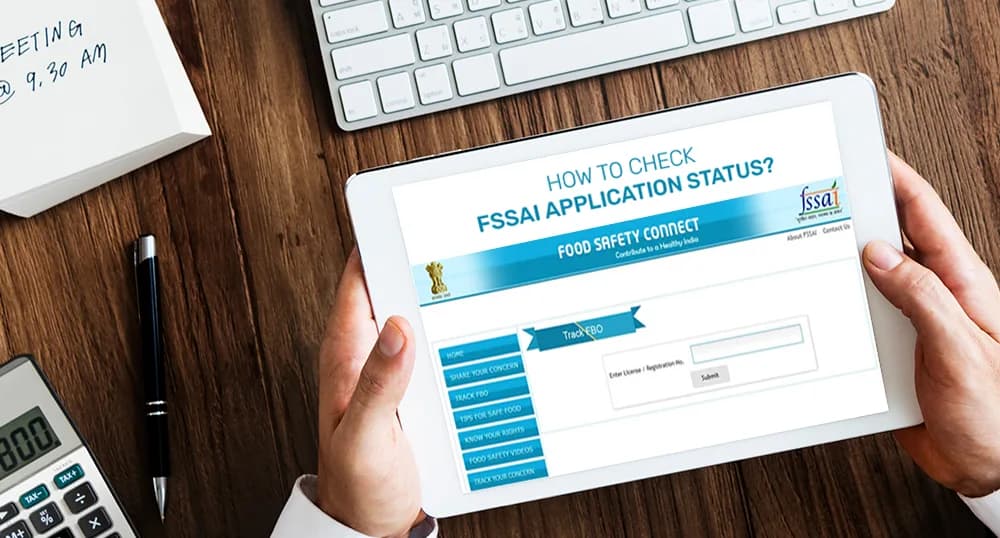
The first step is to visit the official website of the organisation where the application was submitted. Applicants should look for sections labelled Application Status, Track Application, Check Progress, or Application Tracking. After opening the appropriate section, they may need to enter an application reference number, registration ID, mobile number, or another identifying detail.
Once the required information has been entered, the system may display the latest available update. Some platforms also provide a downloadable acknowledgement or reference document. Applicants should always use official websites and avoid entering personal information into unfamiliar platforms.
Understanding Different Application Status Messages
Application tracking systems often use short messages to explain the progress of a request. Understanding these messages helps applicants avoid confusion and recognise whether any action is necessary.
1. Application Submitted
This message generally indicates that the application form has been successfully submitted through the relevant platform. It confirms that the system has received the request, although it does not necessarily mean that the information has been fully reviewed.
2. Under Review
An under-review status means that the organisation is examining the submitted information. During this stage, officials may check personal details, supporting documents, eligibility requirements, and other relevant information.
3. Document Verification Pending
This message indicates that some documents still need to be checked or verified. Applicants may need to wait for the organisation to complete the verification process or provide additional information if requested.
4. Application Approved
An approved status means that the application has successfully passed the required evaluation process. Depending on the service, applicants may receive an approval letter, certificate, confirmation message, or further instructions.
5. Application Rejected
A rejected status indicates that the request has not been accepted. Possible reasons include incomplete information, incorrect documents, eligibility problems, or failure to meet specific requirements. Applicants should check the official explanation before deciding what to do next.
Documents and Information Required for Tracking
Before using an application tracking system, it is helpful to keep important information ready. Most organisations require some basic details to identify an application and display its progress.
The most commonly requested information includes:
-
Application reference or acknowledgement number.
-
Registered mobile number or email address.
-
Applicant’s name and date of birth.
-
Registration or identification number, where applicable.
-
Login credentials for the official portal.
Not every platform requires all these details. Some systems allow tracking through a reference number alone, while others require applicants to sign in to their registered accounts.
Keeping these details organised can make future tracking easier. It is also important to protect personal information and never share passwords, verification codes, or confidential documents with unknown individuals.
Common Reasons Why Application Status Does Not Change
Sometimes applicants check their progress repeatedly but notice that the displayed information remains the same. This does not automatically mean that something is wrong. Different organisations follow different processing schedules, and some applications require additional time for verification.
One common reason is a high volume of applications. When an organisation receives many requests, reviewing every submission may take longer than expected. Another possibility is that the application requires manual verification, which can involve several departments or officials.
Technical problems can also affect status updates. A website may experience temporary maintenance, delayed data synchronisation, or server issues. In such situations, the actual application process may continue even though the online information does not immediately change.
If the status remains unchanged beyond the official processing period, applicants should contact the organisation through its authorised support channels.
How to Avoid Delays During the Application Process

Although applicants cannot control every part of an organisation’s review process, they can take several practical steps to reduce avoidable delays. Careful preparation before submission is particularly important because incorrect or incomplete information may result in additional verification requirements.
Applicants should read the instructions carefully before completing an application form. Every required field should contain accurate information, and uploaded documents should meet the specified format and size requirements. Names, dates, addresses, and contact details should also match the information provided in supporting records.
It is equally important to save the acknowledgement receipt after submission. This document may contain the reference number needed to know your application status later. Checking registered email accounts and mobile messages can also help applicants identify requests for additional information.
Finally, applicants should respond promptly whenever the organisation asks for clarification or supporting documents.
The Role of Digital Platforms in Application Tracking
Digital platforms have changed the way organisations manage applications and communicate with the public. Previously, individuals often had to visit offices, make telephone enquiries, or wait for physical letters to receive information about their requests. Online tracking systems have made many of these processes more convenient.
Modern platforms can automatically display application details, send notifications, and provide access to important documents. Some systems also include personalised dashboards where users can view multiple requests from a single account. These features reduce administrative effort and help organisations manage large numbers of applications.
The growing use of digital services also encourages transparency. Applicants can access information without depending entirely on in-person communication. However, the quality of these systems depends on accurate data, regular maintenance, and effective customer support.
As technology develops, application tracking is likely to become more accessible and user-friendly across different industries.
What to Do If Your Application Is Delayed
A delayed application can be frustrating, especially when the result is needed for an important purpose. However, repeatedly submitting the same application or making unnecessary changes may create additional complications.
The first step is to check the official processing timeline. Some applications require several working days, while others may take weeks or longer depending on their complexity. Applicants should compare the current waiting period with the timeline provided by the organisation.
If the expected period has passed, they should use the official helpdesk, contact number, email address, or grievance facility. Providing the application reference number can help the support team locate the request more efficiently.
When contacting customer support, applicants should explain the issue clearly and mention the date of submission. Keeping copies of previous communications can also be useful if further assistance is required.
Safety Tips When Checking Application Progress
Online application services often involve personal information, making digital safety an important consideration. Applicants should be careful about the websites they visit and the information they provide.
The following precautions can help protect personal details:
-
Use the official website or authorised mobile application.
-
Avoid unfamiliar links received through unsolicited messages.
-
Never share passwords or one-time verification codes.
-
Check website addresses carefully before entering information.
-
Avoid accessing sensitive accounts through public computers.
-
Keep application receipts and reference numbers secure.
Applicants should also remember that genuine organisations generally provide official communication channels for resolving application-related concerns. If a message demands unexpected payments or confidential information, it should be verified before taking any action.
How Application Tracking Benefits Students, Job Seekers, and Citizens
Application tracking is useful across several areas of everyday life. Students can monitor admission forms, scholarship requests, examination registrations, and educational certificates. This helps them understand whether their submissions have been accepted and whether additional information is required.
Job seekers can use tracking systems to follow recruitment applications. Depending on the employer, they may see updates such as application received, shortlisted, interview scheduled, or selection completed. These updates help candidates organise their job searches and prepare for possible next steps.
Citizens can also benefit from tracking government services, licences, certificates, and welfare-related requests. Instead of making repeated enquiries, they can access available progress information through official portals.
In each situation, knowing the current stage of an application supports better planning and reduces uncertainty. It also encourages individuals to maintain accurate records throughout the process.
Future of Online Application Status Services
The future of application tracking will likely involve more advanced digital technologies. Organisations are increasingly exploring automated notifications, artificial intelligence, integrated databases, and improved customer service systems to make administrative processes more efficient.
In the coming years, users may experience more personalised tracking dashboards that explain each processing stage in simple language. Automated systems could also identify incomplete submissions and notify applicants before minor errors become major problems.
Mobile-friendly platforms will remain important because many people prefer accessing services through smartphones. Better accessibility, multilingual support, and simpler navigation could make these systems easier for people with different levels of digital experience.
However, technological improvements must be supported by strong privacy protections and reliable information management. The primary purpose of these developments should be to make application services more transparent, secure, and convenient for everyone.
Conclusion
Application tracking has become an important part of modern digital services. It allows individuals to understand the progress of their requests, identify pending requirements, and stay informed without relying entirely on physical visits or repeated enquiries. From educational admissions and employment opportunities to government services and official documents, online tracking offers convenience and better communication.
Learning how to know your application status can help applicants manage their responsibilities more effectively. By using official platforms, keeping reference numbers safe, checking notifications regularly, and responding to verification requests on time, individuals can avoid many common application-related problems.
As digital technology continues to develop, application tracking systems will become increasingly useful in everyday life. Understanding how these platforms work will help people make informed decisions, follow their requests confidently, and navigate different online services with greater ease.