
Introduction
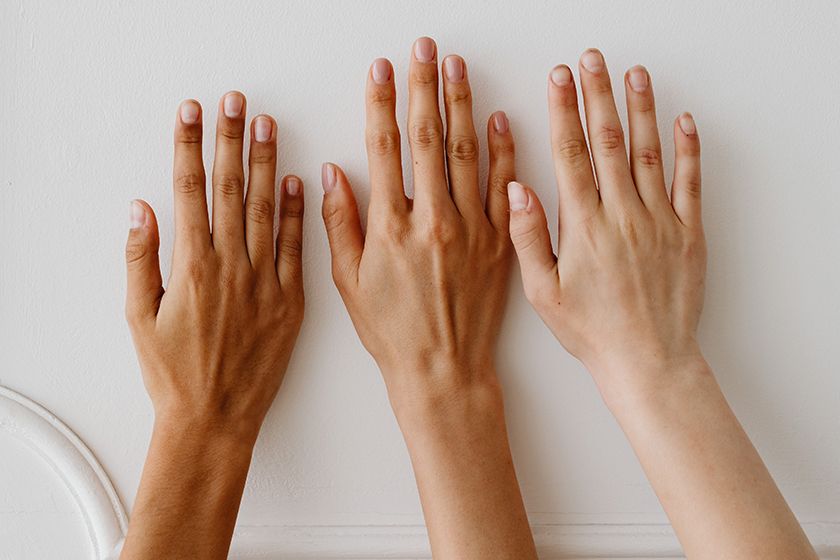
Understanding your skin tone can make everyday choices about clothing, makeup, accessories, and personal style much easier. Many people use the terms skin tone and skin undertone interchangeably, but they describe slightly different things. Your visible skin tone refers broadly to how light, medium, or deep your complexion appears, while your undertone describes the subtle color beneath the surface of your skin. Knowing both can help you understand which shades may complement your natural appearance.
If you have ever wondered how to know your skin tone, there are several simple methods you can try at home. You do not need expensive equipment or professional testing. Natural lighting, a clean face, and a little observation can provide useful clues. Since skin can look different depending on lighting, clothing, tanning, or makeup, it is helpful to use more than one method before reaching a conclusion.
What Is Skin Tone?
Skin tone generally refers to the visible color or depth of your complexion. It is commonly described using broad categories such as fair, light, medium, tan, deep, or dark. These descriptions are not universal standards, and different beauty brands may use different terminology when creating foundation or concealer shades.
Your skin tone can also change over time. Sun exposure may temporarily make the skin appear darker, while reduced exposure can cause it to return closer to its natural shade. Seasonal changes, skincare routines, and other factors can also influence how your complexion appears.
Therefore, when learning how to know your skin tone, it is useful to examine areas that receive less direct sun exposure rather than judging your complexion only from your face. The jawline, neck, or inner arm can sometimes provide a more consistent reference.
Skin Tone vs. Skin Undertone
Skin tone and undertone are related but different concepts. Tone describes the overall depth of your complexion, whereas undertone refers to the subtle hue beneath the surface.
Undertones are commonly grouped into three broad categories: warm, cool, and neutral. Some people may also notice an olive undertone, which can have a greenish or muted quality and does not always fit neatly into the traditional categories.
Two people can have a similar skin tone but completely different undertones. For example, two medium complexions may have one person with a warm undertone and another with a cool undertone. This difference can influence which foundation shades, clothing colors, and jewelry tones appear most harmonious.
Start by Looking in Natural Light
One of the easiest ways to determine your complexion is to examine your skin in natural daylight. Artificial lighting can have yellow, blue, or other color effects that make the skin appear different from its natural appearance.
Stand near a window during daylight and look at your face or jawline without heavy makeup. Avoid judging your complexion under strong direct sunlight because harsh light can make colors appear unusually bright.
A neutral daylight environment gives you a better starting point for identifying your general tone. If possible, compare your face with your neck and jawline rather than relying only on your cheeks, which may naturally have more redness.
Check Your Jawline and Neck
The jawline can be particularly useful when identifying skin tone because it provides a transition between the face and neck. The face may experience more sun exposure, skincare products, or redness than other areas.
Look at your jawline in natural light and compare it with your neck. Ask whether the skin appears generally light, medium, tan, or deep. You do not need to force your complexion into a specific category if it appears somewhere between two descriptions.
When considering how to know your skin tone, remember that these categories are simply practical descriptions rather than strict scientific classifications. The goal is to find shades that blend naturally with your complexion rather than assigning yourself a permanent label.
The Vein Test for Undertone
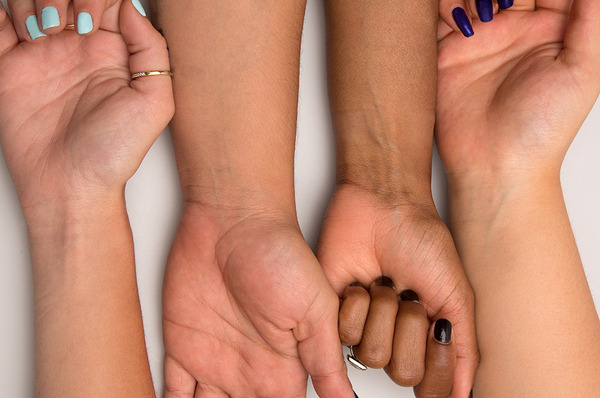
The vein test is a popular method for estimating undertone. Look at the veins on the inside of your wrist under natural light. If they appear predominantly blue or purple, you may have a cool undertone. If they look more greenish, you may have a warm undertone. If it is difficult to determine whether they look blue or green, you may have a neutral undertone.
This method is only a general guide. Vein color can be affected by skin depth, lighting, and individual differences, so it should not be treated as a definitive test.
If your result seems unclear, combine the vein test with other observations. Using several methods can give you a more reliable overall impression of your undertone.
Try the Jewelry Test
Another popular approach is to compare how different metal colors look against your skin. Place silver and gold jewelry near your face or wrist and observe which one appears more harmonious.
People with warm undertones often find that gold or yellow-toned metals complement their complexion, while cool undertones may appear especially harmonious with silver or white metals. Those with neutral undertones may find that both work well.
However, personal preference also matters. You may simply prefer one metal regardless of undertone. The purpose of this test is not to determine an absolute rule but to identify a possible pattern.
Use White and Cream Clothing
Clothing colors can provide another useful clue about undertones. Compare a bright white fabric with a cream or ivory fabric near your face in natural daylight.
If bright white appears particularly flattering, you may lean toward a cool undertone. If cream or ivory seems more harmonious, you may lean toward a warm undertone. If both look balanced, you may have a neutral undertone.
This test can be useful because the difference between white and cream is subtle but noticeable. Again, use it as one clue rather than the only method when learning how to know your skin tone.
Observe How Your Skin Reacts to the Sun
Your skin’s response to sunlight can sometimes provide another clue about undertone. Some people tend to tan relatively easily, while others may burn more quickly. However, sun response varies considerably between individuals and should not be used as a definitive way to determine undertone.
More importantly, regular sun exposure can alter the visible appearance of your skin. This means that the complexion you see after spending significant time outdoors may not represent your usual tone.
Sun protection is also important regardless of skin tone. Protecting the skin from excessive ultraviolet exposure helps maintain healthy-looking skin and reduces the risk of sun-related damage.
Foundation Matching
Foundation matching is one of the most practical reasons people want to understand their skin tone and undertone. A foundation should generally blend smoothly into the skin rather than creating an obvious line between the face and neck.
When testing foundation shades, the jawline is often more useful than the hand because the hand may have a different color from the face. Apply a small amount of a few nearby shades and allow them to sit briefly before comparing them in natural light.
A good match should appear to disappear into the skin. If a shade looks noticeably pink, yellow, orange, gray, or too dark compared with the surrounding skin, another option may be more suitable.
Consider Seasonal Changes
Your skin tone can change throughout the year. During periods of greater sun exposure, the skin may appear more tanned. During colder or less sunny months, it may appear lighter.
This does not necessarily mean your undertone has changed. Undertone is generally considered more stable than surface tone. Therefore, someone may need a slightly different foundation shade seasonally while continuing to use a similar undertone category.
If you regularly wear makeup, having two nearby foundation shades can sometimes be more practical than trying to use one shade throughout the entire year.
Why Lighting Can Be Misleading
Lighting is one of the biggest sources of confusion when identifying skin tone. Warm indoor bulbs can make skin appear more yellow or golden, while cool lighting can make it appear pinker or paler.
Camera filters and smartphone settings can also change how complexion appears. A photograph may therefore not represent your actual skin tone accurately.
When determining how to know your skin tone, natural daylight is generally a better reference than photographs or heavily colored indoor lighting. Comparing your skin under more than one lighting condition can also help you avoid choosing a shade based on an inaccurate visual impression.
Common Mistakes to Avoid
One common mistake is judging skin tone from the hands alone. Hands often receive different levels of sun exposure and may not match the face or neck.
Another mistake is testing colors over heavy makeup. Makeup can change the appearance of the skin and make undertone identification more difficult. A clean area of skin provides a better reference.
People may also assume that everyone fits perfectly into warm, cool, or neutral categories. In reality, undertones can be subtle, and some complexions may appear olive or balanced between categories.
The goal is not perfect classification. The goal is to understand your complexion well enough to make practical choices.
Using Your Skin Tone for Personal Style
Knowing your skin tone can help with more than foundation selection. Clothing colors, lipstick shades, hair colors, and accessories can all be considered in relation to complexion.
Warm undertones may complement earthy, golden, peach, coral, or warm shades, while cool undertones may work particularly well with blue, berry, pink, or jewel-inspired colors. Neutral undertones often provide flexibility across a broad range of shades.
These are guidelines rather than strict rules. Personal taste is equally important. A color that technically falls outside your typical palette may still look excellent and make you feel confident.
When Professional Help Can Be Useful
Home methods are convenient, but professional assistance can be helpful when you need a highly precise color match. Makeup professionals may use their experience and product knowledge to compare several shades and identify a suitable option.
This can be particularly useful when purchasing expensive makeup or when finding a foundation match has repeatedly been difficult.
Even when working with a professional, it is useful to understand your own complexion. Knowing whether you generally lean warm, cool, neutral, or olive can make future shopping decisions easier.
Conclusion
Learning how to know your skin tone does not require complicated equipment. You can begin by examining your complexion in natural daylight, checking your jawline and neck, observing vein color, comparing jewelry, and testing white and cream fabrics. These methods can provide useful clues about both your visible skin tone and underlying undertone.
It is important to remember that skin comes in an enormous range of shades, and no single classification system can describe every person perfectly. Lighting, tanning, skincare, and seasonal changes can also influence how your complexion appears.
The best approach is to combine several methods and focus on what helps you make practical choices. Whether you are selecting foundation, choosing clothing colors, or simply learning more about your natural complexion, understanding your skin tone can make personal styling more straightforward and enjoyable.