
Introduction
Knowing how do you know if you have a blood clot in your leg is important because deep vein thrombosis, commonly called DVT, can sometimes develop without obvious symptoms. A DVT occurs when a blood clot forms in a deep vein, usually in the leg. When symptoms do occur, they may include swelling, pain or tenderness, warmth, and changes in skin color. These signs can also occur with other conditions, so they cannot confirm a blood clot by themselves. The Centers for Disease Control and Prevention notes that about half of people with DVT have no symptoms, making awareness of risk factors and timely medical assessment especially important. If a blood clot breaks away and travels to the lungs, it can cause a pulmonary embolism, which requires immediate medical attention. This article explains common warning signs, risk factors, diagnostic testing, and situations in which urgent medical care is necessary.
What Is a Blood Clot in the Leg?
A blood clot in a deep vein of the leg is known as deep vein thrombosis, or DVT. Deep veins carry blood back toward the heart, and a clot can partially or completely interfere with normal blood flow. DVT most commonly occurs in the lower leg, thigh, or pelvis, although clots can develop in other deep veins as well.
When considering how do you know if you have a blood clot in your leg, it is important to understand that symptoms can vary considerably. Some people experience noticeable swelling and discomfort, while others have very few or no symptoms. This is one reason self-diagnosis is unreliable. A healthcare professional may need to assess your symptoms, risk factors, and circulation and arrange appropriate testing to determine whether a clot is present.
Common Symptoms of a Leg Blood Clot
Possible DVT symptoms usually affect one leg and may include swelling, pain or tenderness, warmth, and red, blue, or darkened skin around the affected area. Pain may occur in the calf or thigh and can sometimes feel like aching, cramping, or throbbing. Swelling may develop gradually or become noticeable relatively quickly.
If you are wondering how do you know if you have a blood clot in your leg, pay particular attention when several of these symptoms occur together, especially when they are unexplained or affect only one leg. However, symptoms do not prove that a clot is present. Muscle injuries, infections, inflammation of superficial veins, and other conditions can produce similar symptoms.
Swelling in One Leg
Swelling is one of the more recognizable possible signs of DVT. It commonly affects one leg rather than both and may involve the calf, ankle, or entire leg. The affected area may feel different from the other leg because of increased fluid and changes associated with impaired venous blood flow.
When considering how do you know if you have a blood clot in your leg, unexplained swelling deserves medical attention, particularly if it develops along with pain, tenderness, warmth, or skin discoloration. Swelling by itself has many possible causes, so it should not automatically be interpreted as a blood clot. A healthcare professional can determine whether further investigation is appropriate based on the complete picture.
Leg Pain or Tenderness
Pain or tenderness can be another possible symptom of DVT. It may occur in the calf or thigh and can sometimes feel like cramping or throbbing. Unlike pain caused by an obvious injury, DVT-related discomfort may appear without a clear explanation. NHS guidance identifies pain in one leg, particularly in the calf or thigh, as a symptom requiring prompt medical assessment when DVT is suspected.
If you are asking how do you know if you have a blood clot in your leg, do not rely on the exact type of pain to determine the cause. A pulled muscle, joint problem, nerve irritation, infection, or other condition can also cause leg pain. The important point is that unexplained pain combined with swelling or other DVT symptoms should be evaluated rather than ignored.
Warmth and Skin Color Changes
The skin over an affected area may feel warmer than usual. Redness or other discoloration can also occur. Depending on a person’s natural skin tone, color changes may be easier or harder to notice. NHS guidance describes red, blue, or darkened skin as possible DVT-related changes.
Warmth and discoloration are not specific to blood clots, however. Infections and inflammation can cause similar changes. Therefore, someone trying to understand how do you know if you have a blood clot in your leg should consider these signs as reasons for medical evaluation rather than as a way to confirm a diagnosis at home.
Can You Have a Blood Clot Without Symptoms?
Yes. One of the important facts about DVT is that it can occur without noticeable symptoms. The CDC reports that about half of people with DVT have no symptoms. This means the absence of pain or swelling does not completely rule out a clot.
This is particularly important for people who have recognized risk factors. Someone who has recently undergone major surgery or experienced prolonged immobility may have an increased risk even without obvious leg symptoms. If you have concerns about your personal risk, discussing them with a healthcare professional is more reliable than trying to identify a clot based only on how your leg feels.
Risk Factors for DVT
Certain circumstances increase the likelihood of developing a blood clot. These include prolonged periods of limited movement, recent surgery or hospitalization, previous DVT, some cancers and chronic illnesses, older age, pregnancy or the period shortly after giving birth, certain estrogen-containing medicines, and some inherited or acquired conditions that make blood clotting more likely.
Long-distance travel can also increase risk when sitting for an extended period, particularly when other risk factors are present. Understanding these factors can help explain why healthcare professionals ask about recent travel, operations, illness, medications, pregnancy, mobility, and previous clots when evaluating possible DVT.
When Leg Symptoms Need Medical Attention
Possible DVT symptoms should not be ignored. If you develop unexplained swelling, pain or tenderness, warmth, or skin discoloration in one leg, seek medical advice promptly. The CDC recommends seeking medical care when signs or symptoms of DVT occur because diagnosis requires appropriate medical testing.
When thinking about how do you know if you have a blood clot in your leg, the safest approach is not to wait for symptoms to become severe. Early medical assessment can help distinguish DVT from other causes of leg discomfort and determine whether treatment is necessary. A healthcare professional may consider your symptoms alongside your individual risk factors before deciding which tests are appropriate.
How Doctors Diagnose a Blood Clot
Symptoms alone cannot reliably diagnose DVT. Several conditions can resemble a blood clot, including muscle injury, cellulitis, and inflammation of superficial veins. Doctors may therefore use a combination of medical history, physical examination, risk assessment, blood tests in some circumstances, and imaging.
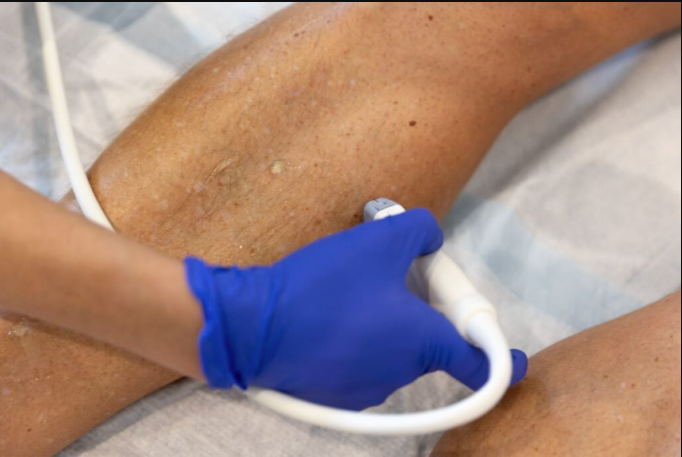
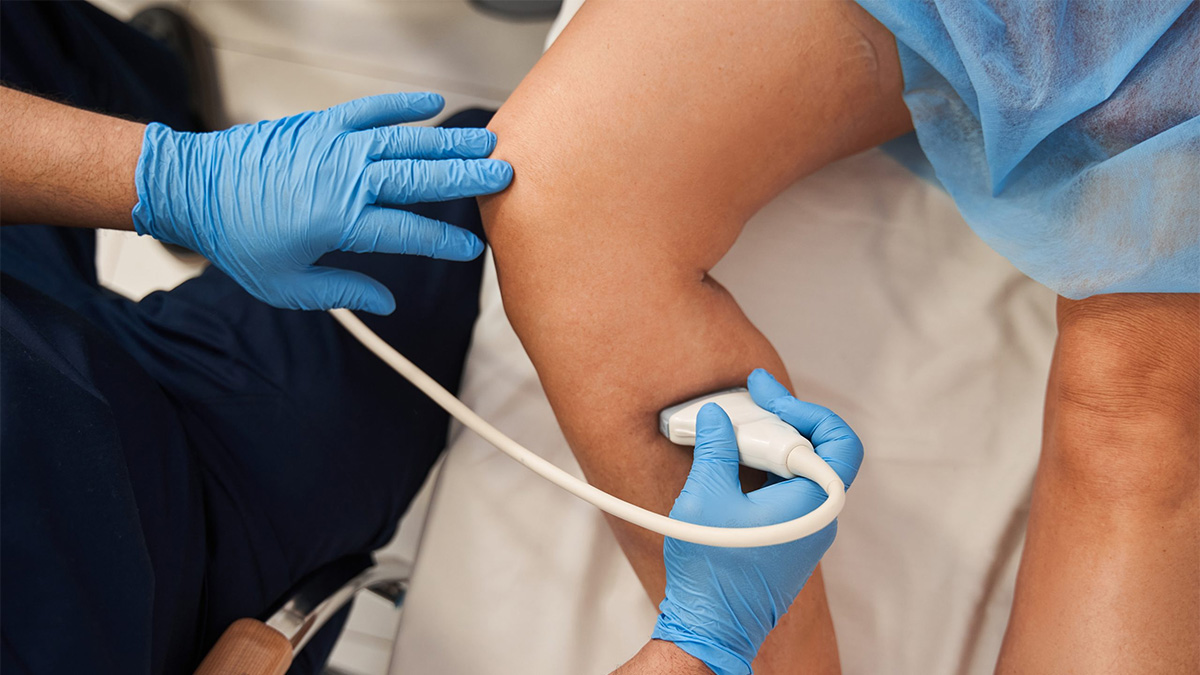
Duplex or compression ultrasound is commonly used to examine blood flow through the veins and look for evidence of a clot. Depending on the circumstances, additional testing may be needed. This is why home methods, pressing on the leg, comparing leg size, or trying to judge the clot from symptoms cannot replace professional diagnosis.
Blood Clot or Muscle Injury?
Leg pain after exercise or physical activity is often related to muscles, tendons, joints, or other structures rather than DVT. An obvious injury can provide a reasonable explanation for discomfort, but it does not completely eliminate the possibility of another problem.
If you are considering how do you know if you have a blood clot in your leg, look at the overall pattern rather than one symptom. Unexplained one-sided swelling, warmth, discoloration, and tenderness are more concerning than ordinary muscle soreness alone. Even so, only appropriate medical assessment can determine the actual cause. If symptoms are unusual, worsening, or accompanied by risk factors for DVT, professional advice is appropriate.
What Is a Pulmonary Embolism?
A pulmonary embolism, or PE, can occur when part of a blood clot travels through the bloodstream to the lungs. PE can be life-threatening and requires immediate medical attention.
Possible symptoms include sudden difficulty breathing, chest pain that may become worse with deep breathing or coughing, coughing up blood, a fast or irregular heartbeat, lightheadedness, or fainting. Importantly, a PE can occur even when a person has not noticed symptoms of DVT in the leg.
Emergency Warning Signs
If someone has possible DVT symptoms and then develops sudden shortness of breath, chest pain, coughing up blood, severe breathing difficulty, a very rapid heartbeat, severe lightheadedness, or fainting, emergency medical help is required. These symptoms can indicate a pulmonary embolism or another serious medical emergency.
Do not try to diagnose or manage a suspected pulmonary embolism at home. Emergency assessment is important because a pulmonary embolism can become life-threatening if treatment is delayed. The combination of leg symptoms and sudden breathing or chest symptoms should therefore be treated as an emergency.
Can You Check for a Blood Clot at Home?
There is no reliable home examination that can confirm DVT. Looking for swelling, comparing the appearance of both legs, or noticing warmth and tenderness may help you recognize that something is wrong, but these observations cannot establish whether a clot exists.
This is a key point when searching how do you know if you have a blood clot in your leg. Avoid relying on online symptom checklists as a substitute for diagnosis. Some people with DVT have no symptoms, while many non-clot conditions can produce similar symptoms. Medical testing is needed to determine whether a clot is actually present.
Treatment for DVT
If DVT is diagnosed, treatment is determined by a healthcare professional according to the person’s circumstances. Blood-thinning medicines, also called anticoagulants, are commonly used to prevent the clot from growing and reduce the risk of another clot.
Treatment varies depending on factors such as the location and extent of the clot, medical history, bleeding risk, and other health conditions. Some people may require treatment for several months, while more complicated cases can require additional interventions. It is important not to start, stop, or change blood-thinning medication without medical guidance.
Reducing the Risk of Blood Clots
Risk reduction depends on individual circumstances. Staying physically active, avoiding prolonged periods of immobility when possible, following medical advice after surgery, and discussing personal risk factors with a healthcare professional can be helpful. During long journeys, the CDC recommends getting up and walking periodically and moving the legs while seated.
People with particular risk factors may receive additional preventive recommendations from their healthcare provider. Prevention strategies are not identical for everyone, so personal medical history matters. Someone who has previously experienced DVT, for example, may have different preventive needs from someone without a history of blood clots.
Why Early Assessment Matters
DVT can be serious because a clot can travel to the lungs and cause pulmonary embolism. At the same time, many symptoms associated with DVT have other possible explanations. This combination makes timely professional evaluation important.
Understanding how do you know if you have a blood clot in your leg should therefore focus on recognizing warning signs rather than attempting self-diagnosis. One-sided swelling, unexplained pain or tenderness, warmth, and skin discoloration are reasons to seek medical advice, especially when risk factors are present. A clinician can determine whether testing is needed and identify the appropriate treatment if a clot is found.
Conclusion
Understanding how do you know if you have a blood clot in your leg starts with recognizing possible DVT symptoms, including swelling, pain or tenderness, warmth, and changes in skin color. These symptoms are important warning signs, but they do not prove that a clot is present. Some people with DVT have no symptoms, and several other conditions can produce similar signs.
If you develop unexplained symptoms that could indicate DVT, seek medical assessment promptly rather than relying on a home test. Doctors can use appropriate examinations and tests, including ultrasound, to determine whether a clot exists. If symptoms such as sudden difficulty breathing, chest pain, coughing up blood, severe dizziness, or fainting occur, seek emergency medical care immediately because these may indicate a pulmonary embolism.