
Introduction
A vehicle is an important part of everyday life, whether it is used for travelling to work, managing business activities, or enjoying personal journeys. However, owning a vehicle involves more than simply driving it. Every vehicle has important information connected to its registration, ownership, insurance, fitness certification, and legal status. Understanding these details helps owners maintain accurate records and avoid unnecessary complications.
Today, digital services have made it easier for people to access vehicle-related information without visiting a transport department office for every small requirement. From checking registration information to reviewing insurance validity, several details can be accessed through official online platforms. Knowing how to find and understand these records can make vehicle ownership more convenient, transparent, and organised.
What Does Know Your Vehicle Details Mean?
The phrase know your vehicle details refers to the process of finding important information associated with a registered vehicle. These details generally include the registration number, vehicle category, manufacturer, model, registration date, fuel type, and registration authority. Depending on the information available and the verification requirements, some platforms may also display insurance and fitness-related information.
In India, vehicle registration information is maintained through the transport department’s digital systems. These records help establish that a vehicle has been registered with the appropriate authority. They are also useful when someone wants to purchase a second-hand vehicle, verify registration information, or check whether essential documents remain valid.
Having access to accurate vehicle information makes it easier to manage responsibilities as an owner. It can also help identify differences between the information provided by a seller and the details available in official records.
Why Is Vehicle Information Important?
Vehicle information plays an important role in maintaining transparency and ensuring responsible ownership. Every registered vehicle has specific records that help identify it and connect it with the relevant registration authority. These records become particularly important during insurance claims, vehicle transfers, traffic-related procedures, and resale transactions.
For example, when purchasing a used car or motorcycle, checking its registration information can help buyers confirm whether the basic details match the seller’s claims. Information such as the manufacturing company, vehicle category, and registration status can provide useful background before making a financial decision.
Vehicle information is also valuable for existing owners. It helps them keep track of important documents, understand registration requirements, and identify when renewals may be necessary. Regularly reviewing these records can reduce confusion and make vehicle management more efficient.
How to Check Your Vehicle Details Online in India
India offers digital facilities that make checking registered vehicle information more accessible. Vehicle owners can use the official Parivahan portal or other authorised government services to access available registration-related information.
The general process involves the following steps:
-
Open the official Parivahan Sewa website.
-
Navigate to the vehicle-related information or vehicle registration services section.
-
Select the appropriate service.
-
Enter the required registration number.
-
Complete the verification process if requested.
-
Review the information displayed on the screen.
The available information may vary depending on the vehicle, registration authority, and privacy restrictions. Some personal information may not be publicly accessible.
Using official government platforms is important because third-party websites may display incomplete, outdated, or inaccurate information. Owners should always verify important details through authorised sources before making legal or financial decisions.
Important Details You Can Find About Your Vehicle
A vehicle registration record can contain several useful details. Understanding what each field means helps owners interpret the available information correctly.
1. Vehicle Registration Number
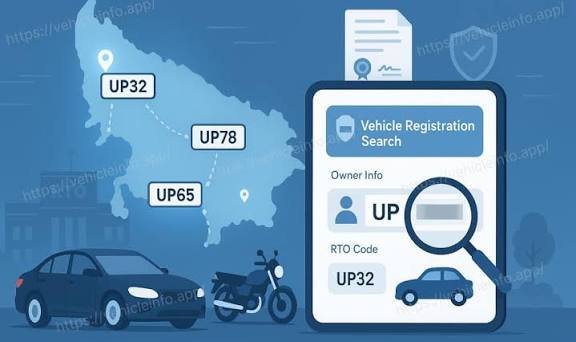
The registration number is one of the most important identifiers associated with a vehicle. It is issued by the relevant Regional Transport Office and displayed on the vehicle’s number plate.
In India, registration numbers generally contain a state or union territory code, an RTO identifier, a series, and a unique numerical combination. This structure helps identify the registration jurisdiction and distinguish one vehicle from another.
2. Vehicle Owner Information
Registration records connect a vehicle with its registered owner. Depending on the platform and applicable privacy rules, limited ownership information may be available through public searches.
This information is particularly useful when verifying a second-hand vehicle. However, personal details are protected, and users should not expect unrestricted access to an owner’s private information.
3. Manufacturer and Model
The manufacturer and model information identifies the company responsible for producing the vehicle and its particular model or variant. This information helps owners confirm whether the vehicle matches its registration documents.
It can also be useful when purchasing spare parts, arranging maintenance, or comparing insurance policies.
4. Fuel Type
Fuel information identifies the energy source used by a vehicle. Common categories include petrol, diesel, compressed natural gas, electric power, and other approved fuel systems.
Knowing the registered fuel type is important because it can affect insurance coverage, maintenance requirements, environmental compliance, and applicable transport regulations.
5. Registration Date
The registration date indicates when the vehicle was officially registered with the transport authority. This information can help owners understand the vehicle’s registration history and determine when certain renewal requirements may apply.
For used-vehicle buyers, registration dates also provide useful information when comparing a vehicle’s claimed age with its official records.
Understanding the Parivahan Portal
The Parivahan portal is an important digital initiative of the Ministry of Road Transport and Highways in India. It provides access to several transport-related services through an online platform.
Users can explore different facilities connected with driving licences, vehicle registration, permits, and other transport services. The portal aims to reduce dependence on physical paperwork and make government services more accessible.
Vehicle owners can use the platform to explore registration-related services and check available records. It is particularly useful for people who need information about vehicle documentation but cannot easily visit their local transport office.
However, not every service is available for every vehicle or registration authority. Some requests may require additional verification or an application through the relevant RTO.
How to Check Vehicle Insurance Details
Insurance is an essential requirement for motor vehicle owners in India. A valid third-party insurance policy is generally mandatory for vehicles used on public roads.
Checking insurance information helps owners understand whether their coverage remains active. It is also important when renewing a policy or preparing documents after an accident.
Vehicle owners should review their insurance certificate for details such as:
-
Policy number and insurance provider.
-
Policy commencement date.
-
Policy expiry date.
-
Type of insurance coverage.
-
Insured vehicle information.
-
Terms, exclusions, and applicable conditions.
Insurance information may also be available through authorised digital services. Owners should verify the policy directly with their insurance provider whenever there is uncertainty about coverage.
Maintaining valid insurance protects vehicle owners against certain financial liabilities and helps them meet legal requirements.
How to Verify Vehicle Details Before Buying a Used Vehicle
Purchasing a second-hand vehicle requires careful research. While a vehicle may appear attractive from the outside, its documentation and registration history deserve equal attention.
Before completing a purchase, buyers should compare the registration certificate with the vehicle’s actual details. The registration number, manufacturer, model, fuel type, and chassis information should match the available documents.
It is also important to check whether the vehicle has valid insurance and a pollution under control certificate, where applicable. Buyers should ask about outstanding loans, pending challans, and any restrictions that could affect the transfer of ownership.
A physical inspection by a qualified mechanic is also recommended. Digital records can confirm certain registration details, but they cannot establish the complete mechanical condition of a vehicle.
Careful verification reduces the possibility of unexpected expenses and documentation-related problems after purchasing a used car or motorcycle.
What Is a Vehicle Registration Certificate?
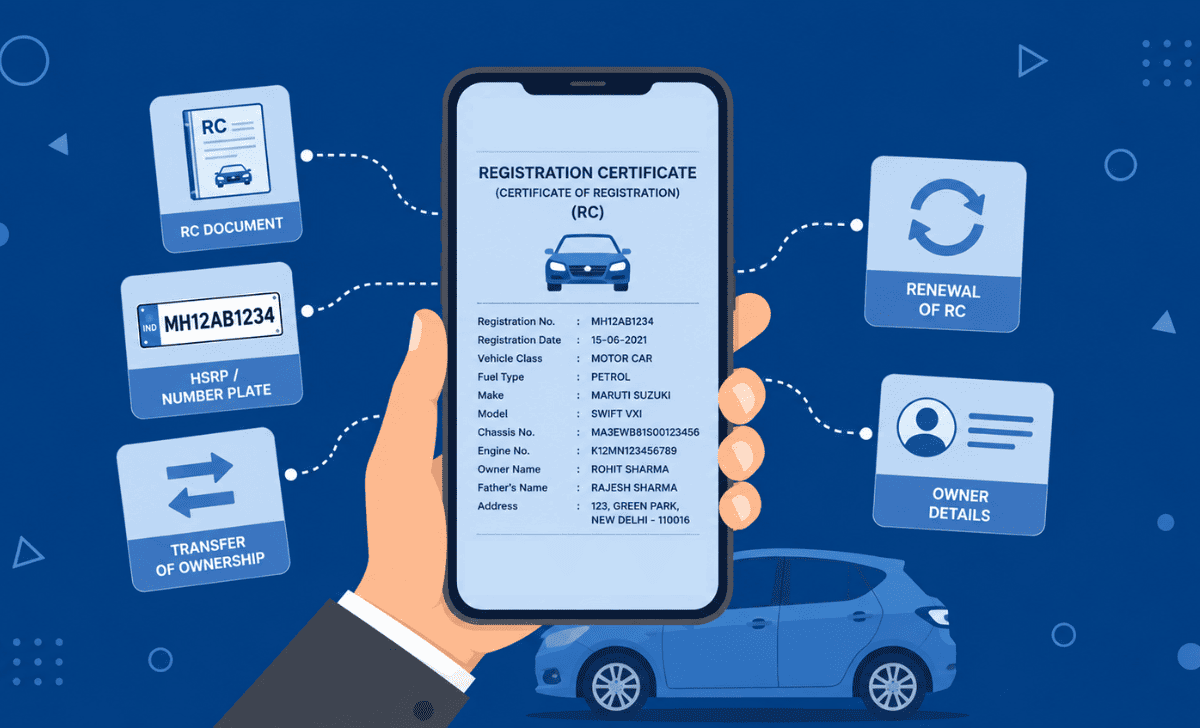
A Registration Certificate, commonly known as an RC, is an official document that establishes the registration of a motor vehicle with the transport authority.
It contains important information such as the registration number, vehicle classification, manufacturer, model, fuel type, and other relevant particulars. The RC serves as an important document during vehicle inspections, ownership transfers, and various transport-related procedures.
In India, digital versions of certain vehicle documents can be accessed through authorised platforms such as DigiLocker and the mParivahan application, subject to availability and applicable rules.
Vehicle owners should ensure that their registration information remains accurate. If there is an error in the recorded information, they should contact the appropriate RTO to understand the correction procedure.
Common Reasons to Check Vehicle Information
There are several situations in which checking registration information becomes useful. Vehicle owners do not need to wait until they encounter a problem before reviewing their records.
Some common reasons include:
Buying a Used Vehicle: Buyers can compare the seller’s information with official registration records before completing a transaction.
Selling a Vehicle: Sellers can ensure that registration details are accurate and understand the documentation needed for ownership transfer.
Checking Insurance: Owners can review available insurance information and avoid overlooking policy renewal dates.
Managing Legal Requirements: Registration and documentation checks help owners remain aware of applicable transport requirements.
Verifying Vehicle Identity: Registration details can help confirm whether a vehicle matches its official records.
These situations demonstrate why regularly reviewing vehicle information is a practical habit for responsible vehicle ownership.
Digital Applications for Vehicle Information
Mobile applications have made accessing transport-related services more convenient. Instead of depending entirely on physical documents, users can explore authorised digital facilities using smartphones.
The mParivahan application is one example of a government-supported service that provides access to vehicle-related information and selected transport facilities. DigiLocker also allows eligible users to access and store certain official digital documents.
These services are useful for people who travel frequently or prefer keeping important records available digitally. However, users should download applications from trusted sources and avoid entering sensitive information into unknown platforms.
Digital documents should be accessed and presented according to the applicable government rules. Keeping the original documents and maintaining secure digital copies can provide additional convenience.
Common Problems While Checking Vehicle Details
Although online vehicle information services are convenient, users may occasionally experience technical or information-related problems.
One common issue is entering an incorrect registration number. Even a small typing mistake can prevent the system from displaying the expected information. Users should carefully check the registration number before submitting a request.
Another problem occurs when older vehicle records are not fully updated in the digital database. In such cases, contacting the relevant RTO may be necessary.
Website maintenance, internet connectivity problems, and verification requirements can also affect access. Users should try again later if the platform is temporarily unavailable.
If the information displayed does not match the Registration Certificate, owners should not ignore the difference. They should contact the appropriate transport authority and follow the official correction process.
Tips for Keeping Your Vehicle Records Updated
Maintaining organised vehicle documentation can save time and reduce complications. Vehicle owners should develop a simple routine for checking their important records.
First, keep the Registration Certificate and insurance information accessible. Review the expiry dates of insurance and pollution certificates to avoid missing necessary renewals.
Second, update the relevant transport records whenever ownership or other registration-related information changes. When selling a vehicle, make sure the ownership transfer process is completed through the appropriate authority.
Third, keep copies of important documents in a secure location. Digital storage can be convenient, but sensitive information should be protected with suitable account security.
Finally, rely on authorised government services and recognised insurance providers when verifying information. These habits can make vehicle ownership more organised and help prevent avoidable documentation issues.
Conclusion
Understanding vehicle registration and documentation is an essential part of responsible vehicle ownership. From checking registration numbers and manufacturer information to reviewing insurance and ownership records, accurate information helps owners make better decisions.
Digital platforms such as Parivahan, mParivahan, and DigiLocker have made several transport-related services easier to access. They reduce the need for unnecessary office visits and help people manage important records more conveniently.
Learning how to know your vehicle details can be useful when purchasing a second-hand vehicle, renewing insurance, transferring ownership, or simply maintaining personal records. By using authorised platforms, checking documents regularly, and keeping information updated, vehicle owners can enjoy a more transparent and organised ownership experience.